

Have you ever wondered which lemon tree can fill your garden with the most juicy fruit? If you’re dreaming of a bountiful harvest, choosing the right variety is key. Imagine stepping outside to pick fresh lemons for your favorite recipes or refreshing drinks, all thanks to your thriving lemon tree.
Key Takeaways
- Choose the Right Variety: The Eureka and Lisbon lemon trees are top choices for heavy fruit production, while the Meyer lemon tree offers a unique flavor with a slightly lower yield.
- Ideal Growing Conditions: Lemon trees thrive in warm, sunny climates with temperatures between 70°F and 85°F, and require well-draining soil to prevent root rot.
- Effective Watering and Fertilization: Regular deep watering (1-1.5 inches per week) and fertilizing every 4-6 weeks with a balanced fertilizer high in potassium can significantly enhance fruit yield.
- Pruning for Productivity: Prune lemon trees annually to remove dead or crowded branches, which improves air circulation and sunlight penetration, ultimately boosting fruit production.
- Monitor Pests and Diseases: Regularly check for pests like aphids and spider mites and maintain good drainage to prevent diseases, ensuring a healthier and more productive lemon tree.
- Utilize Proper Soil pH: Maintaining soil pH levels between 5.5 and 6.5 and incorporating organic matter can optimize nutrient availability for better growth and fruit output.
Overview of Lemon Trees
Lemon trees are popular choices for home gardens due to their fragrant blossoms and delicious fruit. You can find various varieties of lemon trees, each with distinct characteristics that affect fruit production.
Common Varieties
- Eureka Lemon Tree
The Eureka lemon tree produces a large quantity of fruit year-round. It’s known for its juicy, tangy lemons, making it a favorite among many gardeners. - Lisbon Lemon Tree
The Lisbon lemon tree thrives in warm climates and produces abundant fruit. Its lemons have a smooth skin and a strong flavor, perfect for culinary uses. - Meyer Lemon Tree
The Meyer lemon tree, a hybrid of a lemon and a mandarin, delivers sweeter fruits with a thinner skin. While it might produce slightly less fruit, its unique flavor appeals to many home cooks.
Growing Conditions
Growing conditions significantly impact lemon tree productivity. Here are some key factors:
- Sunlight: Lemon trees need full sunlight for at least 8 hours each day. Position your tree in a location that receives ample sunlight.
- Soil: Well-draining soil is crucial. A sandy or loamy soil mix is ideal for preventing root rot.
- Watering: Regular watering is vital during the growing season but avoid waterlogging the roots. Deep watering every 1-2 weeks is often sufficient.
Fertilization
You should fertilize your lemon trees during the growing season to optimize fruit production. Use a balanced fertilizer every 4-6 weeks. Look for fertilizers high in potassium, which supports fruit development.
Pruning
Regular pruning encourages a healthy structure. In late winter, remove dead or overcrowded branches. This practice improves air circulation and sunlight exposure, promoting overall fruit yield.
Pests and Diseases
Lemon trees can attract pests like aphids and spider mites. Monitor your tree regularly. If you notice any infestations, use insecticidal soaps or natural predators to control them. Additionally, preventing diseases like root rot is essential. Maintain good drainage and avoid overwatering.
By taking proper care of your lemon trees, you set the stage for a generous harvest of fresh, flavorful lemons.
Factors Affecting Fruit Production
Several key factors impact the fruit production of lemon trees. Understanding these factors helps maximize your harvest.
Recommended Products

COMPLETE 3-IN-1 CITRUS NUTRITION KIT - Everything Your Trees Need Professional-grade fertilizer system includes slow-release NPK granules (6-month supply), liquid micronutrient concentrate (makes 32oz), and calcium supplement (makes 32oz). Specially formulated for lemon, orange, lime, grapefruit, and all citrus varieties in containers and pots.

Let our professionally formulated plant food help your citrus tree grow healthy, strong AND abundantly producing

Essentials for Fruit Production- With a balanced NPK of 6-3-3 we made sure to pack this liquid plant food with all the important macronutrients such as nitrogen, phosphorus, and potassium plus micronutrients like zinc and manganese
Climate Requirements
Lemon trees thrive in warm, subtropical to tropical climates. Temperatures between 70°F and 85°F (21°C to 29°C) promote optimal growth. While lemon trees can tolerate a slight dip to 55°F (13°C), prolonged exposure to colder temperatures can hinder fruit set. Additionally, lemon trees need around 8 to 12 hours of sunlight daily for peak production. If you live in regions with cooler climates, consider growing your lemon tree in a pot to move it indoors during colder months.
Soil Conditions
Well-draining soil is crucial for lemon trees. Soil pH levels between 5.5 and 6.5 work best for healthy growth. Sandy loam or loamy soils provide excellent drainage and aeration. It’s beneficial to mix organic matter, such as compost, into the soil to improve nutrient availability. Regularly checking soil moisture levels ensures that the tree receives adequate water without becoming waterlogged, which can lead to root rot. For container-grown lemon trees, choose a quality potting mix designed for citrus plants.
Popular Lemon Tree Varieties
Selecting the right lemon tree variety impacts your harvest. Explore the most popular varieties below, highlighting their unique traits and fruit production.
Eureka Lemon Tree
Eureka lemon trees produce abundant fruit year-round. These trees bear medium to large, juicy lemons with a tart flavor. Eureka lemons have a thick, rough skin and often yield more fruit than other varieties. They thrive in full sunlight and well-draining soil. Regular watering ensures good fruit production. Pruning once a year promotes healthy growth and maximizes lemon yield.
Lisbon Lemon Tree
Lisbon lemon trees are known for high fruit output. They produce large, oval-shaped lemons with a strong, aromatic flavor. This variety is slightly less thorny than Eureka, making harvest easier. Lisbon lemons flourish in warm climates with plenty of sunshine. Fertile, sandy loam soil helps these trees thrive. Watering deeply but infrequently encourages deep root growth, leading to more fruit.
Meyer Lemon Tree
Meyer lemon trees stand out for their sweet, less acidic fruit. These trees generally produce smaller, rounder lemons with smooth skin. The Meyer lemon thrives in pots, making it ideal for smaller spaces or cooler areas. Provide protection from frost. Meyer lemons prefer slightly acidic, well-draining soil; consider using organic compost for better growth. Regular pruning helps maintain shape and boosts fruit production.
Best Practices for Maximizing Yield
To maximize the yield of your lemon trees, implement specific practices that enhance growth and fruit production. Focus on proper pruning, fertilization, and irrigation techniques to encourage healthy and abundant harvests.
Recommended Products
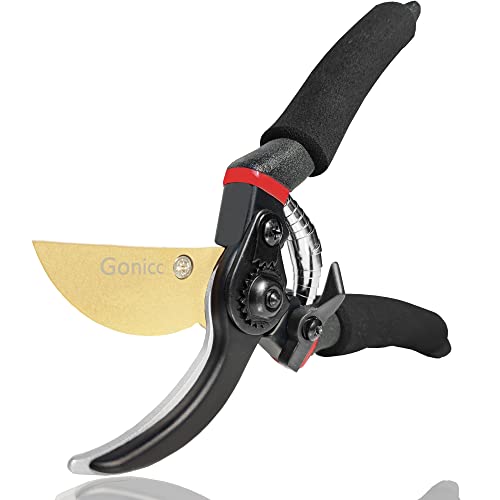
Drop-forged construction delivers exceptional durability and sturdiness for long-term heavy garden use.

CLEAN CUTS FOR LIVE GROWTH: Bypass blade design is ideal for pruning delicate flower stems and green growth, helping reduce crushing and plant damage while cutting stems and small branches up to 5/8” in diameter

LONG-LASTING SHARPNESS: Japanese SK5 bypass blade with titanium coating is tested through 5,000 cuts to maintain a sharp edge and deliver clean, consistent cuts on live stems and branches
Pruning Techniques
Pruning lemon trees fosters healthy growth and maximizes fruit yield. Start by removing dead or diseased branches, which can drain nutrients. Thin out overcrowded branches to allow light penetration and air circulation, promoting better fruit development. Aim for a vase-like shape, where the center of the tree remains open.
Prune during late winter or early spring before new growth begins. Cut back growth by 20% to 30% for established trees. Use clean, sharp pruning shears to reduce stress on the plant and prevent disease spread. Regular, timely pruning leads to increased fruit set and easier harvests.
Fertilization and Irrigation
Fertilization plays a crucial role in supporting lemon tree productivity. Use a balanced fertilizer high in nitrogen, phosphorus, and potassium. Apply this in early spring and again in late summer, following the manufacturer’s suggested rates. Regular feeding encourages robust growth and improves fruit quality.
Irrigation must be managed carefully to maintain soil moisture. Water deeply and infrequently, aiming for about 1 to 1.5 inches per week, adjusting based on weather conditions. Ensure the soil remains consistently moist but not waterlogged. Drip irrigation systems help deliver water directly to the roots, enhancing absorption efficiency while minimizing disease risks.
By following these best practices for pruning, fertilization, and irrigation, you create an environment that nurtures lemon trees and boosts their fruit production.
Conclusion
Choosing the right lemon tree variety is key to enjoying a bountiful harvest. By understanding the unique needs of each type you can create the perfect environment for your tree to thrive.
With proper care and attention to factors like sunlight, soil quality, and watering practices you’ll set yourself up for success. Regular pruning and fertilization will help keep your tree healthy and productive.
So whether you opt for the year-round yield of the Eureka or the sweet flavor of the Meyer lemon you’re sure to enjoy the fruits of your labor. Happy gardening and may your lemon tree flourish!
Frequently Asked Questions
What are the best varieties of lemon trees to grow?
The best varieties of lemon trees include Eureka, Lisbon, and Meyer. Eureka lemons produce fruit year-round with a tart flavor, while Lisbon lemons are larger, oval-shaped, and have a strong taste. Meyer lemons are sweeter and less acidic, making them ideal for smaller spaces or cooler climates.
How much sunlight do lemon trees need?
Lemon trees require 8 to 12 hours of sunlight daily to thrive. They grow best in warm, subtropical to tropical climates, with optimal temperatures between 70°F and 85°F (21°C to 29°C).
What type of soil is best for lemon trees?
Lemon trees prefer well-draining soil with a pH level between 5.5 and 6.5. Incorporating organic matter helps enhance nutrient availability, ensuring healthy growth and fruit production.
How often should I water my lemon tree?
Water lemon trees deeply but infrequently to maintain consistent soil moisture without waterlogging. Regularly monitoring soil moisture is key to preventing issues like root rot.
When should I prune my lemon trees?
Prune lemon trees in late winter or early spring to promote healthy growth. Aim for a 20% to 30% reduction in growth for established trees by removing dead or overcrowded branches.
How can I maximize lemon tree yield?
To maximize yield, focus on proper pruning, fertilization, and irrigation. Use a balanced fertilizer in early spring and late summer, and prune to improve light penetration and air circulation around the tree.
What climate is ideal for lemon trees?
Lemon trees thrive in warm, subtropical to tropical climates. They prefer temperatures between 70°F and 85°F (21°C to 29°C) and may need to be brought indoors in cooler regions.
How can I protect my lemon tree from pests and diseases?
Regularly monitor your lemon tree for signs of pests and diseases. Maintaining proper watering, fertilization, and pruning practices can also help keep the tree healthy, preventing infestations.
