

Are your citrus trees lush and green but still not producing fruit? You’re not alone. Many gardeners face this frustrating issue, wondering what went wrong after putting in so much effort. It can be disheartening to nurture your plants only to find they’re not delivering the sweet rewards you expected.
Key Takeaways
- Pollination Importance: Citrus trees require adequate pollination, which can be enhanced by planting flowers nearby, hand-pollinating blooms, or having multiple trees for cross-pollination.
- Soil Quality Matters: Well-draining, nutrient-rich soil is crucial for fruit production. Regular soil tests and amendments like compost can improve conditions.
- Environmental Factors: Temperature extremes and insufficient sunlight can hinder fruiting. Citrus trees thrive between 60°F and 75°F and need 6-8 hours of sun daily.
- Nutrient Management: Regular fertilization with balanced fertilizers and addressing common nutrient deficiencies (like nitrogen, iron, magnesium, and zinc) is essential for healthy growth and fruiting.
- Pest and Disease Awareness: Monitor for pests (e.g., aphids, spider mites) and diseases (e.g., citrus greening, root rot) to maintain tree health and prevent fruit production decline.
- Proper Care Techniques: Implement effective pruning and fertilization schedules to promote airflow and nutrient availability, ensuring robust citrus trees and a fruitful harvest.
Common Reasons For Citrus Trees Not Producing Fruit
Understanding why your citrus trees aren’t producing fruit can help you address the problem effectively. Several factors can contribute to this issue.
Insufficient Pollination
Insufficient pollination often affects fruit production. Citrus trees rely on wind and insects for pollination. Lack of these can result in fewer fruits. To improve pollination:
- Introduce pollinators like bees by planting flowers near your trees.
- Hand-pollinate flowers using a small brush to transfer pollen from one bloom to another during peak blooming.
- Ensure multiple trees are planted nearby, as cross-pollination can enhance fruit set.
Poor Soil Conditions
Poor soil conditions can hinder fruit development. Citrus trees prefer well-draining, sandy soils rich in nutrients. If the soil lacks organic matter or has poor drainage, you may encounter problems. To improve soil conditions:
- Test soil pH levels; they should range between 6.0 and 7.5.
- Amend soil with compost or well-rotted manure to increase nutrients and improve drainage.
- Avoid heavy clay soils and consider planting in raised beds if necessary.
- Water deeply once a week during dry spells, ensuring the soil remains moist but not soggy.
- Monitor rainfall and adjust your watering schedule accordingly.
- Mulch around the base to retain moisture and regulate soil temperature.
Environmental Factors Impacting Fruit Production
Environmental factors play a crucial role in the fruit production of citrus trees. Understanding these factors can help you identify issues that may be affecting your plants.
Recommended Products

BETTER SOLUTION FOR DOING ORGANIC GARDENING:If you are doing organic gardening, or just want to reduce pesticide use, Remiawy shrub winter covers are the better choice for you. Reusable season after season,this quality winter shrub cover is made from tear-proof and breathable fabric. The material allows air and moisture to reach plants. Remiawy plant covers for animal protection will help protect branches buds and fruits from hungry deer,rabbits,worms and birds

Revolutionary Anti-freeze Protection: Plant covers freeze protection is made of 100% Reliable non-woven thickened polypropylene fabric Because the frost cloth fabric Thickness is 3.2 oz/yd² thicker and warmer, tear resistant than less expensive 1.3 oz/yd² fabric. Provides up to 2° F(-17℃) frost protection. In winter, frost blankets for outdoor plants can form a insulation layer for plants to isolate cold air and retain the oxygen required for plant respiration

【Super Large Size】Our winter plant covers are designed with a super large size, measuring 95 inches in height and 80 inches in width. This generous size tree cover ensures easy coverage and protection for various types of shrubs and small trees. You can even gather multiple potted plants together and use one large plant cover, eliminating the hassle of multiple small covers.
Temperature Extremes
Temperature extremes can significantly impact your citrus trees’ ability to produce fruit. Citrus trees thrive in temperatures between 60°F and 75°F. When temperatures drop below 32°F, trees can suffer frost damage, hindering fruit development. Conversely, excessive heat above 95°F can cause stress, leading to flower drop and reduced fruit set. Monitor your area’s temperature and consider using protective covers during cold snaps or providing shade during intense heat.
Light Exposure
Light exposure is essential for citrus trees. They require at least 6 to 8 hours of sunlight each day for optimal growth and fruiting. Insufficient light can lead to weak growth and fewer flowers. If trees are planted in shaded areas, consider relocating them to sunnier spots. Using reflective materials around their base can help maximize light exposure. Ensure that tree canopies are well-pruned to avoid blocking sunlight.
Nutrient Deficiencies
Nutrient deficiencies can significantly affect your citrus trees’ ability to produce fruit. Understanding these deficiencies helps you provide the right care for your trees.
Recommended Products

GOODBYE YELLOW, HELLO LUSH GREEN LEAVES - Put an end to the frustration of yellowing leaves. Our EDDHA chelated iron for plants is specially formulated to tackle iron deficiency, rejuvenating your plants and restoring their leaves to their beautifully natural lush green color

1 Gallon Jug
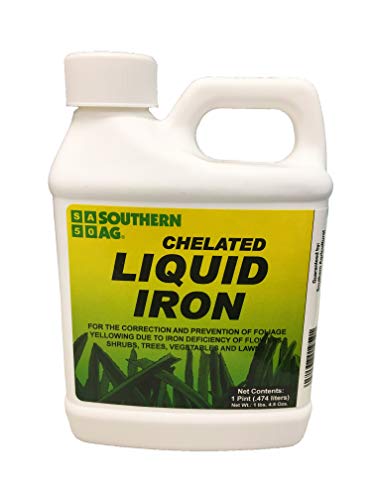
Corrects Iron deficiency in flowers, vegetables, shrubs & trees.
Importance of Fertilization
Fertilization provides essential nutrients that promote healthy growth and fruit production. Regular application of a balanced fertilizer ensures your trees receive the necessary macronutrients like nitrogen, phosphorus, and potassium. For best results, apply fertilizer during the active growing season, typically in spring and summer. Test your soil to determine nutrient levels and adjust your fertilization schedule accordingly.
Common Nutrient Deficiencies in Citrus Trees
Identifying common nutrient deficiencies helps you take corrective actions promptly. Here are the most prevalent deficiencies in citrus trees:
- Nitrogen Deficiency
You’ll notice yellowing of older leaves, poor growth, and reduced fruit development. Apply a nitrogen-rich fertilizer to encourage lush foliage and promote fruiting. - Iron Deficiency
Young leaves exhibit yellowing while veins remain green. To address this, consider chelated iron products for quick absorption by the tree. - Magnesium Deficiency
This deficiency causes yellowing between leaf veins, resulting in a “spider-web” appearance. Add Epsom salts or magnesium sulfate to boost magnesium levels. - Zinc Deficiency
New leaves may become small and deformed, with spots or streaks. Use a zinc sulfate solution to correct this deficiency and support healthy leaf development.
Regularly monitoring your trees for these symptoms and addressing nutrient deficiencies keeps your citrus trees healthy and productive. Consider conducting soil tests every couple of years to track nutrient levels and make informed adjustments to your care routine.
Pests and Diseases Affecting Citrus Trees
Citrus trees can struggle with various pests and diseases that impede fruit production. Recognizing these issues is key to maintaining healthy trees.
Recommended Products

KILLS LISTED FRUIT & CITRUS TREE INSECTS: Controls Asian Citrus Psyllid, Whiteflies, Aphids Thrips, Citrus Leafminers, Leafhoppers, Blackfly, Mealybugs, Scales, Avocado Lacebugs, Oriental Beetles, Flea Beetles, Sharpshooters, and Spittlebugs

TRIPLE PROTECTION FORMULA: 3-in-1 solution kills listed insects, controls listed diseases, and controls listed mites with one easy application

SPECIAL FORMULA FOR EDIBLE GARDENING: Fruit, Citrus & Vegetable Insect Control is specially formulated for use on over 100 listed fruits, vegetables, and citrus plants to kill listed insects and prevent new infestations
Identifying Common Pests
Common pests affecting citrus trees include:
- Aphids: Small, green or black insects that suck sap from leaves. Check for curling leaves or sticky residue.
- Spider Mites: Tiny pests that create webbing on the foliage. Look for yellow speckling on leaves.
- Citrus Leaf Miners: Larvae that tunnel into leaves, causing silvery trails. Identify leaves with distinctive mining patterns.
- Scale Insects: Small, immobile insects that cling to branches and leaves. Spot them as raised bumps on the bark.
To manage these pests, consider introducing beneficial insects like ladybugs or using insecticidal soaps. Consistently monitoring your trees helps prevent infestations.
Signs of Disease
Several diseases can hinder fruit production in citrus trees:
- Citrus Greening Disease: A bacterial infection causing yellowing leaves and misshapen fruit. Look for blotchy, yellow leaves.
- Root Rot: Often due to overwatering, this fungal disease causes wilting and yellowing foliage. Check for black, mushy roots upon inspection.
- Citrus Canker: Characterized by dark, sunken lesions on leaves and fruit. Watch for pitting or necrosis on affected areas.
To fight these diseases, practice good cultural management, like pruning affected areas and ensuring proper drainage. Regular inspections enable timely intervention, reducing the impact on your trees’ health.
Care Tips For Healthy Citrus Trees
Healthy citrus trees require specific care to thrive and produce fruit effectively. Proper maintenance addresses various factors essential for optimal growth.
Proper Pruning Techniques
Pruning citrus trees correctly enhances air circulation and sunlight exposure, both vital for fruit development. Follow these guidelines:
- Remove Dead or Diseased Wood: Cut back any branches that show signs of disease or death. This practice helps prevent the spread of pests and infections.
- Shape the Tree: Trim branches to maintain an open center. An open canopy allows light to penetrate and improves airflow.
- Thin Out Excess Growth: Remove crowded branches to prevent competition for nutrients and light. Aim for a balanced structure.
- Time Your Pruning: Conduct major pruning in late winter or early spring before new growth begins. Light pruning can occur throughout the growing season.
Best Fertilizers For Citrus Trees
Selecting the right fertilizers supports healthy growth and fruit production. Use the following tips for effective fertilization:
- Choose Balanced Fertilizers: Opt for a fertilizer with an N-P-K ratio close to 10-10-10 or 8-4-8. This mix provides essential macronutrients.
- Application Schedule: Fertilize spring and summer every 6-8 weeks during the active growing season. Adjust your schedule based on your specific climate and tree needs.
- Consider Micronutrients: Look for fertilizers enriched with iron, magnesium, and zinc. These nutrients help prevent common deficiencies that can impact fruiting.
- Monitor for Deficiencies: Regularly check leaves for signs of nutrient deficiencies, like yellowing or poor growth. Address issues with targeted applications or amendments.
Implementing these care tips ensures your citrus trees remain healthy and productive, leading to a bountiful harvest.
Conclusion
Getting your citrus trees to produce fruit can feel like a puzzle. By understanding the various factors that affect fruiting like pollination soil quality and environmental conditions you can take the right steps to encourage a bountiful harvest.
Regularly check for nutrient deficiencies and keep an eye on pests and diseases that might be lurking. With a little patience and care your citrus trees can thrive and reward you with delicious fruit. So don’t lose hope—your efforts will pay off in time. Happy gardening!
Frequently Asked Questions
Why isn’t my citrus tree producing fruit?
Citrus trees may fail to produce fruit due to several factors. Common reasons include insufficient pollination, poor soil conditions, improper watering, and nutrient deficiencies. Environmental factors like temperature extremes and inadequate sunlight can also impact fruit production. Addressing these issues can help encourage fruitful growth.
How can I improve pollination in my citrus trees?
To enhance pollination, introduce pollinators like bees to your garden, hand-pollinate the flowers, and plant multiple trees nearby for cross-pollination. Ensuring these actions can significantly increase your trees’ chances of producing fruit.
What soil conditions do citrus trees need?
Citrus trees thrive in well-draining soil with a pH level around 6 to 7. It’s essential to test the soil and amend it with compost for nutrients. Good drainage prevents root rot and supports healthy growth and fruit development.
How often should I water my citrus trees?
Citrus trees need consistent moisture, so water them regularly, especially during dry spells. Aim for deep watering to encourage root growth while avoiding waterlogging, which can damage the roots. Soil should remain moist but not soggy.
What temperature do citrus trees need to thrive?
Citrus trees do best in temperatures between 60°F and 75°F. Protect them from frost below 32°F and excessive heat above 95°F, as these extremes can lead to stress and hinder fruit production.
How much sunlight do citrus trees require?
Citrus trees require at least 6 to 8 hours of direct sunlight daily for optimal growth and fruiting. If your trees aren’t getting enough light, consider relocating them to sunnier spots or pruning to enhance light exposure.
What nutrients do citrus trees need?
Citrus trees need essential macronutrients like nitrogen, phosphorus, and potassium for healthy growth and fruit production. Regular fertilization with a balanced fertilizer during the growing season helps prevent nutrient deficiencies that can affect fruiting.
How can I identify nutrient deficiencies in my citrus trees?
Common signs of nutrient deficiencies include yellowing leaves and poor growth. For instance, nitrogen deficiency causes yellowing of older leaves, while iron deficiency leads to young leaves yellowing with green veins. Conduct soil tests for accurate diagnosis.
What pests are harmful to citrus trees?
Common pests include aphids, spider mites, citrus leaf miners, and scale insects. Monitoring for these pests and using integrated pest management strategies, like introducing beneficial insects or applying insecticidal soaps, can help keep your trees healthy.
How can I maintain healthy citrus trees?
Regular care practices, such as proper pruning to enhance air and light circulation, balanced fertilization, and pest management, are key to maintaining healthy citrus trees. Prune to remove dead wood and shape the tree, ensuring good health and productivity.
