

Have you ever wondered how long your lemon tree will keep producing those zesty fruits? If you’ve got a lemon tree in your backyard or are thinking about planting one, understanding its fruiting timeline can make all the difference.
Key Takeaways
- Fruit Production Timeline: Lemon trees typically start producing fruit between 3 to 5 years after planting, with some grafted varieties yielding sooner.
- Continuous Harvest: In optimal conditions, lemon trees can produce fruit year-round, blooming multiple times throughout the year. Fruits take about 6 to 9 months to mature.
- Long-Term Yield: Healthy lemon trees can produce 100 to 300 lemons annually for several decades, but production may decline after 20 years.
- Key Growth Stages: Lemon trees go through stages: seedling (0-1 year), juvenile (1-3 years), mature (5-10 years), and declining (20+ years), each influencing fruit production.
- Optimal Growing Conditions: Ensure well-draining soil, consistent watering, and protection from extreme cold to maximize fruit yield. Ideal temperatures range from 70°F to 100°F.
- Popular Varieties: Different lemon tree varieties, such as Eureka, Lisbon, Meyer, and Ponderosa, have unique characteristics and fruiting schedules, affecting choices based on specific needs.
Overview of Lemon Tree Fruit Production
Lemon trees typically begin producing fruit within 3 to 5 years after planting. The timeframe can vary based on the tree variety and growing conditions. For instance, grafted lemon trees often bear fruit sooner than seed-grown trees.
Lemon trees produce fruit year-round in suitable climates. You’ll find them blooming and bearing fruit multiple times during the year. Optimal conditions include warm temperatures, plenty of sunlight, and well-draining soil.
Once lemon trees mature, they can produce for several decades. A healthy tree can yield 100 to 300 lemons per year, depending on factors like tree size, care, and environmental conditions. To maximize fruit production, implement regular watering and fertilization strategies.
As lemons mature, they take about 6 to 9 months to develop fully. This means you’ll enjoy fresh lemons throughout the year, providing a continuous supply for culinary use or beverages.
If you’re concerned about production, observe your tree’s health. Check for pests and diseases that can hinder fruiting. Regular pruning also helps maintain the shape and productivity of your tree.
In essence, lemon trees offer a reliable harvest with proper care and conditions. You’ll enjoy a steady supply of fresh lemons for many years.
Lifespan of Lemon Trees
Lemon trees can produce fruit consistently for many years, but several factors influence their longevity and productivity.
Growth Stages
Lemon trees go through various growth stages, affecting their fruit-bearing capacity.
- Seedling Stage: For the first 6 to 12 months, the tree focuses on developing roots and foliage.
- Juvenile Stage: From 1 to 3 years, growth accelerates, but fruit production typically begins at 3 years.
- Mature Stage: After 5 years, trees reach maturity and produce fruit annually. Peak production often occurs between 5 and 10 years.
- Declining Stage: After about 20 years, fruit yield may decrease, but with proper care, some trees can still produce significant amounts for 30 years or longer.
Factors Affecting Lifespan
Multiple factors impact how long your lemon tree continues to produce fruit.
- Variety: Different lemon tree varieties, like Eureka or Lisbon, may have varying lifespans and productivity levels.
- Growing Conditions: Adequate sunlight, well-draining soil, and proper watering help sustain healthy growth.
- Pruning: Regular pruning removes dead or overcrowded branches, enhancing airflow and sunlight exposure.
- Pest and Disease Management: Vigilantly checking for pests and diseases ensures your tree remains healthy and productive.
- Climate: Lemon trees thrive in warm climates. Extreme cold can damage or kill trees, impacting their fruiting lifespan.
By understanding growth stages and factors influencing lifespan, you can maximize your lemon tree’s fruit production throughout its life.
Timeframe for Fruit Production
Lemon trees produce fruit at various stages throughout their life. Understanding this timeline helps you anticipate harvests and plan for care and maintenance.
Recommended Products

FORMULATED FOR CITRUS AND FRUIT TREES: Use these citrus fertilizer spikes on apple, orange, lemon, lime, and avocado trees; this formula is also great for feeding palm trees


Fruit Protection Design: A thick foam pad at the bottom provides a soft landing for picked fruit, helping reduce impact and prevent damage or bruising during use. The large-capacity metal basket is designed to accommodate a variety of fruit sizes ranging from 1" to 6" in diameter, making it suitable for everyday backyard picking tasks. The claw-style design securely grips fruit for smooth and controlled picking, improving efficiency while minimizing drops.
Age of Lemon Trees
Lemon trees typically start bearing fruit between 3 to 5 years old. Grafted varieties, which are common in home gardens, often produce earlier than trees grown from seeds. By the time a tree reaches 5 years, it enters the mature stage, yielding roughly 100 to 300 lemons annually for decades. However, trees may decline after about 20 years, leading to reduced fruit production.
Seasonal Considerations
Lemon trees thrive in warm climates and can produce fruit year-round under optimal conditions. Expect blooms to occur multiple times throughout the growing season if you provide adequate sunlight, warmth, and well-draining soil. Each flower can develop into fruit, taking about 6 to 9 months to mature. During cooler months, production may slow, but maintaining proper care techniques can help sustain growth even in less favorable seasons.
Optimal Conditions for Fruit Bearing
Lemon trees thrive under specific conditions that enhance their fruit production. Understanding these factors helps optimize your tree’s yield.
Recommended Products

【Ideal pH Balance】Our citrus soil is carefully calibrated to maintain an optimal pH level between 6.0 and 7.1, ensuring your citrus trees can absorb essential nutrients efficiently and thrive

Made For Potted Citrus Trees: Our citrus potting soil mix is made for potted lemon, lime, orange and other citrus trees that need a lighter growing medium for repotting. We double-screen all of our raw ingredients to support a cleaner, more consistent texture for pouring and repotting potted citrus trees.

🍊 PROFESSIONALLY MIXED IN THE USA - Each bag is hand blended on our small family farm with premium horticultural grade ingredients: Canadian Peat Moss, Perlite, Worm Castings and Lime - 1 QUART BAG
Soil and Water Requirements
Soil plays a critical role in lemon tree health. Use well-draining soil rich in organic matter. Sandy loam is ideal, as it prevents waterlogging, which can harm roots.
Water your lemon tree consistently but avoid overwatering. Keep the soil slightly moist during the growing season. An established tree generally needs about 1 to 2 inches of water weekly. Adjust your watering schedule depending on the season and rainfall.
Climate and Temperature
Lemon trees flourish in warm, subtropical climates. They require a temperature between 70°F and 100°F for optimal growth. Protect your tree from frost, as cold temperatures can damage flowers and fruits.
If your area experiences cooler months, consider growing lemon trees in containers. This allows you to move them indoors during cold spells. A sunny spot, ideally receiving 8 to 12 hours of sunlight daily, enhances fruiting potential.
By adhering to these soil, water, climate, and temperature guidelines, you can create the perfect environment for your lemon tree to flourish and produce fruit.
Common Varieties of Lemon Trees
Lemon trees come in various varieties, each offering unique traits and fruiting characteristics. Understanding these varieties helps you choose the right tree for your garden or landscape.
Recommended Products
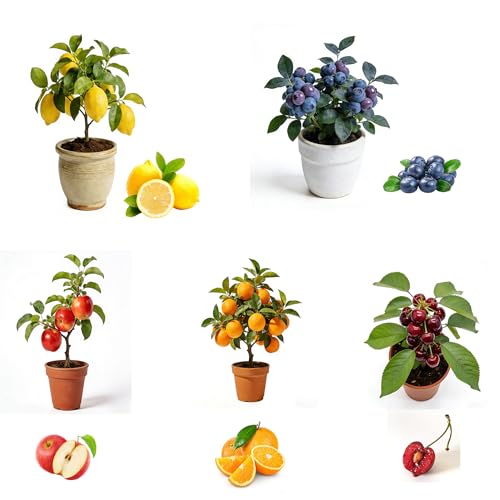
Complete Fruit Garden Collection: This comprehensive seed set provides everything needed to start a diverse container fruit garden.With 160 total seeds, this collection offers exceptional value for gardeners seeking to grow multiple fruit varieties in containers on patios, balconies, or small spaces

4 kinds of the most popular fruits, individually packaged, 50pcs Lemon seeds 50pcs Cherry seeds 50pcs Orange seeds 50pcs Apple seeds Fresh seeds, all fruit seeds are packed in tear and moisture resistant zipper sealed bags for your long term storage.
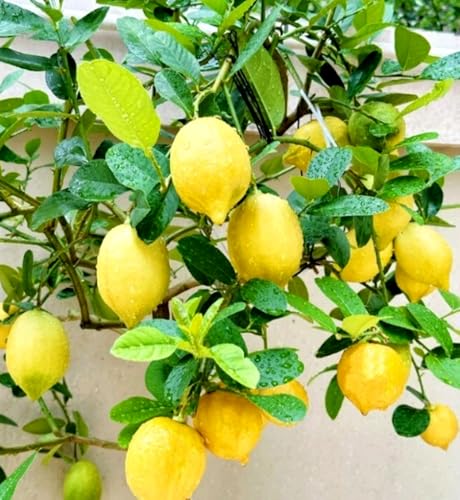
Meyer lemons are a thin-skinned hybrid fruit.
Fruiting Characteristics
- Eureka: This variety produces fruit year-round, making it a popular choice. Eureka lemons are juicy, with a tangy flavor perfect for cooking or drinks. You’ll find these trees thrive in warm climates.
- Lisbon: Lisbon lemon trees resemble the Eureka variety but often yield fruit in larger volumes. This variety is also very resilient and can survive in tougher conditions, producing fruit generally three to four times a year.
- Meyer: Meyers are a hybrid between a lemon and a sweet orange. These trees produce smaller, rounder lemons with a sweeter flavor. They tend to produce fruit quickly, typically starting in their second year.
- Ponderosa: Ponderosa lemons are unique for their large size and thick skin. They have a strong lemon flavor and may take longer to produce fruit, sometimes up to five years, but can yield an impressive harvest once mature.
- Improved Meyer: A more robust version of the Meyer lemon, the Improved Meyer produces fruit faster and has a wonderful aroma. This variety thrives in containers and is suitable for smaller spaces.
- Planting Location: Choose a sunny spot that gets 8 to 12 hours of sunlight each day. Proper light improves growth and fruit production.
- Watering: Ensure consistent moisture without overwatering. Water deeply every week, and adjust based on rainfall and temperature.
- Soil Type: Use well-draining, organic-rich sandy loam soil. This supports healthy root development and prevents waterlogging.
- Fertilizing: Apply a balanced citrus fertilizer during the active growing season, typically spring through summer. Follow the recommended quantities on the package.
- Pruning: Regular pruning encourages bushy growth and better fruit production. Trim dead or crossing branches to enhance air circulation around the tree.
- Pest Management: Monitor for pests, such as aphids and scale. Use organic insecticidal soap for any infestations.
By selecting the right lemon tree variety and providing proper care, you can enjoy a fruitful lemon harvest for years.
Conclusion
Understanding how long lemon trees produce fruit can make a big difference in your gardening journey. With the right care and conditions you can enjoy bountiful harvests for many years.
Remember that each tree may have its own timeline and needs. By keeping an eye on your tree’s health and ensuring it gets the right amount of sunlight and water you’ll set yourself up for success.
So whether you’re just starting out or already have a mature tree in your garden take pride in nurturing it. With patience and attention you’ll be rewarded with delicious lemons for all your culinary creations. Happy gardening!
Frequently Asked Questions
When do lemon trees start producing fruit?
Lemon trees generally begin to bear fruit within 3 to 5 years after planting. The exact timeline can vary based on the tree variety and growing conditions. Grafted trees tend to produce fruit sooner compared to those grown from seeds.
How many lemons can a mature tree produce?
Once mature, lemon trees can yield between 100 to 300 lemons annually for many decades. Factors like tree health, care, and environmental conditions can affect the total yield.
What are the ideal conditions for growing lemon trees?
Lemon trees thrive in warm, subtropical climates with temperatures between 70°F and 100°F. They require well-draining, organic-rich sandy loam soil and should receive 8 to 12 hours of sunlight daily.
How long does it take for lemons to ripen?
Lemons typically take about 6 to 9 months to mature from the time they bloom. Proper care helps ensure fruit reaches its peak ripeness.
What factors affect the lifespan of a lemon tree?
The longevity and productivity of lemon trees are influenced by factors such as tree variety, growing conditions, pruning, pest management, and climate. Regular monitoring is essential for sustained health.
Can I grow lemon trees in cooler climates?
Yes, you can grow lemon trees in cooler climates by planting them in containers. This allows you to move them indoors during frost or extreme cold, which protects their health and productivity.
What are some common varieties of lemon trees?
Common lemon tree varieties include Eureka, Lisbon, Meyer, Ponderosa, and Improved Meyer. Each variety has unique traits and fruiting characteristics, influencing your choice based on personal preference and growing conditions.
