

Are you thinking about planting fruit trees in your yard? If so, you might be wondering which ones will thrive in your sunlight conditions. Some trees bask in the sun and produce the juiciest fruits, while others prefer a bit of shade.
Key Takeaways
- Sunlight Requirements: Understand that most fruit trees require 6 to 8 hours of direct sunlight daily for optimal growth and fruit production.
- Tree Species Matters: Different species have varying sunlight needs; trees like apple and peach thrive in full sun, while blueberry and fig trees tolerate partial sun.
- Planting Location: Consider your geographical climate and the age of your trees when choosing planting locations to ensure they receive appropriate sunlight.
- Spacing and Canopy Formation: Adequate spacing between trees is essential to avoid competition for sunlight, while proper canopy management can enhance light penetration.
- Soil and Watering Practices: Prepare well-draining soil tailored to each tree species, and follow effective watering practices to support healthy growth and fruit yield.
- Optimal Choices: Select fruit trees that align with your sunlight conditions; apple, peach, and cherry trees thrive in full sun, while blueberry and fig trees are suitable for gardens with partial sun.
Understanding Sunlight Requirements
Sunlight plays a vital role in the growth and fruit production of trees. Certain fruit trees thrive under specific sunlight conditions to yield healthy and abundant fruits.
Importance of Sunlight for Fruit Trees
Sunlight is essential for photosynthesis, the process through which trees convert light energy into chemical energy. Strong direct sunlight, defined as 6 to 8 hours daily, significantly enhances fruit quality and quantity. For example, common fruit trees like apple and peach trees produce tastier fruits when receiving full sun. Insufficient sunlight can lead to weaker trees, lower fruit production, and poor fruit quality.
Factors Affecting Sunlight Needs
Several factors influence the sunlight needs of fruit trees:
- Tree Species: Different species have varying sunlight requirements. Citrus trees, for instance, thrive in full sun, while some berry bushes can tolerate partial shade.
- Location: The geographical climate affects how much sunlight your trees receive. For example, trees planted in northern regions might receive less sunlight than those in southern areas.
- Tree Age: Younger trees often require more sunlight to build a strong foundation. Mature trees may tolerate some shade but still perform best in sunny locations.
- Spacing: Dense planting can lead to competition for sunlight. Ensure adequate spacing between trees to maximize sun exposure.
- Canopy Formation: The shape and density of a tree’s canopy can impact sunlight penetration. Thinning out overly dense canopies allows more light to reach lower branches.
By understanding these factors, you can make informed decisions about which fruit trees to plant and how to position them for optimal growth.
Top Fruit Trees That Thrive in Full Sun
Several fruit trees flourish in full sun, defined as receiving 6 to 8 hours of direct sunlight each day. These trees not only produce abundant fruit but also benefit from the warmth and light. Here’s a closer look at some of the top choices.
Recommended Products

GROWTH POTENTIAL: Liberty apple tree can reach heights of up to 72 inches, perfect for home orchards and gardens

Apple Trees
Apple trees thrive in full sun, requiring at least 6 hours of direct sunlight daily for optimal growth. Popular varieties like Honeycrisp and Fuji produce sweet, crisp apples when planted in sunny locations. Plant these trees 10 to 15 feet apart to ensure adequate light and air circulation, promoting healthy growth.
Peach Trees
Peach trees flourish in bright sunlight. Varieties such as Redhaven and Elberta benefit from full sun exposure, leading to juicy, flavorful peaches. For the best results, plant peach trees in well-drained soil and provide 6 to 8 hours of sunlight daily. Space them 15 to 20 feet apart to allow for their spread and increased air circulation.
Cherry Trees
Cherry trees prosper in full sun as well. Sweet varieties like Bing and Rainier require at least 6 hours of sunlight daily to produce delectable cherries. Plant these trees in well-prepared soil, ensuring good drainage. Keep a distance of 20 feet between each tree to let them grow without shading one another.
These fruit trees not only require full sun for growth but also reward you with delicious fruit. Consider these options when planning your garden for optimal sunlight exposure.
Partial Sun Fruit Trees
Some fruit trees thrive in partial sun conditions, which means they require about 4 to 6 hours of direct sunlight daily. These trees adapt well to less intense sun and can still produce delicious fruits.
Recommended Products
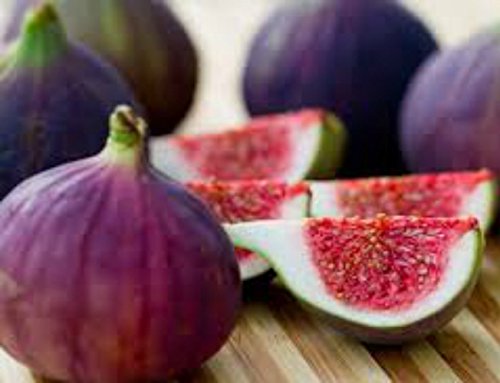
The price includes Four (4) "Violette de Bordeaux" Fig Trees with USPS Shipping. These 2 inch rooted plants shipped in a 2 inch tray pots. The plants are at least 2-5 inches tall.

BONSAI FRUITS: Its fun to grow your own bonsai, start will a well rooted 1 year old seedling.
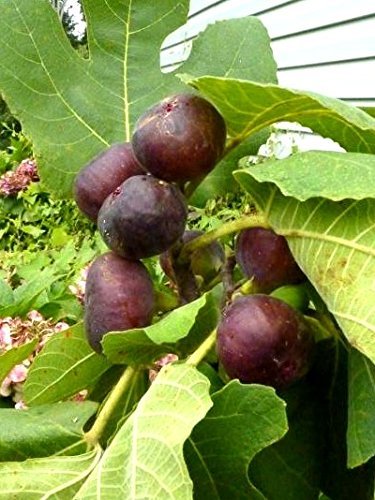
Includes Four Plants of "Chicago Hardy" Fig Trees with 4 Hello Organic Plant Tags. These are 2 inch rooted plants shipped in 2 inch tray pots and are 2-5 inches tall.
Blueberry Bushes
Blueberry bushes prefer partial sun, making them suitable for gardens that receive filtered light or dappled shade. These bushes require acidic soil with a pH between 4.5 and 5.5. When planting, space them 3 to 4 feet apart to allow for proper air circulation. Varieties such as Highbush and Rabbiteye are particularly known for their resilience and yield. Regular watering during dry spells ensures these bushes produce abundant, sweet berries.
Fig Trees
Fig trees enjoy partial sun, especially in hotter climates where intense sun can scorch their leaves. Aim for around 4 to 6 hours of direct sunlight for optimal fruit production. When selecting a planting location, choose well-drained soil to prevent root rot. Space fig trees about 10 to 15 feet apart, allowing room for full maturity. Varieties like Brown Turkey and Celeste adapt well to varying light conditions while yielding sweet, succulent figs. Pruning is essential, as it encourages air circulation and supports healthy growth.
Growing Tips for Sun-Loving Fruit Trees
Growing fruit trees that love sunlight involves specific practices to ensure they thrive. Following these tips enhances growth and fruit production.
Recommended Products

Kindly NOTE: This soil tester can not be applied to test pH value of any other liquid. If the soil is too dry the indicator will not move, and water it before testing.

✅ 1Dial & 1 LCD Screen - Replace/install all 3 batteries each time. Put button to %RH/°F to - Turn On, and put to LIGHT to - Turn Off. Read the LCD results in 3-5 mins. (Not Water Moisture Meter, so, please don't test liquid)

KNOW BEFORE YOU GROW | Grow the healthiest, sustainable lawn and garden with the most accurate and easy to use professional soil test kit on the market
Soil Preparation
Soil preparation forms the foundation for healthy fruit trees. You should follow these steps:
- Test Soil pH: Use a soil testing kit to determine your soil’s pH. Most fruit trees prefer a pH between 6.0 and 7.0.
- Improve Drainage: Amend soil with organic matter, such as compost. This improves drainage and adds nutrients.
- Loosen Soil: Dig down at least 12 inches to break up compacted soil. This promotes root growth.
- Create a Planting Hole: Dig a hole twice the width of the tree’s root ball. This gives roots plenty of space to expand.
Consider these adjustments for specific trees. Apple trees benefit from loamy soil, while peach trees prefer sandy soils for better drainage.
Watering Practices
Watering is crucial for sun-loving fruit trees during their growth. Here’s how to water effectively:
- Water Deeply: Instead of light, frequent watering, provide deep soakings. This encourages roots to grow deep into the soil.
- Use Mulch: Apply a 2 to 4-inch layer of mulch around the base of the tree. This retains moisture and suppresses weeds.
- Monitor Moisture: Check soil moisture regularly. A soil moisture meter can help gauge when to water.
- Water Frequency: During dry spells, water every 5 to 7 days. Adjust this schedule based on rainfall.
Following these watering practices promotes strong growth and fruit production in your sun-loving trees.
Conclusion
Choosing the right fruit trees for your garden can make all the difference in your harvest. By understanding the sunlight requirements of different species you can create a thriving environment for your trees. Whether you’re leaning towards sun-loving varieties like apples and peaches or considering those that prefer partial sun like blueberries and figs there’s a perfect fit for every space.
Remember to consider your local climate and soil conditions when planning your garden. With a little care and attention to sunlight needs you’ll be well on your way to enjoying a bountiful fruit harvest in no time. Happy planting!
Frequently Asked Questions
What are the sunlight requirements for fruit trees?
Most fruit trees need between 6 to 8 hours of direct sunlight daily for optimal growth. Some trees, like blueberries and figs, can thrive in partial sun, which is about 4 to 6 hours of sunlight each day.
Which fruit trees require full sun?
Fruit trees such as apple, peach, and cherry trees require full sun to produce high-quality fruits. They should be spaced appropriately from 10 to 20 feet apart, depending on the species.
How do I prepare soil for planting fruit trees?
To prepare soil for fruit trees, test the pH, improve drainage with organic matter, loosen compacted soil, and create a spacious planting hole. Each tree species may have specific soil preferences.
How often should I water my fruit trees?
It’s best to water fruit trees deeply rather than frequently. Use mulch to retain moisture, monitor soil moisture levels, and adjust watering frequency during dry periods to ensure healthy growth.
Can fruit trees grow in shaded areas?
Some fruit trees, like blueberry and fig trees, can grow in shaded areas, requiring less sunlight. However, they’ll produce fewer fruits compared to those planted in full sun.
