

Have you ever wondered why some fruit trees produce better fruit than others? Grafting is a technique that can make all the difference. Imagine having a tree in your backyard that not only thrives but also bears delicious fruit year after year.
Key Takeaways
- Understanding Grafting: Grafting is a horticultural technique that combines a scion and rootstock, enhancing the growth and productivity of fruit trees.
- Historical Significance: This practice dates back over 2,000 years, evolving through various methods, and has contributed significantly to fruit cultivation.
- Improved Fruit Quality: Grafting allows for the selection of superior fruit varieties, resulting in better flavors and quality in the harvest.
- Disease Resistance: Choosing resistant rootstocks enhances a tree’s ability to withstand diseases, reducing the need for chemical treatments.
- Variety of Techniques: Different grafting methods, such as whip-and-tongue and bud grafting, cater to specific situations and tree types for optimal results.
- Common Grafted Fruits: Apple and citrus trees are prime examples of grafted species that benefit from improved quality, adaptability, and disease resistance.
Understanding Grafting
Grafting plays a pivotal role in enhancing fruit tree cultivation. It involves joining parts of different plants to create a strong and productive tree.
Definition of Grafting
Grafting is the horticultural technique of combining parts from two plants: the scion and the rootstock. The scion is the part that produces the desired fruit, while the rootstock provides the roots and often contributes disease resistance and adaptability. This union allows the scion to take advantage of the rootstock’s beneficial traits.
Historical Background
Grafting dates back over 2,000 years, with evidence found in ancient Chinese texts, Greek writings, and Roman gardens. Early gardeners recognized that combining plant varieties could produce superior fruits. Techniques evolved, leading to the diverse grafting methods known today, such as whip-and-tongue grafting and cleft grafting. Each method suits different tree species, ensuring the ongoing development of fruit cultivation practices.
Benefits of Grafting
Grafting offers several advantages for fruit tree cultivation. This technique enhances growth, boosts fruit quality, and provides stronger plants. Here are key benefits to consider:
Improved Fruit Quality
Grafting leads to better fruit quality by enabling the use of superior scions. When you select a scion from a high-yielding or flavorful tree, you transfer those desirable traits to a new tree. For instance, grafting a Honeycrisp apple scion onto a compatible rootstock can produce trees with apples that are crisp and sweet. This method allows for a combination of various fruit characteristics, ensuring a more enjoyable harvest.
Disease Resistance
Grafting enhances disease resistance by allowing you to choose rootstocks known for robust health and resilience. You can use rootstock that withstands specific soil-borne diseases or pests, protecting your tree. For example, using a rootstock resistant to root rot helps keep the entire tree healthy. This strategic choice can significantly reduce the need for chemical treatments, promoting a more sustainable gardening practice.
Types of Grafting Techniques
Grafting techniques vary based on the desired outcome and the type of fruit tree involved. Understanding these techniques can enhance your fruit tree cultivation experience.
Whip and Tongue Grafting
Whip and tongue grafting suits trees with similar diameters. This method creates a strong bond between the scion and rootstock. Start by making a diagonal cut on both the scion and rootstock. Then, make a second cut that creates a tongue to interlock the two pieces. Align the cambium layers, secure the graft with tape, and coat it with wax to protect against moisture loss. This technique promotes successful growth as it allows for more surface area contact for nutrient exchange.
Bud Grafting
Bud grafting focuses on transplanting a bud instead of a whole scion. Ideal for smaller plants, this method works well when scions are scarce. Select a healthy bud from the desired tree and prepare the rootstock by making a T-shaped incision in the bark. Slip the bud under the bark flap, ensuring that the cambium layers are aligned. Wrap the graft tightly, leaving the bud exposed, and monitor its progress. This technique is efficient, as it uses less material while achieving remarkable results in fruit quality and tree vigor.
Grafting Process
Grafting is a systematic process that improves fruit trees by combining the best traits of different plants. Understanding the steps and tools involved ensures successful grafting.
Recommended Products

TREE GRAFTING TOOL - Efficiently prepare scion shoots and understock for grafting with our handy garden tool. This standard manual grafting tool can be used to cut stock up to 1/2” in diameter and comes with an excellent illustrated instruction manual.

PROFESSIONAL GARDENING GRAFTING TOOLS: Including 2 in 1 grafting pruning tools, 3 replaceable blades, a grafting knife, a screwdriver, a wrench, 2 grafting films, 160 rubber bands, 40 wide rubber bands, and 50 colorful tag cards

Professional Grafting Tool: This gardening grafting tool kit includes 2 in 1 grafting pruning tool and 3 replaceable blades. The 3 replaceable graft cutting blades (Ω-Cut & U-Cut & V-Cut) for cutting fruit branches with diameters from 5 mm to 12 mm. Precise and perfect cutting improves survival rate.
Steps Involved
- Select Scion and Rootstock: Choose a healthy scion that produces desired fruit and a compatible rootstock that supports growth and disease resistance.
- Prepare the Scion: Cut a scion that is 6 to 12 inches long with several buds. Make a clean cut to avoid damaging the plant’s tissue.
- Prepare the Rootstock: Trim the rootstock to the appropriate height. Make a clean cut on the top to expose fresh tissue, which facilitates better bonding.
- Make the Graft: Use a grafting technique like whip-and-tongue or cleft grafting. Align the cambium layers of the scion and rootstock for optimal success.
- Secure the Graft: Wrap the graft union tightly with grafting tape or wax to hold it in place and prevent moisture loss.
- Care for the Graft: Water the grafted tree regularly and keep it in a controlled environment. Monitor for growth and ensure that no pests or diseases affect the developing plant.
| Tool | Purpose |
|---|---|
| Grafting knife | For making precise cuts |
| Budding knife | For specific bud grafting |
| Grafting tape or wax | To secure the graft union |
| Pruning shears | For trimming scions and rootstocks |
| Plant tags | To label grafted plants |
| Rubbing alcohol | For sterilizing tools |
These tools help streamline the grafting process, ensuring that each step is executed efficiently and effectively.
Common Fruit Trees That Are Grafted
Grafting is common among several fruit tree species, enhancing their productivity and quality. Here are two notable examples:
Recommended Products
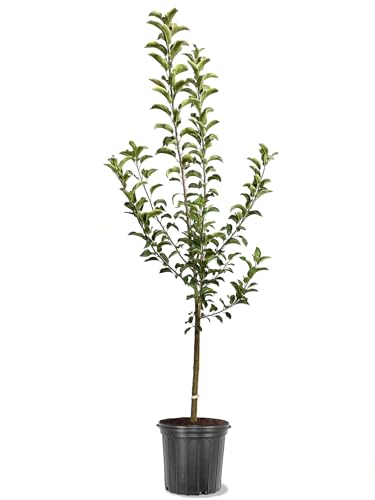
Crisp, Sweet Apples: Produces large, juicy apples with a perfect balance of sweetness and tartness, ideal for fresh eating and baking.

Shipping Restrictions: Due to Agricultural Laws, we Cannot Ship to CA, AZ, AK, or HI - YOUR ORDER WILL BE CANCELED

Growing dessert on a tree? Indeed! Imagine the Honeycrisp Apple Trees - offering that delightful crispness, crunch, and juicy sweetness. While store-bought Honeycrisps provide a fraction of the taste and quality of home-grown apples, this tree delivers. Our Honeycrisp Apple Tree is a fuss-free source of fresh, scrumptious fruit, boasting cold endurance down to -30 degrees and a robust yield once established.
Apple Trees
Apple trees harness grafting to ensure consistent fruit quality and flavor. Grafting allows you to combine a high-yielding scion, like the Honeycrisp variety, with a vigorous rootstock that withstands diseases. Varieties such as M.7 (dwarf) or M.111 (semi-dwarf) serve as ideal rootstocks, promoting robust growth and early fruit production. When selecting grafted apple trees, confirm the compatibility of scion and rootstock for the best outcomes in your garden.
Citrus Trees
Citrus trees greatly benefit from grafting, enhancing fruit quality and adaptability. Common grafting combinations include sweet orange scions on trifoliate orange rootstocks. This pairing yields improved cold hardiness and disease resistance. Look for grafted varieties like ‘Washington Navel’ or ‘Valencia’ oranges, offering exceptional flavor and vitality. Ensure to monitor your grafted citrus trees for pests and watch for signs of nutrient deficiencies to maintain strong growth and fruit production.
Conclusion
Grafting is a fascinating technique that opens up a world of possibilities for your fruit trees. By combining the best traits of different plants you can enjoy healthier trees and more delicious fruit. Whether you’re aiming for superior flavors or better disease resistance grafting helps you create a thriving garden.
With the right methods and care you’ll not only enhance your fruit production but also contribute to sustainable gardening practices. So if you’re considering planting fruit trees in your backyard remember that grafting could be the secret ingredient to your gardening success. Happy grafting and enjoy your fruitful journey!
Frequently Asked Questions
What is grafting in fruit tree cultivation?
Grafting is a horticultural technique that involves joining parts of different plants to create a strong, productive tree. It combines a scion, which produces the desired fruit, with a rootstock that provides roots and desirable traits like disease resistance.
Why is grafting important for fruit trees?
Grafting enhances fruit quality and disease resistance. It allows for the selection of superior scions from high-yielding trees, resulting in better-tasting fruit. Additionally, it enables the use of robust rootstocks that can withstand diseases and pests, promoting healthier trees.
What are the historical origins of grafting?
Grafting dates back over 2,000 years, with its practice documented in ancient Chinese texts, Greek writings, and Roman gardens. Early gardeners recognized the benefits of combining different plant varieties to improve fruit production and quality.
What are some common grafting techniques?
Common grafting techniques include whip-and-tongue grafting, suitable for trees with similar diameters, and bud grafting, which involves transplanting a bud. Each technique is chosen based on the tree species and desired outcome.
What tools are essential for successful grafting?
Essential tools for grafting include grafting knives, budding knives, grafting tape or wax, pruning shears, plant tags, and rubbing alcohol for sterilization. Using the right tools is crucial for executing each step effectively.
Which fruit trees benefit most from grafting?
Apple and citrus trees are among the most common types that benefit from grafting. For apple trees, grafting ensures consistent quality, while for citrus trees, it improves fruit quality and adaptability, enhancing traits like cold hardiness and disease resistance.
