

Have you ever wondered how long it takes for citrus trees to start bearing fruit? If you’re thinking about planting one in your garden, you’re not alone. Many people dream of enjoying fresh oranges, lemons, or limes right from their own backyard.
Key Takeaways
- Fruit Production Timeline: Grafted citrus trees typically produce fruit within 2-4 years, while seed-grown trees may take 4-6 years to bear fruit.
- Optimal Growing Conditions: Citrus trees thrive in warm climates (50°F to 85°F), with well-draining, slightly acidic soil and full sunlight (6-10 hours daily).
- Varietal Differences: Different types of citrus, such as lemons and limes, generally produce fruit sooner (3-5 years) compared to oranges and grapefruits (4-6 years).
- Regular Maintenance: Consistent watering, fertilizing every 4-6 weeks, and appropriate pruning significantly influence the health and fruit production of citrus trees.
- Pest Management: Regularly monitor for pests and diseases, using organic solutions to keep trees healthy and boost fruit yield.
- Cross-Pollination Benefits: Planting multiple citrus varieties near one another can enhance fruit production, even though many varieties are self-pollinating.
Overview of Citrus Trees
Citrus trees are popular for home gardens due to their delicious fruits and attractive foliage. These trees belong to the Rutaceae family and include varieties like oranges, lemons, limes, and grapefruits. Understanding their growth habits and requirements is crucial for successful fruit production.
Growth Stages of Citrus Trees
- Seedling Stage: Citrus trees start from seeds or grafted seedlings. Grafted trees grow faster and mature quicker, often producing fruit within 2 to 3 years. Seed-grown trees may take 4 to 6 years.
- Juvenile Stage: During this period, trees focus on growth rather than fruiting. This stage can last from a few months to several years, depending on the variety and growing conditions.
- Mature Stage: Once established, citrus trees reach maturity at 3 to 5 years. At this point, you’ll see your first fruits. Regular pruning and proper care enhance fruit production.
Factors Influencing Fruit Production
- Variety: Different citrus varieties have unique timelines. For example, Valencia oranges may produce fruit sooner than navel oranges.
- Climate: Citrus trees thrive in warm, sunny climates. Temperature extremes impact growth and flowering. You can expect better yields in temperatures between 50°F and 85°F.
- Soil Quality: Well-draining, slightly acidic soil promotes healthy root development. Consider testing your soil and amending it as needed for optimal growth.
- Watering: Consistent watering is vital. Ensure trees receive adequate moisture, especially during dry spells. Overwatering can lead to root rot.
- Choose Grafted Trees: Grafted citrus trees yield fruit faster than seedlings.
- Provide Adequate Sunlight: Position trees to receive at least 6 to 8 hours of sunlight daily.
- Mulch Regularly: Use organic mulch to retain moisture and suppress weeds.
- Fertilize Annually: Apply a balanced fertilizer in early spring to promote healthy growth and fruiting.
By considering these aspects, you can enjoy a successful citrus harvest in your home garden.
Factors Influencing Fruit Production
Several factors impact how quickly your citrus trees can begin producing fruit. Understanding these elements helps you create the best conditions for growth and fruiting.
Recommended Products

Package contains 4 Pounds organic fruit and citrus fertilizer grains and is produced to avoid wasteful runoff, mess, hazards and smells

Made for Lemon & Citrus Trees – Formulated to support healthy growth in lemon and citrus plants.

Balanced Organic Nutrition – Supplies a 6‑3‑3 NPK ratio along with calcium, sulfur, iron, and zinc to foster healthy foliage, flowering, and fruit.
Tree Species
Different citrus species produce fruit at varying rates. For instance, lemon trees typically bear fruit within three to five years, while orange trees can take four to six years. Grafted varieties often yield fruit sooner than seed-grown trees. Research specific species to find one that fits your timeline and garden plans.
Growing Conditions
Optimal growing conditions play a crucial role in fruit production. Citrus trees thrive in warm climates with well-draining, sandy soil. They require full sunlight for at least six hours daily. Consistent temperatures between 70°F to 85°F promote healthy growth. Poor drainage or cold snaps can delay fruiting, so consider your local climate when planting.
Care and Maintenance
Regular care and maintenance significantly influence fruit production timelines. Watering practices should maintain consistent soil moisture without overwatering. Fertilizing your trees with a balanced fertilizer every four to six weeks encourages growth and fruit set. Pruning helps shape the tree and removes any dead or diseased branches, which can hinder fruit production. Adjust your care regimen as the tree matures to support its changing needs.
Timeline for Fruit Production
Citrus trees don’t produce fruit overnight. Understanding the timeline helps set realistic expectations for your garden.
Recommended Products

FORMULATED FOR CITRUS AND FRUIT TREES: Use these citrus fertilizer spikes on apple, orange, lemon, lime, and avocado trees; this formula is also great for feeding palm trees

1. Peel the fruit directly and remove the seeds.
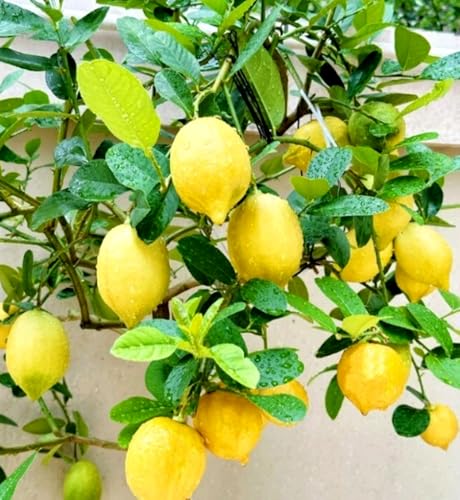
Meyer lemons are a thin-skinned hybrid fruit.
From Planting to First Fruits
Generally, citrus trees take three to six years to yield their first fruits, depending on various factors. If you plant a grafted tree, expect fruit in three to four years. Seed-grown trees, however, might delay fruit production by an additional one to two years. Early care plays a crucial role, too. Provide consistent watering, good nutrition, and adequate sunlight to support growth during these initial years.
Variations by Citrus Type
Different citrus types have unique timelines for fruit production. Here’s a concise overview:
| Citrus Type | Time to First Fruit |
|---|---|
| Lemon | 3 to 5 years |
| Orange | 4 to 6 years |
| Lime | 3 to 5 years |
| Grapefruit | 4 to 6 years |
| Tangerine | 3 to 5 years |
Keep in mind that weather conditions and local climate significantly affect these timelines. Warmer climates often speed up fruiting, while cold or inconsistent weather may slow progress. Adjust your care practices based on the specific type of citrus tree you choose, ensuring the best possible outcomes.
Best Practices for Accelerating Fruit Production
To speed up fruit production in your citrus trees, consider the following practices:
Recommended Products

🍋 EXPLOSIVE HARVEST: GardenWise ignites a remarkable yield boost. Its scientific blend, featuring 6% nitrogen for growth, 4% phosphorus for flowering, and 6% potassium for fruit quality, culminates in an abundance of flavorful, aromatic fruits. This is more than growth; it's a nutrient-powered revolution in your citrus yield.

Down To Earth Citrus Mix is a five pound box of all natural fertilizer with 6-3-3 formula and is listed by the Organic Materials Review Institute (OMRI) for use in organic production

Made for Citrus Tree Plants – Formulated to support healthy growth for Citrus trees and other indoor plants.
Select the Right Variety
Choose citrus varieties known for early fruiting. Lemon and lime trees typically bear fruit faster than oranges and grapefruits. Opt for grafted trees, as they often produce fruit within three to four years, while seed-grown trees may take longer.
Ensure Optimal Growing Conditions
Provide ideal growing conditions for your citrus trees:
- Climate: Keep them in warm, sunny spots. Citrus thrives in temperatures between 70°F and 100°F.
- Soil: Use well-draining sandy soil to prevent root rot. Soil pH should ideally range from 6.0 to 7.5.
- Sunlight: Position your trees in full sun, receiving at least 8 to 10 hours of light daily.
Practice Regular Watering
Water your citrus trees consistently. The soil should remain moist but not waterlogged. During hot months, check the soil more frequently and adjust your watering schedule. Deep watering encourages stronger root growth.
Fertilize Appropriately
Apply a balanced, slow-release fertilizer. Look for fertilizers specifically formulated for citrus trees, containing equal parts nitrogen, phosphorus, and potassium. Fertilize every six weeks during the growing season to provide essential nutrients.
Prune Wisely
Prune your trees during the dormant season to promote healthy growth. Remove any dead or unhealthy branches to improve airflow and sunlight penetration. Pruning helps direct energy toward fruit production.
Monitor for Pests and Diseases
Check your trees regularly for signs of pests like aphids, spider mites, and scale. Use organic insecticidal soap to control infestations. Keeping your trees healthy contributes to better fruit yield.
Consider Pollination
Plant multiple citrus varieties near each other if possible. Cross-pollination can enhance fruit production and improve fruit quality. Many citrus trees are self-pollinating, but additional varieties can still boost yield.
By implementing these best practices, you can enhance your citrus trees’ growth conditions and increase the likelihood of a fruitful harvest sooner.
Conclusion
Growing your own citrus trees can be a rewarding experience that adds flavor to your garden and kitchen. While it takes some patience to see those first fruits, knowing the right conditions and care can make all the difference. By choosing the right varieties and providing optimal growing conditions you can enjoy fresh citrus in just a few years.
Remember to nurture your trees with consistent watering and proper fertilization while keeping an eye out for pests. With a little love and attention your citrus trees will not only thrive but also bring you delicious fruit for years to come. Happy gardening!
Frequently Asked Questions
How long do citrus trees take to produce fruit?
Citrus trees typically take three to six years to bear fruit, depending on factors such as the species, growing conditions, and care practices. Grafted trees may produce fruit in about three to four years, while seed-grown trees can take an additional one to two years.
What are the best citrus trees for home gardens?
Lemon, lime, orange, and tangerine trees are popular choices for home gardens. They not only provide delicious fruits but also add an attractive touch to your landscape. Choose varieties that thrive in your climate for the best results.
How can I speed up fruit production in citrus trees?
To accelerate fruit production, select early-fruiting varieties, ensure optimal growing conditions, provide regular watering, and use balanced fertilizers. Pruning during the dormant season and planting multiple citrus varieties nearby for cross-pollination can also enhance fruit yield.
What factors influence when citrus trees bear fruit?
The timeline for citrus trees to bear fruit is influenced by tree species, growing conditions (like climate and soil), and care and maintenance practices. Warmer climates and well-draining sandy soil particularly promote faster fruit production.
Are grafted citrus trees better than seed-grown trees?
Yes, grafted citrus trees generally produce fruit faster than seed-grown trees. They can start bearing fruit in about three to four years, while seed-grown trees may take one to two years longer to fruit.
What are the best growing conditions for citrus trees?
Citrus trees thrive in warm climates with plenty of sunlight, well-draining sandy soil, and consistent moisture. Proper care, such as regular watering and balanced fertilization, is essential for healthy growth and fruit production.
How do I care for my citrus trees?
Caring for citrus trees includes regular watering, applying the right fertilizers, and providing adequate sunlight. Pruning during the dormant season and monitoring for pests and diseases are also important practices to ensure healthy growth and fruit production.
