

Grapefruit trees can thrive in Norfolk, VA with the right care and conditions. Proper selection of varieties, soil preparation, and pest management are essential for successful cultivation in the Tidewater region.
Best Grapefruit Varieties for Norfolk Climate
Selecting the right grapefruit varieties is crucial for successful cultivation in Norfolk’s unique Tidewater climate. This section highlights the most suitable grapefruit types that thrive in local conditions, ensuring both resilience and optimal fruit production. Understanding these varieties will help gardeners make informed choices for a fruitful harvest.
Choosing the right grapefruit variety is crucial for success in Norfolk’s climate. The most suitable types include the Ruby Red, Star Ruby, and Pink Marsh Seedless. These varieties are known for their adaptability and disease resistance.
Ruby Red: Sweet and juicy with a vibrant color.
Star Ruby: Deep red flesh and high sugar content.
Pink Marsh Seedless: Mild flavor and easy to peel.
Consider local climate conditions and frost resistance when making your selection.
Soil Preparation for Grapefruit Trees
Preparing the right soil is crucial for the successful growth of grapefruit trees in Norfolk, VA. This region’s unique Tidewater environment presents specific challenges and opportunities for soil management. Understanding the necessary steps to create optimal soil conditions will help ensure healthy trees and a fruitful harvest.
Soil preparation directly impacts the health of grapefruit trees. They prefer well-draining, sandy loam soil with a pH between 6.0 and 7.0.
Test Soil: Use a soil test kit to determine pH and nutrient levels.
Amend Soil: Add organic matter, such as compost or well-rotted manure, to improve soil structure.
Drainage: Ensure proper drainage to prevent root rot.
A well-prepared soil environment promotes strong root development and fruit production.
Recommended Products

Quick, at home results for Soil pH, Nitrogen, Phosphorous and Potash Innovative and inexpensive soil test kit features an easy-to-use capsule system and patented color comparators

KNOW BEFORE YOU GROW | Grow the healthiest, sustainable lawn and garden with the most accurate and easy to use professional soil test kit on the market

Kindly NOTE: This soil tester can not be applied to test pH value of any other liquid. If the soil is too dry the indicator will not move, and water it before testing.
Grapefruit Tree Planting Best Practices
Successfully planting grapefruit trees in Norfolk, VA requires careful attention to local climate conditions and soil types. This section outlines the best practices for planting, ensuring that your grapefruit trees thrive in the Tidewater region. By following these guidelines, you can set a strong foundation for healthy growth and fruitful harvests.
Planting grapefruit trees requires specific techniques to ensure their longevity and productivity.
Timing: Plant in early spring after the last frost.
Spacing: Space trees at least 15 feet apart to allow for growth.
Depth: Dig a hole twice as wide as the root ball and the same depth.
Water thoroughly after planting to settle the soil around the roots.
Pest Control Strategies for Grapefruit Trees
Managing pests is crucial for the health and productivity of grapefruit trees in Norfolk, VA. This section explores effective pest control strategies tailored to the unique challenges posed by the Tidewater region, ensuring your trees thrive and produce quality fruit. Implementing these methods will help safeguard your investment and enhance your gardening experience.
Pest management is essential for maintaining healthy grapefruit trees. Common pests include aphids, spider mites, and citrus leaf miners.
Monitor Regularly: Check leaves and stems for signs of pests.
Use Insecticidal Soap: Apply to affected areas to control infestations.
Encourage Beneficial Insects: Ladybugs and lacewings can help manage pest populations naturally.
Regular monitoring and treatment can prevent significant damage to your trees.
Fertilization Techniques for Grapefruit Trees
Fertilizing grapefruit trees in Norfolk, VA requires a tailored approach to ensure optimal growth and fruit production. Understanding the specific nutrient needs of these trees, along with the timing and application methods, can significantly enhance their health and yield. This section explores effective fertilization techniques suited for the unique Tidewater climate.
Proper fertilization is key to promoting healthy growth and fruit production in grapefruit trees.
Use a Citrus Fertilizer: Select a balanced fertilizer specifically designed for citrus trees.
Frequency: Fertilize every 6-8 weeks during the growing season.
Application: Follow package instructions for dosage based on tree size.
Fertilizing appropriately supports robust foliage and fruit development.
Irrigation Techniques for Healthy Grapefruit Trees
Effective irrigation is crucial for cultivating healthy grapefruit trees, especially in the unique climate of Norfolk, VA. Understanding the specific water needs of these trees can significantly impact their growth and fruit production. This section delves into practical irrigation techniques tailored to ensure your grapefruit trees thrive in the Tidewater region.
Watering is critical for grapefruit tree health, especially during dry spells.
Frequency: Water deeply once a week, adjusting based on rainfall.
Soil Moisture: Check the top inch of soil; if dry, it’s time to water.
Avoid Overwatering: Ensure that water does not pool around the roots.
Proper watering practices help prevent stress and promote fruit quality.
Recommended Products
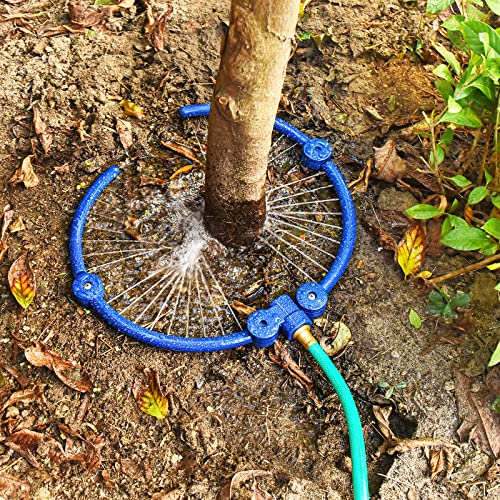
【Specially Designed for Trees and Shrubs】 The Watering Ring is a multi-purpose irrigation ring that attaches to a garden hose to efficiently water young trees shrubs vegetables or flower beds using drip or trickle irrigation.It directs water to the root perimeter of the plant to give them a good start during the first two growing seasons or through periods of drought.

NO MORE HARD INSTALLATION - SET UP IN MINUTES. Tired of struggling with stiff barbed fittings? This drip irrigation system features quick-connect fittings that let you push, lock, and secure tubing effortlessly. No tools, no leaks, just a smooth setup experience. Enjoy a frustration-free installation and get your garden watering system running in minutes.

🍀【Extra-Long 50FT 5/16” Mainline Tubing】 With 50 feet of premium 5/16” main tubing, you have more flexibility to build a central watering path across larger garden layouts. The enhanced flow capacity supports multiple emitters with consistent water pressure throughout your irrigation zones.
Essential Tasks for Grapefruit Tree Care
Caring for grapefruit trees in Norfolk, VA requires a tailored approach to ensure healthy growth and fruit production. This section outlines the essential tasks that every gardener should prioritize, from soil preparation to pest management, to cultivate thriving trees in the Tidewater region. Understanding these key care practices will help maximize your grapefruit harvest.
Maintaining grapefruit trees involves regular tasks to ensure their health and productivity.
| Task | Frequency | Purpose |
|---|---|---|
| Pruning | Annually | Shape tree and remove dead branches |
| Fertilizing | Every 6-8 weeks | Support growth and fruiting |
| Pest Monitoring | Weekly | Detect and manage infestations |
| Watering | Weekly | Ensure adequate moisture |
Regular maintenance ensures the longevity and productivity of your grapefruit trees.
Frost Protection Strategies for Grapefruit Trees
In Norfolk, VA, grapefruit trees face unique challenges due to the region’s fluctuating temperatures and potential frost events. Implementing effective frost protection strategies is essential for ensuring healthy growth and fruit production. This section explores practical methods to safeguard your grapefruit trees against frost damage, helping you achieve a successful harvest in the Tidewater area.
Frost can be detrimental to grapefruit trees, especially in Norfolk’s winter months.
Cover Trees: Use frost cloths or blankets to protect trees during cold snaps.
Mulch: Apply mulch around the base to insulate roots.
Location: Plant in a sheltered area to reduce frost exposure.
Taking these precautions can safeguard your trees from frost damage.
Optimal Harvest Timing for Grapefruit
Understanding the best time to harvest grapefruit is crucial for maximizing flavor and yield. In Norfolk, VA, the unique climate conditions influence the timing and quality of the fruit. This section will delve into the optimal harvest periods, ensuring you reap the benefits of your grapefruit trees at their peak.
Timing your harvest is essential for optimal flavor and quality. Grapefruits typically ripen in late winter to early spring.
Check Color: Look for a vibrant color indicating ripeness.
Taste Test: Sample a fruit to assess sweetness.
Harvest Carefully: Use pruning shears to avoid damaging the tree.
Harvesting at the right time ensures the best flavor and quality for consumption.
