

Have you ever planted a lemon tree and found yourself eagerly waiting for those bright, juicy fruits to appear? You’re not alone. Many gardeners share the excitement of nurturing a lemon tree, only to wonder when they’ll finally see the rewards of their hard work.
Understanding when your lemon tree will bear fruit can be tricky. Factors like age, variety, and care all play a role in the timeline. This article will guide you through the essential information you need to know. With a little patience and the right knowledge, you’ll be enjoying homegrown lemons sooner than you think.
Key Takeaways
- Growth Stages: Lemon trees go through critical growth stages including germination, early development, flowering, and fruit development, each impacting their fruiting timeline.
- Age Matters: Lemon trees typically start producing fruit between 3 to 5 years of age; older trees yield larger and more abundant crops.
- Environmental Factors: Optimal fruiting occurs in warm, subtropical to tropical climates, requiring at least 6 to 8 hours of sunlight daily and protection from cold temperatures.
- Proper Care: Regular watering (every 7 to 14 days), fertilization (every 4 to 6 weeks), and annual pruning significantly enhance the fruit production potential of lemon trees.
- Signs of Readiness: Look for white or pink flowers indicating healthy pollination and small green fruits developing as clear signs that your tree is ready to bear fruit.
- Pest and Nutritional Management: Address pests and nutritional deficiencies early to maintain tree health and maximize fruit yield. Regular monitoring and prompt action are essential for a successful harvest.
Understanding Lemon Tree Growth Stages
Understand the key growth stages of your lemon tree to manage expectations and encourage fruiting. Every stage plays a vital role in the development of your tree.
Germination
Germination marks the beginning of your lemon tree’s life cycle. It typically takes 2 to 3 weeks for seeds to sprout under optimal conditions. You’ll need to provide warmth, moisture, and proper drainage. Plant seeds in a lightly moistened soil mix, and keep them in a warm location. Ensure the soil stays consistently damp but not soggy. Once the seedlings emerge, thin them to one strong plant.
Early Development
The early development stage lasts from 6 months to a year. During this phase, your lemon tree focuses on establishing roots and growing foliage. You should water it regularly, allowing the topsoil to dry slightly between waterings. Fertilize every 4 to 6 weeks with a balanced fertilizer to promote healthy growth. As your tree grows, ensure it receives at least 6 to 8 hours of sunlight daily. A strong foundation during this stage sets your tree up for future fruiting.
Factors Affecting Fruit Bearing
Several factors influence when your lemon tree starts bearing fruit. Understanding these elements can help you create the right conditions for fruit production.
Recommended Products

CITRUS PLANT FOOD: This avacado, mango and citrus fruit tree fertilizer feeds plants for up to 3 months and nourishes above and below the soil

FOR USE ON: Use Citrus-tone organic fertilizer for all citrus trees, including lemon, lime, orange, Meyer Lemon Trees as well as for avocado & nut trees
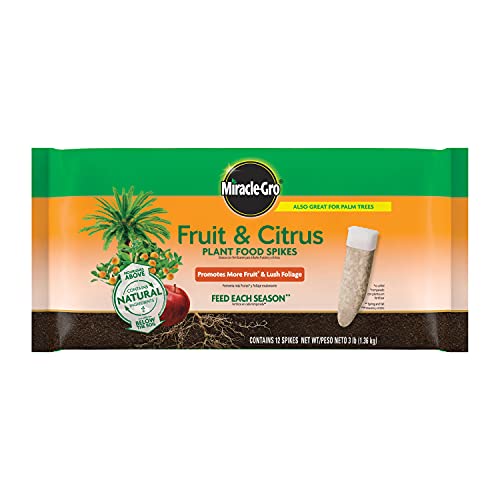
FORMULATED FOR CITRUS AND FRUIT TREES: Use these citrus fertilizer spikes on apple, orange, lemon, lime, and avocado trees; this formula is also great for feeding palm trees
Age of the Tree
Age plays a crucial role in fruit production. A lemon tree typically starts to bear fruit between 3 to 5 years after planting. Younger trees might produce flowers and fruit, but the yield usually remains low. For optimal fruiting, wait until the tree is mature, as older trees (5+ years) yield larger and more abundant crops.
Environment and Climate
Your tree’s environment significantly affects its fruiting. Lemon trees thrive in warm, subtropical to tropical climates with temperatures ranging from 70°F to 85°F. Cold temperatures below 30°F can damage the tree and delay fruiting. If you live in a cooler area, consider growing your lemon tree in a pot for easy relocation during cold spells. Ensure your tree receives full sunlight for at least 8 hours daily to promote healthy growth and flowering.
Care and Maintenance
Proper care and maintenance directly impact fruit production. Here are some key practices:
- Watering: Water your lemon tree deeply every 7 to 14 days. Let the soil dry slightly between waterings. Consistency is essential, as overwatering or underwatering can affect fruit yield.
- Fertilization: Fertilize your tree every 4 to 6 weeks with a balanced fertilizer. Look for fertilizers specifically formulated for citrus trees, as they contain necessary nutrients like nitrogen, phosphorus, and potassium.
- Pruning: Prune your lemon tree annually to remove dead or crossing branches. This encourages better airflow and sunlight penetration, helping your tree focus energy on fruit production.
By understanding these factors, you increase your chances of enjoying a bountiful harvest from your lemon tree.
Signs That Your Lemon Tree Is Ready to Bear Fruit
Recognizing when your lemon tree is ready to bear fruit involves observing specific growth stages and signs. These indicators ensure that the tree is healthy and primed for fruit production.
Recommended Products

Let our professionally formulated plant food help your citrus tree grow healthy, strong AND abundantly producing

Made for Lemon & Citrus Trees – Formulated to support healthy growth in lemon and citrus plants.

Made for Lemon & Citrus Trees – Formulated to support healthy growth in lemon trees and citrus plants
Flowering Stage
The flowering stage is a crucial phase in the life of a lemon tree. During this time, the tree produces blossoms that are essential for fruit development. Look for the following:
- White or pink blossoms: Lemon tree flowers typically bloom in clusters, displaying a fragrant aroma. A healthy tree can produce numerous flowers.
- Pollination: Successful pollination of these flowers is vital. If you notice bees or other pollinators visiting, that’s a good sign your tree may bear fruit soon.
- Timing: Flowering usually occurs in spring, depending on the climate. Trees that flower consistently signal that they are well-established.
Signs of Fruit Development
Observing the early signs of fruit development will further confirm your lemon tree’s readiness. Check for these indicators:
- Small green fruits: Once pollination occurs, you may begin to notice tiny green lemons beginning to form. This indicates that the tree is transitioning toward fruit production.
- Fruit size: Over time, these small fruits will grow larger. Keep an eye on their size weekly to assess healthy growth.
- Branch strength: Strong, healthy branches will support fruit development. Weak branches may struggle under the weight of fruit, indicating that additional care may be needed.
Monitoring these signs can help you gauge your lemon tree’s fruit-bearing potential, allowing you to take steps to enhance its growth and productivity.
Common Issues and Solutions
Managing a lemon tree involves addressing common issues that can affect fruit production. This section outlines two primary concerns: pests and diseases, along with nutritional deficiencies.
Recommended Products

PLANT DISEASE CONTROL: Natria Neem Oil acts as an insecticide and fungicide in one convenient spray; Ready-to-use trigger sprayer requires no mixing

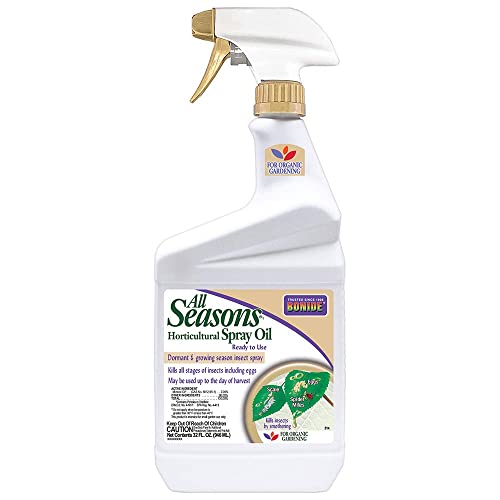
Control insects and diseases in your home garden with All Seasons Horticultural and Dormant Spray Oil Concentrate; use year-round to control listed insects and diseases
Pests and Diseases
Identifying pests and diseases early helps maintain a healthy lemon tree. Common pests include aphids, spider mites, and scale insects.
- Aphids: These small, soft-bodied insects suck sap, causing leaves to curl. Use a strong stream of water or insecticidal soap to remove them.
- Spider Mites: Mites thrive in dry conditions. Look for tiny webs on leaves. Increase humidity or apply neem oil to control them.
- Scale Insects: These appear as small, brown bumps on stems and leaves. Use rubbing alcohol on a cotton swab to eliminate them.
Common diseases include powdery mildew and root rot.
- Powdery Mildew: This fungal disease appears as white powder on leaves, often in humid environments. Treat by improving air circulation and applying fungicides.
- Root Rot: Caused by overwatering, root rot leads to wilting and yellowing leaves. Ensure proper drainage and only water when the top inch of soil feels dry.
Nutritional Deficiencies
Nutritional deficiencies can hinder your lemon tree’s fruiting ability. Common deficiencies include nitrogen, magnesium, and iron.
- Nitrogen: Essential for leaf growth, nitrogen deficiency results in yellowing leaves. Use a balanced fertilizer every 4 to 6 weeks to address this.
- Magnesium: A magnesium deficiency manifests as yellowing between leaf veins. Epsom salt can help; apply 1 tablespoon per gallon of water every month.
- Iron: When iron is lacking, leaves turn yellow with green veins, signaling iron chlorosis. Chelated iron can reverse this; apply according to package directions.
Addressing these issues promptly not only enhances your lemon tree’s health but also increases the likelihood of a fruitful harvest.
Conclusion
Growing a lemon tree is a rewarding journey filled with patience and care. By understanding the factors that influence fruiting and keeping an eye on your tree’s health, you’re setting yourself up for success. Remember to provide the right environment and proper maintenance to encourage those beautiful blossoms and juicy lemons.
As you nurture your tree, enjoy the process and celebrate each milestone along the way. Before you know it, you’ll be savoring the fruits of your labor right from your own backyard. Happy gardening!
Frequently Asked Questions
When will my lemon tree start to bear fruit?
Lemon trees typically begin to bear fruit between 3 to 5 years after planting. The tree’s age, variety, and care significantly influence this timeline. Older trees (over 5 years) usually produce larger and more abundant crops.
What are the growth stages of a lemon tree?
The growth stages of a lemon tree include germination (2-3 weeks), early development (6 months to 1 year), and then continued growth before fruiting. During these stages, proper care, including warmth, moisture, and good drainage, is essential.
How much sunlight does a lemon tree need?
Lemon trees thrive in full sunlight, requiring at least 8 hours of direct sunlight each day. Adequate sunlight is crucial for healthy growth and fruit production.
What care do lemon trees require?
To ensure healthy growth, lemon trees need regular watering every 7 to 14 days, fertilization every 4 to 6 weeks, and annual pruning. These practices help promote fruit production and overall tree health.
What signs indicate my lemon tree is ready to bear fruit?
Signs that your lemon tree is ready to bear fruit include the production of fragrant white or pink blossoms during the flowering stage and the development of small green fruits after successful pollination. Observing these can signal the approach of a harvest.
How can I prevent pests from harming my lemon tree?
To prevent pests like aphids and spider mites, regularly inspect your lemon tree and remove any affected leaves. Natural remedies, such as insecticidal soap or neem oil, can help manage infestations without harming the tree.
What common diseases affect lemon trees?
Common diseases affecting lemon trees include powdery mildew and root rot. To combat these issues, ensure proper watering practices, good airflow around the tree, and consider fungicide treatments if necessary.
How can I address nutritional deficiencies in my lemon tree?
Nutritional deficiencies in lemon trees can be addressed by using a balanced fertilizer. Pay attention to signs of deficiencies, such as yellowing leaves, and consider adding fertilizers rich in nitrogen, magnesium, and iron as needed.
