

Wondering when to prune your fruit trees? You’re not alone. Many gardeners face this question, eager to boost their tree’s health and fruit production. Pruning can seem tricky, but getting the timing right is key to a thriving orchard.
Key Takeaways
- Understanding Pruning’s Importance: Pruning is essential for maintaining the health of fruit trees, encouraging growth, and optimizing fruit production.
- Optimal Pruning Times: The best times to prune fruit trees are during the winter (late dormant season to early spring) and summer (post-harvest but before fall dormancy).
- Signs of When to Prune: Look for indicators like dead or diseased branches, pest infestations, and overcrowded growth to determine when to prune.
- Effective Pruning Techniques: Utilize basic cuts like thinning and heading cuts, as well as advanced methods like crown reduction and espalier for proper tree management.
- Boosting Tree Vitality: Timely and effective pruning promotes light penetration and air circulation, enhancing overall tree health and fruit quality.
- Safety Precautions: Always use sharp tools for clean cuts and wear protective gear to safeguard against injuries while pruning.
Understanding Pruning
Pruning is a crucial practice for maintaining fruit trees. It encourages healthy growth and optimal fruit production. Timing and technique significantly impact your tree’s health and yield.
Importance of Pruning Fruit Trees
Pruning promotes light penetration and air circulation within the tree’s canopy. Removing dead or diseased branches helps prevent the spread of pests and diseases. Controlled growth fosters a stronger branch structure, reducing the risk of breakage during fruiting. You’ll notice better fruit quality when you prune effectively.
Benefits of Timely Pruning
Timely pruning enhances the vitality of your fruit trees. It stimulates new growth, improving fruit set and size. Early spring or late winter often serves as the best time for most species. Trees can better absorb nutrients and water, and fruits ripen more evenly. Consistent pruning creates a manageable tree size, making harvesting easier. If you aim for a fruitful harvest, pruning at the right time is essential.
Best Times to Prune Fruit Trees
Pruning fruit trees at the right time boosts their health and fruit production. Two primary periods are ideal for pruning: winter and summer.
Recommended Products
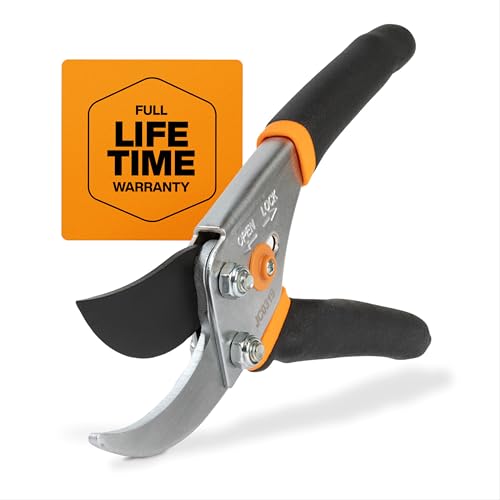
CLEAN CUTS FOR LIVE GROWTH: Bypass blade design is ideal for pruning delicate flower stems and green growth, helping reduce crushing and plant damage while cutting stems and small branches up to 5/8” in diameter

· ULTRA-SHARP SK5 STAINLESS STEEL - Engineered with premium SK5 stainless steel, these heavy duty pruning shears deliver razor-sharp precision and maximum hardness. The rust-resistant blades are designed to stay sharp longer, effortlessly resisting corrosion and sap buildup for smooth, friction-free garden shears performance year after year.

LONG-LASTING SHARPNESS: Japanese SK5 bypass blade with titanium coating is tested through 5,000 cuts to maintain a sharp edge and deliver clean, consistent cuts on live stems and branches
Winter Pruning
Winter pruning typically takes place from late dormant season to early spring. During this period, trees are inactive, making it easier to see their structure. Pruning in winter enhances air circulation and light penetration. Focus on these key points:
- Remove Dead or Damaged Wood: Cut back branches that are dead, diseased, or damaged. This practice prevents disease spread, promoting better overall health.
- Shape the Tree: Aim to create a balanced structure. Thin out crowded branches to allow light and air to reach inner growth.
- Timing: Complete winter pruning before buds swell. This timing minimizes stress on the tree and supports a healthy spring growth.
Summer Pruning
Summer pruning occurs when the tree is actively growing. This timing helps manage growth and shape the tree to maintain its size. Consider these strategies:
- Trim Excess Growth: Prune young branches that grow outwards. This action encourages energy to focus on fruit production rather than foliage.
- Thin Fruit Set: Remove some small fruits if they look overcrowded. This thinning can enhance the size and quality of remaining fruits.
- Timing: Prune summer fruit trees after the harvest but before fall dormancy. This approach allows the tree to recover and prepare for winter.
By adhering to these pruning times, you can support your fruit trees’ health and productivity, leading to plentiful harvests each season.
Signs That It’s Time to Prune
Recognizing the right time to prune fruit trees involves observing specific signs indicating their health and growth patterns. Monitoring these signs helps you determine the best course of action for your trees.
Recommended Products

[Cut & Hold Pole Pruner for Tree Trimming] This long reach cut and hold pruner makes it easy to grip and remove branches, flowers, or fruit without dropping them. Perfect as a pole fruit picker for harvesting lemons, oranges, apples, or persimmons, and for trimming shrubs and bushes without climbing a ladder.
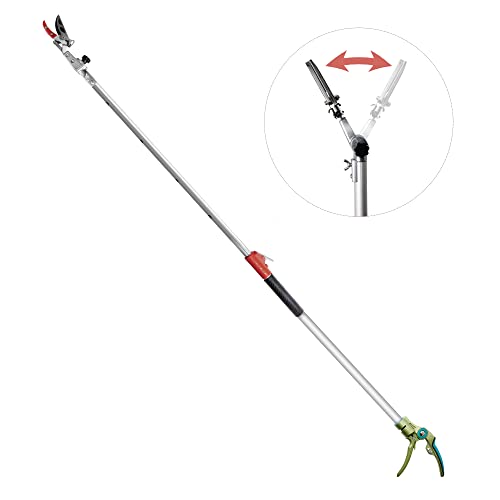
[Helpful Garden Tool] GARTOL brings to you a lightweight and extendable pruning tool to reach out to the least approachable arenas of your garden. You can conveniently get across other plants to remove the fastgrowing brambles and sting nettles without getting scratched or hurt. For gardening lovers, the telescopic pruner cutter head can can be rotated which resolves mobility issues and gives you the pleasure of trimming your garden without bending down or using a ladder to climb and cut them.
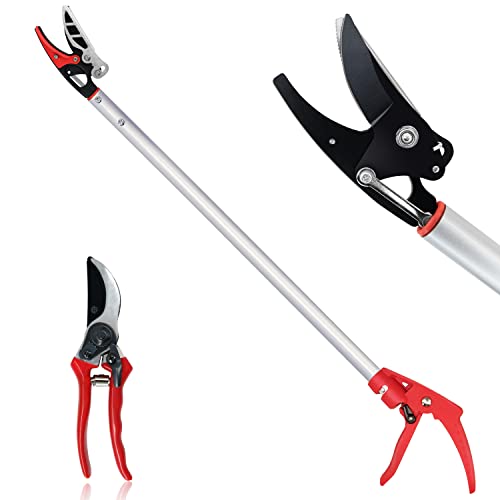
Long Handle Design: 32" handle length of the cut and hold pruners reduces back pain and stress, eliminating the need to bend over for trimming; It can also easily stretches to higher branches or thorns.
Tree Health Indicators
Look for these key indicators to assess your tree’s health:
- Dead or Diseased Branches: Inspect branches for any signs of disease, including dead leaves, discoloration, or decay. Remove these sections to prevent the spread of illness.
- Pest Infestations: Check for infestations, like aphids or spider mites, that damage leaves or fruit. Pruning affected areas improves air circulation and reduces pest habitats.
- Weak Growth: Notice branches that appear spindly or weak. Pruning these encourages stronger growth and reallocation of resources to healthier branches.
- Crowding and Overgrowth: Identify branches that overlap or rub against each other. Thinning these areas enhances light and air penetration.
Size and Shape Considerations
Evaluate your tree’s size and shape for effective pruning decisions:
- Unbalanced Shape: Assess the tree for symmetry. If it appears lopsided, selectively prune branches to create a balanced structure that promotes even growth.
- Excessive Height: If the tree grows too tall, prune to maintain a manageable height. This allows easier access for harvesting and care.
- Fruit Spacing: Examine how closely fruit clusters are spaced. Thinning overcrowded fruit sets improves fruit size and quality, reducing competition for nutrients.
- Opening the Canopy: Aim for an open canopy to promote stability and light penetration. Prune inner branches that block sunlight, benefiting overall growth.
Pay attention to these signs for optimal fruit tree pruning. They’ll guide your decisions, ensuring your trees thrive and produce a bountiful harvest each season.
Techniques for Pruning
Pruning techniques are essential for maintaining the health and productivity of your fruit trees. Proper execution ensures strong growth and fruitful harvests.
Recommended Products

DUAL CUTTING POWER: VERSATILE PRUNING COMBO --- With both Pruning Shears and Pruning Snip, this combo delivers unmatched versatility. Whether you're delicately trimming flowers and shrubs, tackling thicker tree branches, or tending to your vegetable and fruit garden, our combo pack excels in all areas. They're also perfect for landscaping projects and maintaining the health and appearance of indoor plants. With this pack, you have a versatile tool that simplifies your gardening tasks.

Reduce Hand Strain: These micro tip snips are made to reduces hand fatigue which makes them great for those with arthritis, carpal tunnel, hand or wrist issues; Comfortable “grip” handles will make it easy to work for long-time use without making you feel hand pain
Basic Pruning Cuts
Basic pruning cuts include thinning cuts and heading cuts.
- Thinning Cuts: Remove entire branches or stems back to the main trunk or to a lateral branch. This technique promotes air circulation, light exposure, and reduces overcrowding.
- Heading Cuts: Trim the tip of a branch to encourage bushier growth. This method is useful for controlling tree height and improving branch strength.
For example, if a branch grows too long or in an unwanted direction, a thinning cut can redirect energy to healthier branches.
Advanced Pruning Techniques
Advanced techniques focus on shaping and managing tree structure for optimal fruit production.
- Crown Reduction: Involves selectively cutting back the upper part of the tree to control height while maintaining canopy balance. This enhances light distribution and aids fruit ripening.
- Espalier: A method that involves training branches to grow flat against a wall or trellis. This technique maximizes space and creates an aesthetic appeal while promoting fruit production.
- Renewal Pruning: Involves removing older wood to allow new growth. This is particularly beneficial for older trees that produce diminishing yields, as it rejuvenates the tree’s vigor.
For best results, use sharp pruning shears to ensure clean cuts, which promote quick healing and minimize the risk of disease. Remember to wear gloves and safety goggles when pruning, protecting yourself from debris and sharp tools.
Conclusion
Pruning your fruit trees at the right time can make all the difference in their health and productivity. By focusing on winter and summer pruning, you can ensure your trees get the care they need to thrive.
Remember to keep an eye out for signs that indicate when it’s time to prune and use the right techniques to promote strong growth. With a little attention and care, you’ll be on your way to enjoying a bountiful harvest season after season. Happy pruning!
Frequently Asked Questions
When is the best time to prune fruit trees?
Pruning fruit trees is best done during two primary time periods: winter and summer. Winter pruning occurs from late dormant season to early spring, allowing for better visibility and structure assessment. Summer pruning takes place during the growing season, focusing on controlling growth and fruit quality.
What are the signs that indicate it’s time to prune fruit trees?
Look for dead or diseased branches, weak growth, overcrowding, and pest infestations as key signs. Additionally, assess the tree’s shape and size to maintain balance and ensure proper fruit spacing, which will help you determine the right time to prune.
What are basic pruning techniques for fruit trees?
Basic pruning techniques include thinning cuts, which remove entire branches for better air circulation, and heading cuts, which trim branch tips to encourage fuller growth. These cuts help maintain the tree’s health and promote optimal fruit production.
Why is pruning important for fruit trees?
Pruning enhances light penetration, improves air circulation, and promotes healthy growth. It helps prevent pests and diseases by removing damaged branches and fosters a stronger tree structure, which can reduce breakage during fruiting and improve overall yield.
How do I safely prune my fruit trees?
To prune safely, use sharp pruning shears for clean cuts, which promote quick healing. Always wear gloves and goggles to protect yourself from injury. Ensure your tools are sterilized to minimize the risk of disease transmission between trees.
