

Have you ever wondered why your male papaya tree isn’t producing any fruit? You’re not alone. Many gardeners face this frustrating issue, especially when they’ve invested time and care into their plants. Male papaya trees are essential for pollination, but they don’t bear fruit themselves.
Key Takeaways
- Male Papaya Trees Do Not Bear Fruit: Male papaya trees are crucial for pollination but will not produce fruit themselves, which often leads to confusion among gardeners.
- Pollination is Key: A well-balanced ratio of male to female papaya trees (ideally 1:2) is essential for successful fruit production, as female trees rely on male trees for pollen.
- Environmental Factors Matter: Optimal growing conditions, including temperature, soil type, watering, and sunlight, significantly affect fruit production in papaya trees.
- Effective Pollination Techniques: To enhance fruit setting, consider encouraging natural pollinators, hand-pollinating flowers, or using hormonal treatments to stimulate flower and fruit development.
- Grafting Enhances Production: Grafting a male tree’s top onto a female tree can combine the benefits of pollination and fruit production, boosting overall yield.
- Regular Maintenance is Essential: Proper pruning and fertilization practices not only promote healthy growth in male papaya trees but also support effective pollination and improved fruit quality in the garden.
Understanding Male Papaya Trees
Male papaya trees play a vital role in the papaya ecosystem, primarily in pollination. However, you won’t see these trees produce fruit, leading to confusion among gardeners.
Characteristics of Male Papaya Trees
Male papaya trees exhibit distinct characteristics that set them apart from their female counterparts.
- Flower Structure: Male trees produce long, slender flowers that grow directly from the trunk or branches. These flowers contain pollen but lack the ovary needed to develop fruit.
- Growth Habit: Male papaya trees typically grow taller and have a more upright structure compared to female trees. Their height can reach up to 20 feet, providing a clear visibility advantage in a garden setting.
- Pollination Role: Male trees release large amounts of pollen, necessary for fertilizing female flowers. Without the presence of male trees, female trees struggle to produce fruit.
Importance of Fruit-Bearing Trees
Understanding the role of female papaya trees changes the gardening approach.
- Pollination Dependency: Female papaya trees require pollen from male trees to produce fruit. A garden with a balanced ratio of males to females increases the chances of successful fertilization.
- Quality and Yield: Healthy pollination results in higher yields and better quality fruit. Having several male trees within proximity to female trees ensures effective pollination.
- Biodiversity Promotion: Including both male and female trees contributes to a diverse garden ecosystem. This variety supports a healthier environment, attracting beneficial insects that promote pollination.
Gardening with an awareness of male papaya trees encourages better practices and enhances overall plant productivity.
Factors Affecting Fruit Production
Understanding factors that influence fruit production in papaya trees is essential for successful gardening. Several components play a pivotal role in ensuring that female trees produce fruit effectively.
Recommended Products
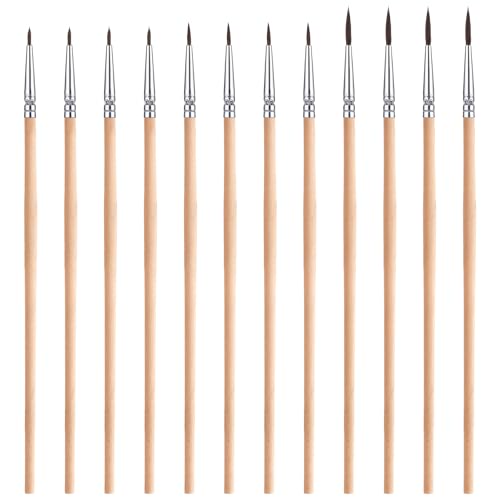
Efficient Pollination: You will receive 12pcs pollination brushes in three different sizes, designed to improve the pollination efficiency of indoor hydroponic plants and greenhouse gardens, and you can choose the right brush to solve the problem of low fruit

Hand Pollination Brush: With 10 different sizes, our pollination brushes cater to a variety of plants, ensuring precise and efficient pollen transfer for every garden.

Precise Hand Pollination: This pollination pen supports manual pollination for vegetables, fruits, and flowers, helping you transfer pollen with more than relying on and making it a practical vegetable pollinator tool for garden use
Environmental Conditions
Environmental factors significantly affect fruit production.
- Temperature: Papaya thrives in warm climates. Ideal temperatures range from 70°F to 95°F. Cold conditions can damage flowers.
- Soil Type: Well-draining sandy or loamy soil supports healthy growth. Poor drainage may lead to root rot and hinder fruiting.
- Watering: Consistent watering promotes healthy development. Avoid overwatering, as it can adversely affect roots.
- Sunlight: Full sunlight exposure for at least 6 to 8 hours daily enhances flower and fruit production.
Creating optimal environmental conditions increases the chances of successful fruit setting on female trees.
Pollination Requirements
Pollination is crucial for fruit development in papaya trees.
- Male Trees: Ensure an adequate number of male trees exist alongside female trees for effective pollination. A 1:2 ratio of male to female trees is ideal.
- Pollinator Activity: Encourage beneficial insects like bees to visit your garden. You can attract them by planting flowering companions near papaya trees.
- Artificial Pollination: For best results, consider hand-pollinating. Gently transfer pollen from male flowers to female flowers using a small brush, especially in low insect activity conditions.
Addressing these pollination requirements can lead to fruitful outcomes in your papaya gardening efforts.
Techniques to Encourage Fruit Bearing
Encouraging fruit bearing in male papaya trees involves specific techniques that can improve overall garden productivity. Below are two effective methods to consider.
Recommended Products

Product Details: You will receive 3 grafting tapes, 1 roll of green and 2 rolls of white tape, each 3 cm (1-1/5 inches) wide and 120 m (394 feet) long

Used for budding and grafting plants, quick healing for cambium contact, effectively increase the survival rate of seedlings;

Biodegradable in sunlight, allow gasses to pass through
Grafting Male Trees
Grafting can enhance the potential of male papaya trees to contribute to fruit production. Graft a male tree’s top onto a healthy female tree. This method harnesses the benefits of the male tree’s pollination abilities while ensuring that the plant can produce fruit.
- Choose a Healthy Female Tree: Select a disease-free female plant with good growth.
- Prepare the Graft Site: Make a clean cut at a 45-degree angle on the female tree where the graft will attach.
- Select a Male Cutting: Take a healthy cutting from a male tree, ideally with flowers just beginning to open.
- Join the Two Plants: Align the male cutting with the female tree’s cut, ensuring proper contact between the cambium layers.
- Secure the Graft: Use grafting tape or a suitable material to hold the graft in place.
- Care for the Graft: Keep the grafted area moist, avoiding direct sunlight until it takes root.
This promotes a more fruitful tree while maintaining the essential role of the male in pollination.
Using Hormonal Treatments
Hormonal treatments can stimulate the growth of fruit-bearing structures in both male and female papaya trees. Apply plant hormones such as gibberellins or auxins to enhance flowering and fruit set.
- Select the Right Hormones: Gibberellins can boost flower development, while auxins help with fruit set.
- Prepare the Solution: Follow the manufacturer’s instructions to create the correct concentration for application, usually diluted with water.
- Apply at the Right Time: Apply the hormone solution during the flowering phase to maximize fruit development.
- Use a Spray Bottle: Lightly spray the solution directly onto the flowers of both male and female trees for even distribution.
- Repeat as Necessary: Reapply every few weeks during the flowering season for optimal results.
These techniques can significantly boost your fruit-bearing success while utilizing the male trees effectively in your garden.
Care and Maintenance Practices
Caring for your male papaya tree ensures a vibrant and productive garden. Proper maintenance techniques significantly enhance the effectiveness of pollination and overall plant health.
Recommended Products


FORMULATED FOR CITRUS AND FRUIT TREES: Use these citrus fertilizer spikes on apple, orange, lemon, lime, and avocado trees; this formula is also great for feeding palm trees

Supports Roots, Foliage & Structure – Helps encourage strong roots and steady plant development.
Proper Pruning Techniques
Prune your male papaya tree regularly to promote healthy growth. Start by removing any dead or damaged branches. This encourages better airflow and reduces the risk of disease. Trim back any competing branches that hinder upward growth, aiming for a single trunk structure. For optimal results, prune after the flowering period to limit stress on the plant. Always use clean, sharp tools to avoid infections.
Fertilization Guidelines
Fertilize your male papaya tree to ensure it receives essential nutrients. Apply a balanced fertilizer, such as a 10-10-10 NPK formula. Spread 1 to 2 pounds of fertilizer around the base of the tree every 6 to 8 weeks during the growing season. Water thoroughly after application to aid nutrient absorption. Additionally, consider incorporating organic matter, such as compost, to enhance soil health and improve microorganisms. Use soil tests to determine nutrient deficiencies and adjust your fertilization accordingly.
Conclusion
Getting your male papaya trees to play their part in fruit production can be a rewarding journey. By understanding their role in pollination and ensuring you have a good balance of male and female trees, you’re setting up your garden for success.
Don’t forget to pay attention to environmental factors like soil, sunlight, and watering. With the right care and techniques like grafting or using hormonal treatments, you can enhance your chances of a fruitful harvest.
Enjoy the process of nurturing your garden and watch it thrive as you create a vibrant ecosystem that benefits both your plants and the local wildlife. Happy gardening!
Frequently Asked Questions
Why don’t male papaya trees produce fruit?
Male papaya trees do not produce fruit because they lack the reproductive structures necessary for fruit development. Instead, they grow long, slender flowers that release pollen to fertilize female flowers, which then bear fruit.
What is the ideal ratio of male to female papaya trees?
A 1:2 ratio of male to female papaya trees is recommended for effective pollination. This helps ensure that female trees receive enough pollen for optimal fruit setting and yields.
What environmental conditions are necessary for papaya trees?
Papaya trees thrive in temperatures between 70°F to 95°F. They require well-draining sandy or loamy soil, consistent watering, and at least 6 to 8 hours of full sunlight daily for healthy growth and fruit production.
How can pollination be enhanced in papaya trees?
To enhance pollination in papaya trees, encourage beneficial insects like bees and consider hand-pollination, especially in areas with low insect activity. This will help improve fruit development and overall yield.
What techniques can help male papaya trees bear fruit?
Techniques such as grafting and hormonal treatments can help male papaya trees contribute to fruit production. Grafting involves attaching a male tree’s top to a female tree, while hormonal treatments stimulate flowering and fruit set.
How should male papaya trees be maintained?
Regular care for male papaya trees includes pruning to remove dead branches, promoting airflow, applying balanced fertilizers, and incorporating organic matter into the soil for enhanced health and productivity.
