

Have you ever wondered how long you’ll have to wait before your fig tree starts producing those delicious fruits? If you’ve planted a fig tree, you’re probably eager to see the rewards of your hard work. Fig trees can be a delightful addition to your garden, but the timeline for fruiting can vary quite a bit.
Key Takeaways
- Timeframe for Fruiting: Most fig trees bear fruit within 3 to 5 years after planting, with variations depending on the variety (e.g., Brown Turkey Fig may produce in 2-3 years).
- Varietal Differences: Different types of fig trees mature at different rates; for instance, Brown Turkey figs fruit sooner than Black Mission figs.
- Optimal Growing Conditions: Fig trees thrive in well-drained soil, full sun (6-8 hours daily), and regular watering, which can speed up fruit production.
- Essential Care Practices: Key care techniques include maintaining soil quality, proper watering routines, regular fertilization, and annual pruning to promote tree health and fruit yield.
- Signs of Ripeness: Recognizable indicators of ripe figs include color changes, slight softness, and small wrinkles near the stem—harvesting when these signs are present ensures maximum sweetness.
- Pest Management: Stay vigilant against pests like fig beetles and scale insects, and address root rot and powdery mildew to maintain healthy fig trees and optimal fruit production.
Understanding Fig Trees
Fig trees are unique and fascinating plants. They thrive in various climates, producing sweet and nutritious fruit sought after by many gardeners.
Types of Fig Trees
You’ll find several types of fig trees, each with distinct characteristics. Here are a few popular varieties:
- Common Fig (Ficus carica): Most commonly grown for its edible fruit. It flourishes in warm climates and adapts well to container gardening.
- Black Mission Fig: Known for its dark purple skin and sweet flavor. This variety is ideal for warmer areas, yielding delicious figs.
- Kadota Fig: Features a yellow-green skin with a mild flavor. It excels in both fresh consumption and culinary uses.
- Brown Turkey Fig: This variety has a brownish-purple skin and is tolerant of cooler temperatures, making it versatile for various climates.
Growth Conditions for Fig Trees
Fig trees flourish under specific conditions. Ensuring optimal growth conditions leads to healthier trees and quicker fruit production. Keep these factors in mind:
- Soil: Well-drained, sandy loam is ideal. You can mix in organic matter to enhance drainage and nutrients.
- Sunlight: Figs require full sun exposure, ideally 6-8 hours a day to ensure robust growth and fruiting.
- Water: Regular watering is essential, especially during dry spells. Be cautious not to overwater; allow the soil to dry between waterings.
- Temperature: Fig trees love warm weather. They thrive in temperatures between 75°F and 100°F, but some varieties can tolerate cooler climates.
By selecting the right types of fig trees and providing suitable growth conditions, you increase the chance of enjoying a fruitful harvest sooner.
Timeframe for Fig Trees to Bear Fruit
Fig trees typically take some time to bear fruit after planting. The specific timeframe can depend on various factors. Understanding these elements can make the wait more manageable.
Recommended Products

100% Natural: Custom blend for Fiddle Leaf Fig Tree (Lyre Leaf Fig Tree); no artificial ingredients

Made for Fiddle Leaf Fig Plants – Specially formulated fiddle leaf fig fertilizer designed for ficus trees and indoor plant care.
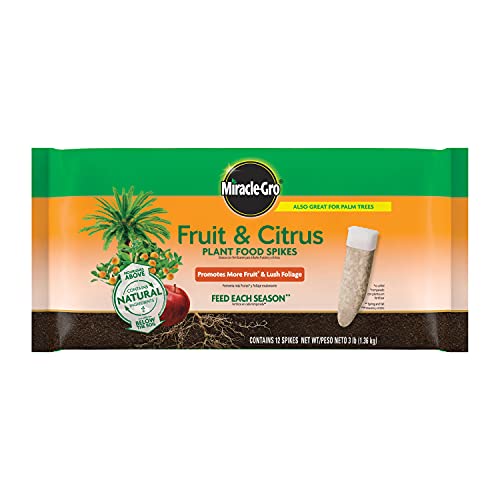
FORMULATED FOR CITRUS AND FRUIT TREES: Use these citrus fertilizer spikes on apple, orange, lemon, lime, and avocado trees; this formula is also great for feeding palm trees
Factors Influencing Timeframe
- Variety of Fig Tree: Different varieties mature at different rates. For instance, the Brown Turkey Fig sets fruit earlier than the Black Mission Fig.
- Age at Planting: Younger fig trees take longer to bear fruit compared to older, established trees. Trees that are one or two years old may produce sooner.
- Growing Conditions: Optimal conditions significantly influence fruiting time. Well-drained soil, full sun, and regular watering encourage quicker fruit development.
- Climate: Fig trees thrive in warm, temperate climates. Areas with cool winters may affect the fruiting timeline due to slower growth rates.
Average Time Until Fruit Production
Most fig trees start to produce fruit within three to five years after planting. Here’s a breakdown by variety:
| Fig Tree Variety | Average Time to Bear Fruit |
|---|---|
| Common Fig | 3-4 years |
| Black Mission Fig | 4-5 years |
| Kadota Fig | 3-4 years |
| Brown Turkey Fig | 2-3 years |
By choosing the right variety and providing ideal growing conditions, you can look forward to enjoying your sweet figs in just a few years.
Caring for Fig Trees
Caring for fig trees is essential to ensure a healthy yield. Understanding key care tips and managing potential pests and diseases promotes optimal growth and fruit production.
Recommended Products

Accurate Soil Moisture Detection: The XLUX Soil Moisture Meter can tell you if the soil deep inside your pot or garden is dry, moist or wet; whereas your eyes and fingers can only determine the moisture level of the soil surface. The probe is 5.5 inches (14 cm) longer than regular styles, allowing it to measure the soil moisture at the bottom of larger and deeper flower pots.

Trusted Since 2015: Become one of the many plant lovers who rely on the proven accuracy of XLUX. Established in 2015, our soil moisture meter has earned over 60,000+ verified ratings for its consistent performance. While many many newer brands come and go, we provide the long-term reliability and quality that American households have trusted for over a decade.

OPTIMIZE FIDDLE LEAF FIG CARE. Harness the power of the Houseplant Resource Center's soil moisture meter for plants. Get precise readings for your fiddle leaf fig, ensuring it gets the right nutrition and attention, optimizing growth and health.
Essential Care Tips
- Soil Quality: Ensure well-drained, loamy soil. Fig trees thrive in slightly acidic to neutral pH levels, ideally between 6.0 and 6.8.
- Watering Routine: Water deeply but infrequently. Aim for 1-2 inches of water weekly, particularly during dry spells. Avoid waterlogging to prevent root rot.
- Sunlight Exposure: Place your fig tree in a spot with full sun. Aim for at least 6-8 hours of direct sunlight daily to encourage vigorous growth and fruiting.
- Fertilization Schedule: Fertilize in early spring using a balanced fertilizer. Follow the manufacturer’s instructions for application rates to avoid over-fertilizing and burning roots.
- Pruning Techniques: Prune annually during the dormant season to encourage air circulation. Remove dead, damaged, or crowded branches to improve overall tree health.
- Mulching Practices: Apply organic mulch around the base. This retains soil moisture, suppresses weeds, and improves soil quality as it decomposes.
- Fig Beetle: Look for small, shiny beetles that damage leaves. Hand-picking or using insecticidal soap can control populations.
- Scale Insects: Identify these small, flat insects on branches. Treat with horticultural oil or insecticidal soap to eliminate infestations.
- Root Rot: Recognize wilted leaves or stunted growth as signs of root rot. Ensure proper drainage and avoid excessive watering to prevent this issue.
- Powdery Mildew: Watch for white mold on leaves. Improve air circulation and use fungicides as needed to tackle outbreaks.
- Fig Worms: Monitor for small caterpillars that feed on fruits. Handpick or apply targeted insecticides to control these pests.
Understanding these care tips and watching for common pests and diseases sets a strong foundation for your fig tree’s success. By following these guidelines, you can enjoy a bountiful harvest in just a few years.
Harvesting Figs
Figs are best harvested when fully ripe, ensuring maximum sweetness and flavor. Understanding when and how to harvest increases your yield and enjoyment of this delicious fruit.
Signs of Ripe Figs
- Color Change: Ripe figs often change color depending on the variety. Common figs shift from green to purple or brown.
- Softness: Gently squeeze the figs; they should feel slightly soft. Hard figs indicate they’re not ready for harvest.
- Wrinkles: Look for small wrinkles near the stem, signaling ripeness. Wrinkled skin indicates that the fruit has transitioned from growing to ready for picking.
- Fall: Figs can naturally drop from the tree when ripe. If you see figs on the ground, it’s time to check the tree for additional ripe fruits.
- Harvest Timing: Pick figs during the morning when temperatures are cooler. This helps preserve their quality.
- Use Clean Hands or Tools: Use pruning shears or scissors to cut figs, avoiding damage to the tree and other fruit. Clean tools prevent disease spread.
- Gently Twist and Pull: When harvesting, twist the fig gently while pulling down. This method minimizes the risk of bruising the fruit.
- Handle with Care: Figs bruise easily, so place them carefully in a basket or box. Avoid stacking them too high to prevent squishing.
- Check for Insects: Inspect figs for pests like fig beetles or fig worms. Remove any affected fruits to maintain tree health.
Conclusion
Growing fig trees can be a rewarding journey filled with anticipation. While you might need to wait a few years for your trees to bear fruit it’s all about patience and care. By choosing the right variety and providing optimal growing conditions you can set yourself up for a fruitful harvest.
Remember to keep an eye on your trees and nurture them through their early years. Before you know it you’ll be enjoying the sweet rewards of your hard work. So hang in there and enjoy the process of watching your fig trees grow. Your future self will thank you when those delicious figs are ready to be picked!
Frequently Asked Questions
How long does it take for a fig tree to produce fruit?
Most fig trees start producing fruit within three to five years after planting. The timeframe varies by variety: the Common Fig and Kadota Fig typically take 3-4 years, the Black Mission Fig 4-5 years, and the Brown Turkey Fig can bear fruit as soon as 2-3 years.
What are the best growing conditions for a fig tree?
Fig trees thrive in well-drained, loamy soil with full sun exposure. They appreciate regular watering, warm temperatures, and adequate sunlight. Providing these optimal conditions enhances the chances of an earlier and bountiful harvest.
What are popular varieties of fig trees?
Popular fig tree varieties include the Common Fig, Black Mission Fig, Kadota Fig, and Brown Turkey Fig. Each has unique characteristics, flavors, and varying timelines for fruit production, making them suitable for different garden settings and tastes.
How should I care for my fig tree?
To care for fig trees, ensure well-drained soil, establish a consistent watering routine, and provide plenty of sunlight. Additionally, follow a fertilization schedule and implement annual pruning to promote healthy growth and fruit production.
What pests and diseases affect fig trees?
Common pests include fig beetles, scale insects, and fig worms, while diseases may involve root rot and powdery mildew. Implementing management strategies, like maintaining good hygiene and applying appropriate treatments, can help keep fig trees healthy.
How do I know when figs are ripe for harvesting?
Ripe figs show signs like a color change, softness, and slight wrinkles near the stem. Harvesting in the morning preserves the quality and sweetness, and you should gently twist and pull the figs to avoid bruising when picking them.
