

Have you ever wondered which fruit trees would thrive in your backyard? Choosing the right trees can feel overwhelming, especially with so many options out there. But understanding your local climate and soil conditions is key to growing a fruitful garden.
Key Takeaways
- Understanding your climate zone is essential for selecting fruit trees that will thrive in your area, based on temperature and weather patterns.
- Familiarize yourself with hardiness zones, which classify regions by minimum winter temperatures, to ensure the trees you choose can survive local conditions.
- Consider factors such as soil quality, sunlight exposure, water availability, and wind exposure to create a conducive environment for your fruit trees.
- Select fruit trees that are suited for your specific climate—tropical, temperate, or arid—for optimal growth and fruit production.
- Thoroughly assess your soil type and conduct tests to determine its pH and nutrient levels, enabling better decision-making for tree selection and care.
- Choose native species when possible for greater adaptability and benefits to local wildlife, while also considering disease-resistant varieties to minimize maintenance needs.
Understanding Your Climate Zone
Understanding your climate zone is crucial for selecting fruit trees that thrive in your area. Climate zones indicate the typical temperature ranges and weather patterns, helping you choose trees suited for local conditions.
Hardiness Zones Explained
Hardiness zones classify regions based on minimum winter temperatures. The USDA Plant Hardiness Zone Map divides the U.S. into 13 zones, numbered from 1 to 13. Each zone represents a temperature range. For example, Zone 6 has a minimum temperature between 0°F and -10°F. Knowing your hardiness zone allows you to select trees that can survive winter conditions specific to your region.
Factors Affecting Tree Growth
Several factors dictate the success of your fruit trees:
- Temperature Fluctuations: Extreme temperature changes can stress trees. Ensure your selected trees are appropriate for your temperature conditions.
- Soil Quality: Test soil pH and drainage. Optimal pH for most fruit trees ranges from 6.0 to 7.0.
- Sunlight Exposure: Most fruit trees need at least 6 to 8 hours of sunlight daily. Observe sunny spots in your yard for tree placement.
- Water Availability: Consistent watering is vital during the growing season. Consider your local rainfall patterns and plan irrigation accordingly.
- Wind Exposure: Strong winds can damage young trees. Plant windbreaks if your yard is exposed.
By understanding these elements, you can create a conducive environment for your fruit trees, boosting their growth and fruit production.
Popular Fruit Trees for Various Climates
Selecting the right fruit trees for your local climate ensures healthy growth and abundant fruit production. Here’s a breakdown of popular fruit trees for different climates.
Recommended Products


🌱 4 Unique Fruit Bonsai Varieties: Includes 40 total seeds: 10 Papaya, 10 Peach, 10 Cherry, and 10 Banana seeds. A fun and unique collection for growing miniature fruit trees and experimenting with bonsai growing techniques.
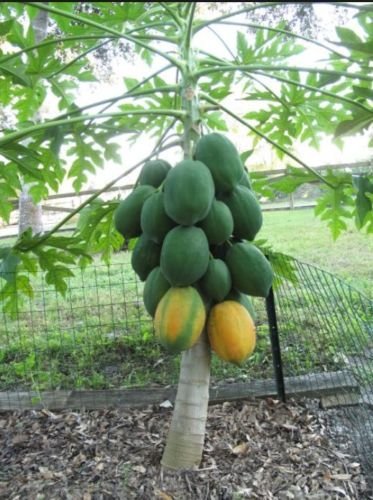
Here are 10 Dwarf Waimanalo papaya seeds (And we always throw in a few extra!). These seeds are very fresh and were just harvested. The Dwarf Waimanalo papaya is an uncommon variety of dwarf papaya that tastes extremely sweet and delicious.
Tropical Regions
In tropical regions, high humidity and warm temperatures favor a variety of fruit trees. Consider these options:
- Mango: This tree thrives in well-drained soils and requires full sunlight. Fruits typically ripen in 3 to 5 years.
- Papaya: Fast-growing and suitable for small gardens, papayas produce fruits within a year.
- Banana: Ideal for tropical climates, bananas require consistent watering and warm temperatures to flourish.
Temperate Regions
Temperate regions enjoy distinct seasons, including chilly winters. Here are fruit trees that perform well:
- Apple: These trees grow best in well-drained, loamy soils and show resilience to cold. Expect fruit in 3 to 5 years.
- Cherry: Sweet and tart varieties thrive, needing full sun and well-drained soils. Cherries bear fruit within 4 to 7 years.
- Peach: Peaches require warm summers and chilling hours. They generally yield fruit in 3 to 4 years.
Arid Regions
In arid climates, select drought-tolerant fruit trees to ensure success. Here are popular choices:
- Fig: Figs adapt well to dry conditions and prefer well-drained soil. They begin producing fruit in 1 to 2 years.
- Pomegranate: These trees flourish in hot, dry climates and can tolerate drought once established. Fruit appears in 2 to 3 years.
- Date Palm: Best suited for sandy soil, date palms thrive in extreme heat, producing dates after 4 to 8 years.
Choosing fruit trees that match your climate brings the potential for a fruitful harvest. Each tree type offers unique benefits, so consider your local conditions carefully.
Soil Considerations for Fruit Trees
Understanding soil conditions is essential for successful fruit tree growth. Different fruit trees thrive in varying soil types, making it crucial to assess your local soil structure before planting.
Recommended Products

Quick, at home results for Soil pH, Nitrogen, Phosphrous and Potash

Quick, at home results for Soil pH, Nitrogen, Phosphorous and Potash Innovative and inexpensive soil test kit features an easy-to-use capsule system and patented color comparators

KNOW BEFORE YOU GROW | Grow the healthiest, sustainable lawn and garden with the most accurate and easy to use professional soil test kit on the market
Soil Types and Their Impact
You’ll encounter several soil types, including clay, sandy, silt, and loam. Each type affects water retention and nutrient availability in distinct ways:
- Clay Soil: Clay is dense and holds moisture, but it drains poorly. It’s ideal for trees like cherries, which enjoy water but require proper drainage.
- Sandy Soil: Sandy soil offers excellent drainage but loses water quickly. Trees such as peach and apple can adapt but require consistent watering.
- Silt Soil: Silt retains moisture well and provides good fertility. It suits a variety of trees, including pears and figs.
- Loam Soil: Loam is a balanced mixture of clay, sand, and silt. This type supports healthy growth for most fruit trees, like plums and grapes, due to its nutrients and drainage capabilities.
Testing Your Soil
Testing your soil provides crucial information about its pH, nutrient levels, and structure. Follow these steps for effective soil testing:
- Collect Soil Samples: Use a trowel to gather samples from different areas of your yard. Aim for about 1 cup of soil from each location.
- Mix Samples: Combine the gathered samples in a clean container to get a representative sample of your yard.
- Use a Soil Test Kit: Purchase a soil test kit from a garden center or online. Follow the instructions to test for pH, nitrogen, phosphorus, and potassium levels.
- Send Samples to a Lab: For detailed analysis, consider sending your sample to a local agricultural extension office or lab for comprehensive testing.
- Interpret Results: Review your soil test results to understand its composition. Adjust your soil with amendments like compost, manure, or fertilizers based on your findings.
By addressing soil considerations, you enhance the potential success of your fruit trees, leading to bountiful harvests in your local environment.
Selecting the Right Fruit Trees
Choosing the right fruit trees requires careful consideration of local conditions and preferences. Pay attention to factors such as climate, soil type, and available space to create an ideal growing environment.
Native vs. Non-Native Species
Native species often thrive best in your area since they’re adapted to local conditions. Consider options like elderberry or black walnut. These trees provide benefits beyond fruit, like attracting beneficial wildlife and enhancing local biodiversity. Non-native species can also succeed but may need extra care. For example, citrus trees might require attention to manage pests and ensure proper nutrients. Weigh the pros and cons of both when making your selection.
Disease Resistance and Maintenance
Select disease-resistant varieties to reduce maintenance efforts and enhance productivity. Look for apples with resistance to common diseases like scab and fire blight. Choose varieties that suit your climate; for example, plum trees resistant to brown rot can thrive in humid areas. Regular maintenance, including pruning and sanitation, keeps trees healthy and productive. Implement a routine that includes checking for pests and diseases, which helps ensure a bountiful harvest.
Conclusion
Choosing the right fruit trees for your area can be a rewarding adventure. By considering your local climate and soil conditions you’re setting yourself up for success.
Remember to think about the specific needs of each tree type and how they fit into your garden. Whether you opt for native species or explore non-native options there’s a world of flavors waiting to be discovered.
With a little patience and care your backyard can flourish with delicious fruits that not only satisfy your taste buds but also bring joy to your outdoor space. Happy planting and enjoy the fruits of your labor!
Frequently Asked Questions
What should I consider when choosing fruit trees for my backyard?
When selecting fruit trees, consider your local climate, soil conditions, and personal preferences. Understanding your climate zone and hardiness is vital, as it determines which trees can thrive in your area. Additionally, knowing your soil type and its nutrient availability ensures the best growth conditions for your chosen trees.
How do I determine my climate zone?
You can determine your climate zone by referencing the USDA Plant Hardiness Zone Map. This map categorizes regions based on average temperature ranges, helping you identify which fruit trees are suitable for your area. Local gardening centers can also provide insights into climate conditions specific to your location.
What soil types are best for growing fruit trees?
Fruit trees thrive in various soil types, but loamy soil is typically ideal due to its balanced texture, moisture retention, and nutrient availability. Clay soil retains moisture well but can be dense, while sandy soil drains quickly and may require more watering. Assess your soil type for optimal tree selection.
Why are native fruit tree species beneficial?
Native fruit tree species, like elderberry and black walnut, are well-adapted to local environments, enhancing biodiversity and requiring less maintenance. They typically resist local pests and diseases better than non-native species, leading to more successful growth and fruit production in your garden.
How do I care for my fruit trees?
Caring for fruit trees involves regular pruning, pest management, and monitoring for diseases. It’s essential to provide adequate water, especially during dry spells, and to amend soil as needed for optimal growth. Consistent care helps ensure healthy plants and a bountiful harvest each season.
