

Have you ever wondered if your mango tree will bear fruit every year? If you’re a mango lover or someone who’s planted one in your backyard, this question might keep you up at night. After all, the sweet, juicy fruit is a reward for your hard work and care.
Key Takeaways
- Annual Fruit Production: Mango trees can typically bear fruit each year, but factors like climate, soil quality, and tree health can influence consistency and yield.
- Optimal Conditions: Ideal growing conditions include warm temperatures (70°F – 100°F) and well-drained, nutrient-rich sandy loam soil to enhance fruit production.
- Maturity Matters: Young mango trees (3-5 years) produce fewer fruits, while mature trees (10-15 years) can yield significantly higher amounts, reaching 100 to 300 mangoes per season.
- Best Care Practices: Proper pruning, fertilization, and watering techniques are crucial for maximizing fruit yield and maintaining tree health.
- Challenges to Monitor: Pests, diseases, and environmental stresses like drought or frost can negatively impact fruit production; proactive management is essential.
- Species Variation: Different mango varieties (e.g., Haden, Tommy Atkins, Kent) may exhibit distinct fruit-bearing behaviors and resilience to conditions, influencing annual yields.
Overview of Mango Trees
Mango trees thrive in tropical and subtropical climates. You can find them in regions like South Asia, the Caribbean, and parts of Florida. These trees prefer warm temperatures and well-drained, sandy soils.
Mango trees grow to heights between 30 and 100 feet, depending on the variety and growing conditions. Their broad, evergreen leaves can reach lengths of up to 12 inches. Trees can start producing fruit as early as three to five years after planting.
Mango trees typically bloom in late winter to early spring. After pollination, the fruit develops and matures over several months. On average, a mature mango tree can produce between 100 to 300 mangoes per season.
While mango trees often produce fruit annually, several factors can influence this consistency. These factors include tree health, climate conditions, and care practices. Ensuring proper watering, fertilization, and pruning can enhance fruit production. Regular monitoring for pests and diseases is also crucial for a healthy tree.
In ideal conditions, you can enjoy rich harvests of sweet mangoes every year. With proper care, your mango tree has the potential to provide fruit reliably throughout its lifespan.
Factors Influencing Fruit Production
Several factors directly affect the fruit production of mango trees. Understanding these elements helps optimize your tree’s yield and ensures you enjoy sweet mangoes every year.
Climate Conditions
Climate plays a crucial role in mango tree productivity. Mango trees thrive in warm, tropical, and subtropical climates. Ideal temperatures range between 70°F and 100°F. Exposure to frost can damage blossoms, leading to reduced fruit set. Supplementary irrigation during dry spells also promotes fruit production.
Soil Quality
Soil quality significantly impacts mango tree growth and fruiting. Well-drained, sandy loam soils with a pH between 5.5 and 7.5 support optimal growth. Nutrient-rich soil enhances tree health, leading to abundant yields. Regular soil testing can help you adjust fertilization practices based on nutrient deficiencies.
Tree Age
Tree age affects fruit production frequency and quantity. Young trees, between 3 and 5 years old, typically produce fewer fruits. As trees mature, usually between 10 to 15 years, their fruiting capacity increases significantly. Mature trees can deliver over 300 mangoes in a growing season, provided they receive proper care and attention.
Do Mango Trees Bear Fruit Every Year?
Mango trees typically bear fruit each year, though factors affect their consistency and quantity. Understanding the cycles of fruit production helps you manage expectations.
Typical Fruit Bearing Cycle
Mango trees follow a fruit-bearing cycle that usually aligns with seasonal changes. Most trees bloom from late winter to early spring. During this time, flowers develop, which later transform into fruit. If conditions are favorable, you’ll see mangoes ripening by mid to late summer. A healthy, mature mango tree, usually between 10 and 15 years old, can produce 100 to 300 mangoes in the growing season.
Occasionally, trees may skip a year of fruiting. This often occurs due to stress from weather conditions like drought or extreme temperatures. Proper care can help mitigate these risks and promote consistent annual yields.
Variations by Species
Different mango species can influence fruit-bearing consistency. Common types include:
- Haden: This variety typically bears fruit annually, producing sizeable, flavorful mangoes.
- Tommy Atkins: Known for resilience, this mango often yields fruit every year and adapts well to varying conditions.
- Kent: This species also shows a reliable annual yield, excelling in rich, well-drained soil.
As you care for your mango tree, consider its species to understand its unique behaviors and needs better. Regular monitoring, proper fertilization, and pest control contribute to ensuring consistent fruit production.
Best Practices for Encouraging Fruit Production
To maximize fruit production in your mango trees, implement key practices that support their health and productivity. Follow these guidelines for better results.
Recommended Products
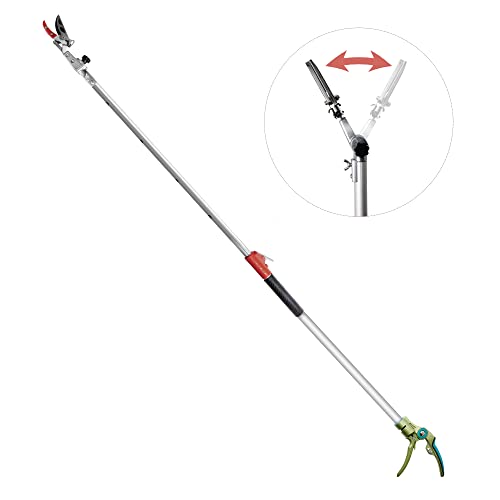
[Helpful Garden Tool] GARTOL brings to you a lightweight and extendable pruning tool to reach out to the least approachable arenas of your garden. You can conveniently get across other plants to remove the fastgrowing brambles and sting nettles without getting scratched or hurt. For gardening lovers, the telescopic pruner cutter head can can be rotated which resolves mobility issues and gives you the pleasure of trimming your garden without bending down or using a ladder to climb and cut them.

[Cut & Hold Pole Pruner for Tree Trimming] This long reach cut and hold pruner makes it easy to grip and remove branches, flowers, or fruit without dropping them. Perfect as a pole fruit picker for harvesting lemons, oranges, apples, or persimmons, and for trimming shrubs and bushes without climbing a ladder.

IDEAL BRANCH TRIMMER: Tree pruner that extends from 7.9 to 12 feet; Lightweight aluminum pole weighing less than five pounds to help minimize fatigue; Ideal for cutting high branches, or making low cuts without bending or kneeling
Proper Pruning Techniques
Pruning your mango tree enhances air circulation and sunlight exposure, essential for fruit production. Focus on the following steps:
- Timing: Prune in the winter or early spring before new growth starts.
- Remove Dead Wood: Cut any dead or damaged branches to promote new growth.
- Shape the Tree: Aim for an open center to encourage airflow. Trim back excessive growth to maintain a manageable height.
- Thin Fruit Clusters: When blossoms develop, thin overcrowded clusters to reduce competition for nutrients.
Applying these techniques helps your mango tree allocate energy toward producing quality fruit rather than merely supporting excess foliage.
Fertilization and Watering
Proper fertilization and watering practices significantly influence mango fruit yield. Here’s how to effectively care for your tree:
- Soil Testing: Conduct a soil test every couple of years. Adjust fertilizer types based on nutrient deficiencies.
- Fertilizer Schedule: Use a balanced fertilizer (like a 10-10-10 NPK mix) during growing seasons. Apply in spring and again in late summer.
- Watering Routine: Water deeply but infrequently. Mango trees flourish with 1-2 inches of water per week, especially during dry spells.
- Mulching: Apply a layer of organic mulch. This conserves moisture and improves soil quality as it breaks down.
By following these practices, you stimulate healthy growth and encourage your mango trees to bear fruit consistently.
Common Challenges
Mango trees can face various challenges that impact their fruit production. Understanding these issues helps you manage your trees effectively.
Recommended Products
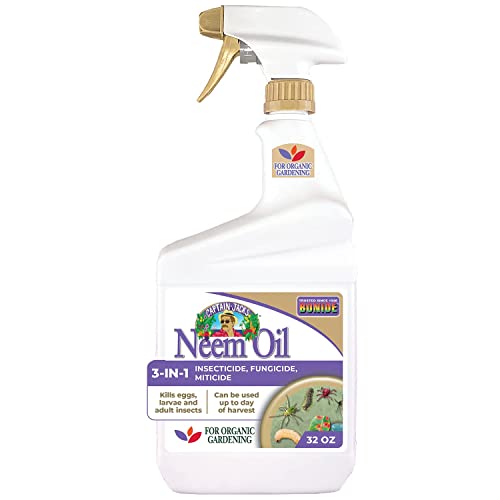
Protect your oasis with 3 garden products in 1 from Captain Jack’s; Bonide Captain Jack’s Ready-to-Use Neem Oil spray for plants is a multi-purpose fungicide, insecticide and miticide for your lawn & garden

CITRUS PLANT FOOD: This avacado, mango and citrus fruit tree fertilizer feeds plants for up to 3 months and nourishes above and below the soil

Protect your oasis with Captain Jack’s Neem Max Ready-to-Use Spray; this multipurpose product acts as a 4-in-1 insecticide, fungicide, miticide and nematicide
Pests and Diseases
Pests and diseases can significantly affect mango trees. Common pests include mango weevils, aphids, and scale insects. These pests suck the sap and weaken the tree. Effective management includes regularly inspecting your trees, removing any affected parts, and applying organic insecticides when necessary. Diseases such as powdery mildew and anthracnose can also cause problems. Preventing these diseases requires proper air circulation and avoiding overhead watering. Choosing disease-resistant mango varieties further aids in maintaining tree health.
Environmental Stresses
Environmental stresses influence mango fruiting. Factors like drought, extreme heat, and frost can harm tree health and fruit production. You can mitigate drought stress by ensuring deep, infrequent watering, especially during dry spells. Mulching around the base of the tree helps retain moisture and regulate soil temperature. If your area experiences frost, consider planting mango trees in sheltered locations or using frost cloths on cold nights to protect blossoms. Consistent monitoring of the weather allows you to take timely actions to shield your mango trees from these stresses.
Conclusion
Growing mango trees can be a rewarding experience filled with sweet rewards. While you can generally expect your tree to bear fruit each year there are times when it might take a break. Factors like climate conditions tree health and care practices play a significant role in this cycle. By staying proactive with proper watering fertilization and pest management you can help ensure a bountiful harvest.
So keep an eye on your mango tree and enjoy the journey of nurturing it. With a little patience and care you’ll be savoring those juicy mangoes in no time. Happy gardening!
Frequently Asked Questions
How long does it take for a mango tree to produce fruit?
Mango trees typically start producing fruit three to five years after planting. The exact timing depends on the tree’s age and growing conditions.
What climate is best for mango trees?
Mango trees thrive in tropical and subtropical climates, with warm temperatures between 70°F and 100°F. They are sensitive to frost, which can harm blossoms.
How many mangoes can a mature tree yield?
A mature mango tree can yield between 100 to 300 mangoes per season, with trees aged 10 to 15 years often producing over 300 fruits when well cared for.
What factors influence mango fruit production?
Several factors affect mango fruit production, including tree health, climate conditions, soil quality, and care practices like watering, fertilization, and pest management.
Can mango trees skip a year of fruit production?
Yes, mango trees can skip a year of fruit production due to stress from weather conditions, such as drought or extreme temperatures, or other environmental factors.
What are some common pests affecting mango trees?
Common pests include mango weevils, aphids, and scale insects, which can weaken trees. Regular inspections and organic insecticides can help manage these issues.
How often should I water my mango tree?
It is best to water mango trees deeply but infrequently to promote strong root development. Mulching can also help retain moisture in the soil.
What is the best way to fertilize mango trees?
Regular soil testing can help determine nutrient needs. A balanced fertilizer schedule, applied during growing seasons, ensures mango trees receive essential nutrients for optimal growth.
