

Have you ever wondered how that creamy avocado ends up on your toast? It all starts with the humble avocado tree, a fascinating plant that has its own unique way of producing fruit. If you’ve tried growing one or just enjoy the taste, understanding its fruit-bearing process can enhance your appreciation for this superfood.
Key Takeaways
- Reproductive Process: Avocado trees rely on a unique pollination process involving both self-pollination and cross-pollination due to their dichogamous flowers, which bloom female one day and male the next.
- Optimal Climate and Soil: These trees thrive in warm climates with temperatures between 60°F and 85°F and prefer well-draining soil with a pH of 6 to 7.5 to maximize fruit production.
- Life Cycle Duration: From seed to fruit-bearing maturity, avocado trees typically take between five to thirteen years, requiring proper care and conditions during all growth stages.
- Pollination Importance: Enhancing fruit set can often be achieved by planting multiple avocado varieties together, benefiting from improved pollination rates.
- Caring Techniques: Proper watering, fertilization, and annual pruning are critical practices for maintaining tree health and boosting fruit yield; deep watering and a balanced fertilizer regimen are particularly vital.
- Understanding Flower Structure: Avocado flowers have both male and female organs, with specific arrangements designed to facilitate effective pollination and fruit development.
Understanding Avocado Tree Reproduction
Avocado trees undergo a fascinating reproductive process that involves careful pollination and unique flower structures. Understanding these elements enhances your appreciation for the fruit.
Recommended Products

Imagine stepping into your backyard one day and seeing a strong, beautiful avocado tree that you grew from its very first stage. That simple moment instantly makes your space feel richer, greener, and more alive. That’s exactly what this Semil-34 Avocado Seedling gives you — a chance to invest in something that will continue to reward you in the future.

Natural & Chemical-Free Formula – 100% organic avocado plant food, fermented with multiple probiotics and free from harmful chemicals for safe, eco-friendly plant care.

Pollination Process
Pollination in avocado trees involves both self-pollination and cross-pollination. Most avocado varieties exhibit a phenomenon called dichogamy, where flowers open as female on one day and male on another.
- Female Phase: Flowers bloom in the morning, attracting pollen-carrying insects, such as bees. In this phase, the stigma is receptive.
- Male Phase: Flowers reopen the following day in the afternoon, releasing pollen from the anthers. During this phase, the stigma is no longer receptive.
Cross-pollination increases fruit set, so planting multiple trees can boost your yield. One popular strategy involves pairing types A and B varieties, which enhances pollen transfer.
Flower Structure
Avocado flowers consist of a unique structure designed for effective reproduction. Each flower has both male and female organs, which are critical for successful pollination.
- Perianth: A layer of petals that provides protection and attracts pollinators. Increased visibility can draw more insects.
- Stigma: The sticky part of the female organ where pollen lands. A receptive stigma enhances pollination chances.
- Anthers: The male part that houses pollen. Proper timing ensures that pollen is available when flowers are receptive.
The arrangement and timing of these structures work together to facilitate successful reproduction and fruit development. Understanding this can help you better manage your avocado trees for optimal fruit production.
Factors Influencing Fruit Production
Several factors impact the ability of an avocado tree to bear fruit. Understanding these components helps in cultivating healthier trees and maximizing yield.
Climate Requirements
Avocado trees thrive in warm climates. Ideal temperatures range from 60°F to 85°F (15°C to 29°C). Frost can damage flowers and young fruit, so planting in frost-free zones is crucial. Additionally, avocado trees prefer regions with minimal humidity. If you live in an area with high humidity, ensure proper air circulation around the trees.
Soil Conditions
Avocado trees flourish in well-draining soil. Sandy loam or clay loam types are optimal, as they prevent waterlogging. The soil’s pH level should ideally range from 6 to 7.5. Conducting a soil test helps determine nutrient levels and pH. Fertilizing with organic matter supports healthy root development.
Managing these factors effectively enhances fruit production and overall tree health, ensuring a fruitful harvest.
The Life Cycle of an Avocado Tree
An avocado tree goes through several distinct stages before bearing fruit. Understanding these stages enhances appreciation for this remarkable plant.
From Seed to Mature Tree
Starting from a seed, an avocado tree typically takes between five and thirteen years to mature and produce fruit. Planting the seed in well-draining soil and ensuring it receives adequate sunlight support healthy growth. During the initial phase, roots develop, establishing a foundation. You’ll see the seed sprout first, followed by leaves, and eventually, the tree grows to approximately 10 to 30 feet tall, depending on the variety.
Regular watering supports optimal growth. The tree requires consistent moisture, particularly during dry periods. A fertilization schedule also benefits the young tree, promoting robust development and resilience against disease.
Flowering Stage
The flowering stage marks a critical point in the life cycle. Avocado trees produce small, greenish-yellow flowers that emerge in clusters. These flowers typically bloom in the spring. The flowering stage involves two distinct phases: female and male. In the female phase, the flower stigma opens first, allowing for pollination. One day later, the male phase begins, where pollen becomes available.
This unique flowering process supports self-pollination but also encourages cross-pollination with other avocado varieties for enhanced fruit set. Planting multiple trees often leads to better pollination rates and improved fruit yields. Optimal pollination roots back to the timing of these phases and local bee activity, essential for transferring pollen.
Understanding these stages is vital for ensuring successful fruit production from your avocado tree.
Caring for Avocado Trees
Caring for avocado trees involves specific practices that support healthy growth and fruit production. Paying attention to watering, fertilization, and pruning techniques significantly influences your tree’s success.
Recommended Products

CITRUS PLANT FOOD: This avacado, mango and citrus fruit tree fertilizer feeds plants for up to 3 months and nourishes above and below the soil

🥑 AVOCADO ALLURE: Tailored to the unique needs of indoor avocado trees, our 3-1-2 Liquid Fertilizer Concentrate is your key to achieving the perfect balance of nitrogen, phosphorus, and potassium. This ensures your avocado tree thrives, bearing lush foliage and the promise of creamy, homegrown avocados.
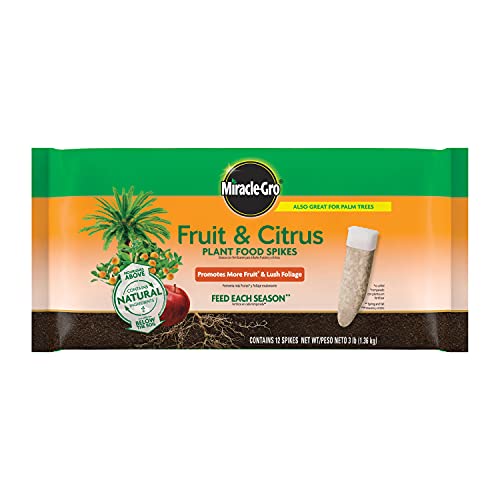
FORMULATED FOR CITRUS AND FRUIT TREES: Use these citrus fertilizer spikes on apple, orange, lemon, lime, and avocado trees; this formula is also great for feeding palm trees
Watering and Fertilization
Watering avocado trees requires a careful balance. Deep watering every one to two weeks is ideal, especially during dry spells. Ensure the soil dries out between waterings; overwatering leads to root rot.
Fertilization strengthens your tree’s growth. Use a balanced fertilizer with equal parts nitrogen, phosphorus, and potassium. Apply it in spring and again in late summer. Monitor leaf color; dark green leaves indicate good health, while yellowing signals nutrient deficiencies.
Pruning Techniques
Pruning helps maintain the shape of your avocado tree while promoting sunlight penetration. Aim to prune annually during late winter or early spring. Focus on removing dead or crossing branches to encourage better airflow.
Use clean, sharp tools to make precise cuts. For younger trees, prune to foster a strong central leader and remove any low branches to facilitate harvesting. For mature trees, thinning out dense areas opens the canopy, promoting fruit development.
Conclusion
Understanding how an avocado tree bears fruit can truly enhance your appreciation for this beloved fruit. By grasping the intricacies of pollination and the unique flowering process you can better manage your tree for optimal growth.
Remember that factors like climate and soil play a significant role in your tree’s health and productivity. With the right care practices such as proper watering and fertilization you can nurture your avocado tree to thrive.
So whether you’re growing your own or simply enjoying them in your meals knowing the journey from flower to fruit makes every bite even more satisfying. Happy growing and enjoying those delicious avocados!
Frequently Asked Questions
What is the avocado tree’s fruit-bearing process?
The avocado tree’s fruit-bearing process involves a unique reproductive cycle where flowers open as female one day, then male the next. This means avocado trees can self-pollinate and utilize cross-pollination, making planting multiple trees advantageous for higher fruit yields.
What climate is best for growing avocado trees?
Avocado trees thrive in warm climates with ideal temperatures between 60°F and 85°F. They are sensitive to frost, so it’s crucial to plant them in frost-free zones to ensure healthy growth and fruit production.
What type of soil do avocado trees need?
Avocado trees prefer well-draining soil, such as sandy loam or clay loam, with a pH level between 6 and 7.5. Proper soil conditions are vital for promoting healthy root development and maximizing fruit yield.
How long does it take for an avocado tree to mature?
An avocado tree typically takes between five and thirteen years to reach maturity and produce fruit. Factors like proper care and environmental conditions can influence the time it takes for the tree to bear fruit.
What care practices are essential for avocado trees?
Essential care practices for avocado trees include deep watering every one to two weeks, using a balanced fertilizer in spring and late summer, and regular pruning. These practices support healthy growth and encourage optimal fruit production.
How can I improve pollination for my avocado trees?
To improve pollination, plant multiple avocado trees to promote cross-pollination. Additionally, timing the flower phases and encouraging local bee activity can enhance pollination efficiency, leading to better fruit yields.
