Close Menu
    Fruit Tree Hub
    • Home
    • Apple Trees
    • Lemon Trees
    • Mango Trees
    • Orange Trees
    • More Trees
      • Best Fruit Trees
      • Apricot Trees
      • Cherry Trees
      • Fig Trees
      • Lime Trees
      • Mulberry Trees
      • Peach Trees
      • Pear Trees
      • Plum Trees
      • Pomegranate Trees
    • Tips and Advice
      • Tools
    • About Us
      • Contact
      • Privacy Policy
    Fruit Tree Hub
    Home»Planting»Banana Trees in Tucson, AZ: Heat-Tolerant Variety Success
    Planting

    Banana Trees in Tucson, AZ: Heat-Tolerant Variety Success

    Lucy SmithBy Lucy SmithOctober 7, 20256 Mins Read
    Share Facebook Twitter Pinterest WhatsApp Email
    Share
    Facebook Twitter LinkedIn Pinterest Telegram Email

    Growing banana trees in Tucson, AZ can be highly successful with the right heat-tolerant varieties. Selecting the appropriate species and understanding local climate conditions are crucial for thriving growth and fruit production.

    Contents show
    1 Recommended Heat-Tolerant Banana Varieties
    2 Tucson Climate Impact on Banana Trees
    2.1 Banana Tree Care for Optimal Growth
    3 Banana Tree Planting Best Practices
    3.1 Banana Tree Growth Cycles in Tucson
    4 Banana Tree Care and Common Challenges
    4.1 Overwatering Risks for Banana Trees
    5 Optimal Banana Harvesting Techniques
    6 Banana Grove Planning and Organization
    7 Growing Heat-Tolerant Banana Trees

    Recommended Heat-Tolerant Banana Varieties

    Choosing the right banana variety is essential for success in Tucson’s hot climate. The most recommended heat-tolerant varieties include the Dwarf Cavendish, Rajapuri, and Manzano. These varieties not only withstand high temperatures but also produce fruit within a shorter time frame.

    • Dwarf Cavendish: Known for its compact size and sweet fruit, it thrives in heat.

    • Rajapuri: This variety is prized for its resilience and flavorful bananas.

    • Manzano: Offers a unique taste and is also heat-tolerant.

    Recommended Products
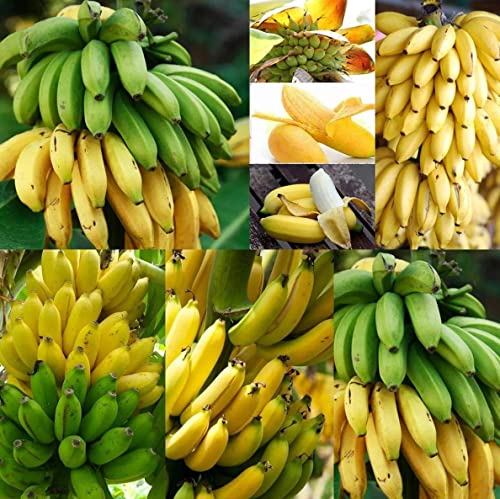
    Banana Tree Dwarf Cavendish (4 Pack) Live Banana Plant for Sale | Easy to Grow Plants | Edible Fruit Plant. | Grow Your own Food on Your Edible Organic Garden|Live for Planting|
    Banana Tree Dwarf Cavendish (4 Pack) Live Banana Plant for Sale | Easy to Grow Plants | Edible Fruit Plant. | Grow Your own Food on Your Edible Organic Garden|Live for Planting|

    Growing banana plants at home promotes sustainability and self-sufficiency. Customers can reduce their reliance on store-bought bananas, which often come from far distances, and enjoy the satisfaction of harvesting their own organic fruit.

    VIEW LATEST PRICE

    As an affiliate, we earn on qualifying purchases.

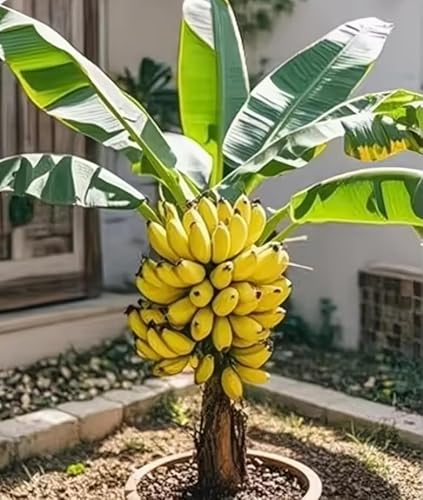
    Dwarf Cavendish Banana Tree Seeds, 20 Count, Sweet Edible Fruit Plant Limited Supply Order Now!
    Dwarf Cavendish Banana Tree Seeds, 20 Count, Sweet Edible Fruit Plant Limited Supply Order Now!

    GROWING SPECIFICATIONS: Dwarf Cavendish banana tree seeds thrive in warm climates, reaching heights of 6-8 feet when mature, perfect for home gardens

    MUST READ
    Growing Apple Trees in Raleigh, NC: Central Carolina Planting
    VIEW LATEST PRICE

    As an affiliate, we earn on qualifying purchases.

    2 Musa Basjoo Banana Tree/Hardy Banana Tree in 4 Inch Pots (2 Four Inch Pots with a Banana Starter Plant in Each Pot) Please be Mindful of Temps When Ordering. Do not Order in Extreme hot or Cold
    2 Musa Basjoo Banana Tree/Hardy Banana Tree in 4 Inch Pots (2 Four Inch Pots with a Banana Starter Plant in Each Pot) Please be Mindful of Temps When Ordering. Do not Order in Extreme hot or Cold

    The most hardy of all Bananas!! Can go down to -20 if mulched properly. Can get up to 18 feet tall, rapid growth in hot weather Full Sun. Bananas are not edible, merely for looks! Exercise caution and use your best judgment before ordering during unusually hot or cold weather (below 32 degrees F, or in excess of 95F for shipping purposes), as these extremes may leave your plant vulnerable to damage.

    VIEW LATEST PRICE

    As an affiliate, we earn on qualifying purchases.

    Tucson Climate Impact on Banana Trees

    Tucson experiences hot summers and mild winters, making it important to consider seasonal variations when planting. The average summer temperature often exceeds 100°F, while winter lows can drop to freezing. Understanding these conditions helps in planning planting and care routines.

    • Summer: High temperatures require adequate watering and shade.

    • Winter: Protect plants from frost with mulch or coverings.

    Banana Tree Care for Optimal Growth

    Caring for banana trees in Tucson requires an understanding of their unique needs in a hot desert climate. Proper attention to watering, soil conditions, and pest management can significantly enhance their growth and fruit production. This section outlines essential care practices to help these heat-tolerant varieties thrive in the challenging conditions of southern Arizona.

    MUST READ
    Dormant Oil on Olive Trees (The Most Efficient Protection Method)

    Proper care is vital for the health and productivity of banana trees. Regular watering, fertilization, and pest management are key components of successful cultivation.

    • Watering: Ensure consistent moisture but avoid waterlogging.

    • Fertilization: Use a balanced fertilizer every 6-8 weeks.

    • Pest Management: Monitor for common pests like aphids and spider mites.

    Care AspectRecommended ActionFrequency
    WateringDeep wateringWeekly
    FertilizationBalanced fertilizerEvery 6-8 weeks
    Pest ControlOrganic insecticidesAs needed

    Banana Tree Planting Best Practices

    Successfully planting banana trees in Tucson requires attention to specific best practices that cater to the region’s unique climate. Understanding soil conditions, watering techniques, and optimal planting times will ensure that these heat-tolerant varieties thrive in the desert environment. This section outlines essential guidelines for establishing and nurturing banana trees in this arid landscape.

    Planting techniques significantly influence the growth of banana trees. Proper spacing, soil preparation, and planting depth are crucial for healthy root development.

    • Spacing: Allow at least 8-10 feet between plants.

    • Soil Preparation: Use well-draining soil enriched with organic matter.

    • Planting Depth: Ensure the crown is level with the soil surface.

    Recommended Products

    Banana Plants Basjoo Includes Four (4) Plants Cold Hardy
    Banana Plants Basjoo Includes Four (4) Plants Cold Hardy
    VIEW LATEST PRICE

    As an affiliate, we earn on qualifying purchases.

    Pin This Now to Remember It Later
    Pin This
    Abyssinian Banana Tree Seeds for Planting (5 Seeds) - Ensete ventricosum
    Abyssinian Banana Tree Seeds for Planting (5 Seeds) - Ensete ventricosum
    VIEW LATEST PRICE

    As an affiliate, we earn on qualifying purchases.

    Dwarf Cavendish Banana Tree Starter, Live Banana Plant 5 Inches Height Bareroot, Fruit Tree Live Plant
    Dwarf Cavendish Banana Tree Starter, Live Banana Plant 5 Inches Height Bareroot, Fruit Tree Live Plant

    This is a cold hardy variety of banana grown from zones 6-10

    MUST READ
    Growing Apricot Trees in New Mexico: High Desert Success Tips
    VIEW LATEST PRICE

    As an affiliate, we earn on qualifying purchases.

    Banana Tree Growth Cycles in Tucson

    Understanding the growth cycles of banana trees in Tucson is essential for successful cultivation in this desert climate. With the right heat-tolerant varieties and proper care, these tropical plants can thrive despite the region’s challenging conditions. This section delves into the specific growth stages and seasonal considerations for banana trees in Tucson.

    Understanding seasonal growth patterns can help in maximizing yield. Banana trees typically grow rapidly during the warm months and slow down in winter.

    • Spring: Ideal for planting and fertilizing.

    • Summer: Focus on watering and pest management.

    • Fall: Prepare for winter by mulching and protecting plants.

    Banana Tree Care and Common Challenges

    Caring for banana trees in Tucson, AZ requires attention to their unique needs, especially given the region’s intense heat. Understanding common challenges such as pests, watering requirements, and soil conditions can significantly enhance their growth and fruit production. This section explores essential care tips and solutions to help ensure your banana trees thrive in the desert climate.

    Addressing common issues promptly can prevent larger problems. Some common challenges include yellowing leaves, poor fruit production, and pest infestations.

    • Yellowing Leaves: May indicate nutrient deficiency or overwatering.

    • Poor Fruit Production: Can result from inadequate sunlight or water stress.

    • Pest Infestations: Regular monitoring and treatment are necessary.

    Overwatering Risks for Banana Trees

    Overwatering can pose significant risks to banana trees, especially in the unique climate of Tucson, AZ. Understanding the delicate balance of moisture is crucial for these heat-tolerant varieties to thrive. This section explores the potential dangers of excessive watering and offers insights into maintaining optimal soil conditions for healthy growth.

    MUST READ
    Almond Trees in District of Columbia: Urban Space Success

    Avoid overwatering as it can lead to root rot, a common issue in banana cultivation.

    Optimal Banana Harvesting Techniques

    In Tucson’s unique climate, mastering the art of banana harvesting is essential for maximizing yield and fruit quality. Understanding the optimal techniques for harvesting can significantly impact the success of heat-tolerant banana varieties. This section delves into the best practices that ensure a fruitful harvest, tailored specifically for the challenges and opportunities presented by the region.

    Harvesting bananas at the right time ensures optimal flavor and texture. Bananas should be harvested when they are plump and the tips begin to yellow.

    • Timing: Typically 75-80 days after flowering.

    • Method: Cut the bunch with a sharp knife to avoid damage.

    Harvesting TimeAppearanceExpected Taste
    75 daysPlump with yellow tipsSweet and flavorful
    80 daysFully yellowOptimal ripeness

    Banana Grove Planning and Organization

    Planning and organizing a banana grove in Tucson requires careful consideration of the region’s unique climate and soil conditions. By selecting heat-tolerant varieties and implementing strategic layout and maintenance practices, growers can maximize their yield and ensure the health of their banana trees. Understanding these factors is crucial for successful cultivation in this arid environment.

    Establishing a successful banana grove requires planning and organization. Consider factors such as space, water access, and sunlight exposure when designing your layout.

    • Space: Ensure enough room for growth and air circulation.

    • Water Access: Plan for irrigation systems if necessary.

    • Sunlight Exposure: Choose a location with full sun for best results.

    Growing Heat-Tolerant Banana Trees

    In Tucson, AZ, the unique climate presents challenges for many plant species, but heat-tolerant banana trees thrive in this environment. This section explores the best practices for cultivating these resilient varieties, ensuring they flourish despite the intense summer heat. Discover the key factors that contribute to their successful growth in the desert landscape.

    MUST READ
    Can Apricot Trees Grow in South Dakota? (High Plains Secrets)

    Implement these strategies for growing heat-tolerant banana trees in Tucson. With the right care and attention, your banana grove can thrive in the desert climate.

    Share. Facebook Twitter Pinterest LinkedIn Tumblr Email
    lucy smith
    Lucy Smith
    • Website

    Lucy Smith is a highly experienced horticulturist with a passion for fruit tree cultivation. She holds a degree in Horticulture from the University of California, Davis, and has worked in various roles in the industry. With over 10 years of experience, Lucy is dedicated to using eco-friendly methods for sustainable gardening practices.

    Related Posts

    Persimmon Trees in a Pot in Massachusetts (Coastal Growth Manual)

    April 21, 2026

    Guava Trees in Glendale, AZ (Mastering Desert Heat Growth)

    April 21, 2026

    Fig Trees in Jacksonville, FL: Subtropical Planting Guide

    April 21, 2026

    Lemon Trees in New Jersey (Garden State Success Secrets)

    April 21, 2026

    How to Grow Jujube Trees in Baltimore, MD: City Secrets

    April 21, 2026

    Fig Trees in South Carolina: Pro Tips for Southern Success

    April 21, 2026
    Leave A Reply Cancel Reply

    Affiliate Disclosure

    As an Amazon Associate I earn from qualifying purchases.

    Recommended Reading

    What Is a Sidepass Pruner? Essential Maintenance Tips For Optimal Performance

    How to Properly Water Loquat Trees

    Can Apple and Peach Trees Be Planted Together?

    Can Almond Trees Grow in Memphis, TN? (Mid-South Success)

    When Will Your Tangerine Tree Bear Fruit? Timelines and Tips

    Do Lemon Trees Flower Before Fruiting and How This Affects Your Harvest

    Olive Trees in Philadelphia, PA (Urban Microclimate Secrets)

    Banana Trees in Corpus Christi, TX (Gulf Coast Salt-Tolerant)

    25 Trendy Beginner Knitting Ideas For Fresh Creativity

    Top Picks for Pleaching: Best Fruit Trees to Enhance Your Garden

    Fruit Tree Hub

    Fruit Tree Hub is a website dedicated to providing you everything you need to grow fruit trees successfully at in your own yard.

    Contact us at: [email protected]

    - AFFILIATE DISCLOSURE: As an Amazon Associate I earn from qualifying purchases.

    Latest Posts

    Persimmon Trees in a Pot in Massachusetts (Coastal Growth Manual)

    Guava Trees in Glendale, AZ (Mastering Desert Heat Growth)

    Fig Trees in Jacksonville, FL: Subtropical Planting Guide

    Lemon Trees in New Jersey (Garden State Success Secrets)

    How to Grow Jujube Trees in Baltimore, MD: City Secrets

    Fig Trees in South Carolina: Pro Tips for Southern Success

    Walnut Trees in a Pot in Wisconsin (Indoor Survival Methods)

    Grapefruit Trees in Philadelphia, PA (Urban Success Guide)

    Categories
    • Almond Trees
    • Apple Trees
    • Apricot Trees
    • Best Fruit Trees
    • Blackberry
    • Cantaloupe
    • Cherry Trees
    • Cucamelon
    • Easy Knitting Projects
    • Fig Trees
    • Grapefruit Trees
    • Grapes
    • Guava Trees
    • Honeydew
    • Jujube Trees
    • Kiwi
    • Knitting Designs
    • Knitting For Beginners
    • Knitting Inspiration
    • Lemon Trees
    • Lime Trees
    • Loquat Trees
    • Mango Trees
    • Mulberry Trees
    • Nectarine Trees
    • Olive Trees
    • Orange Trees
    • Papaya Trees
    • Peach Trees
    • Pear Trees
    • Persimmon Trees
    • Planting
    • Plum Trees
    • Pomegranate Trees
    • Quince Trees
    • Raspberry
    • Reviews
    • Star Fruit Trees
    • Tamarind Trees
    • Tangerine Trees
    • Tips and Advice
    • Tools
    • Uncategorized
    • Walnut Trees
    © 2026 Fruit Tree Hub
    • Home
    • About Us
    • Contact
    • Privacy Policy
    • Terms and Conditions
    • Disclaimer
    • Editorial Policy
    • Affiliate Disclosure

    Type above and press Enter to search. Press Esc to cancel.