

Have you ever wondered how to start your own cantaloupe patch right in your backyard? Picture this: on a warm summer day, you step outside and pluck a ripe, juicy cantaloupe from the vine that you planted yourself. Sounds enticing, doesn’t it?
In this article, we’ll walk you through the simple steps of planting cantaloupe seeds so that you can enjoy the sweet rewards of your efforts. From selecting the perfect spot in your garden to nurturing the seedlings as they grow, we’ve got you covered.
Key Takeaways
- Understanding the specific requirements of cantaloupe seeds, such as soil type, temperature, sunlight, and watering conditions, is crucial for successful growth.
- Preparing the soil by choosing well-draining soil rich in nutrients, adding compost, and using balanced fertilizers creates an optimal environment for cantaloupe plants to thrive.
- Sowing cantaloupe seeds at the right depth and spacing while providing adequate moisture and warmth promotes healthy plant development from seed to harvest.
- Caring for growing cantaloupes involves proper watering practices, weed control, disease prevention, and pest management to ensure a bountiful harvest.
- Harvesting ripe cantaloupes based on color, smell, and texture indicators with proper techniques like timing the harvest, using clean tools for cutting fruits from the vine, and storing them correctly leads to enjoying flavorful homegrown produce.
Understanding Cantaloupe Seed Requirements
To successfully plant cantaloupe seeds, it’s crucial to understand the specific requirements they have. Here are key factors to consider:
Recommended Products
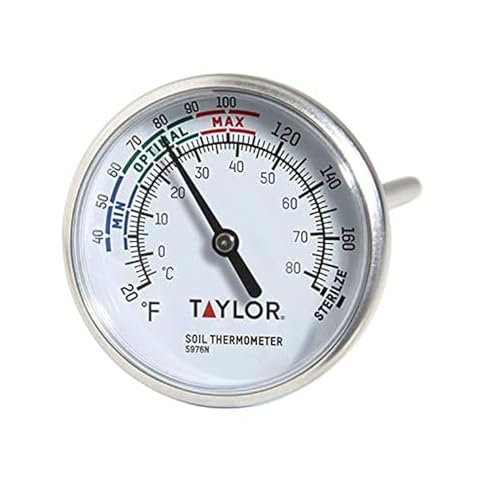
PRECISE SOIL TEMPERATURE READINGS: Measures soil temperatures from 20 degrees F to 180 degrees F (0 degrees C to 80 degrees C) with a large, easy-to-read analog dial face - no batteries or digital screens needed for reliable results every time

Easy-to-read green, yellow, and red tick marks for easy monitoring
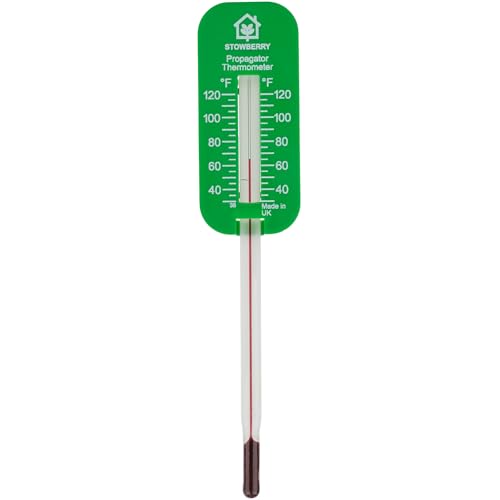
ACCURATE SOIL TEMPERATURE READINGS – Ensure the perfect growing environment for seeds and plants with this greenhouse soil thermometer, designed to give reliable and precise temperature measurements.
Soil and Temperature Conditions
When planting cantaloupe seeds, ensure you choose well-draining soil rich in organic matter. Cantaloupes thrive in warm soil temperatures between 70-90°F (21-32°C). Cold temperatures can hinder seed germination and overall growth.
Importance of Sunlight and Watering
Cantaloupe plants require ample sunlight, ideally 6-8 hours a day, for optimal growth and fruit development. Additionally, consistent watering is essential, especially during the flowering and fruit-setting stages. Ensure the soil is moist but not waterlogged to support healthy plant growth.
By meeting these seed requirements diligently, you’ll set the stage for a successful cantaloupe patch in your garden.
Preparing the Soil for Planting
When planting cantaloupe seeds, preparing the soil correctly is crucial for the success of your crop. Here’s how you can ensure your soil is ready for planting:
Recommended Products

NUTRIENT-RICH, NATURAL, AND ORGANIC SOIL: Grow a bountiful garden in your home with the Back to the Roots All-Purpose Natural and Organic Peat-Free 3-in-1 Seed Starting Mix, packed with the nutrients needed for your plants, flowers, and vegetables to thrive

Miracle-Gro Indoor Potting Mix for Seed Starting grows stronger roots for seeding success (vs unfed when used as directed)

CONTAINS: This organic Seed Stating soil mix is a rich blend of sphagnum peat moss & perlite with yucca extract and lime to ensure correct pH.
Choosing the Right Soil Type
For cantaloupes to thrive, they require well-draining soil that is rich in nutrients. Opt for sandy loam or loamy soil with a pH level between 6.0 and 6.8. This type of soil allows water to flow through easily while retaining essential nutrients for plant growth.
Adding Compost and Fertilizers
To boost soil fertility, incorporate organic matter like compost into the soil before planting your cantaloupe seeds. Compost enriches the soil with vital nutrients and improves its structure, promoting healthy root development. Additionally, consider using a balanced fertilizer to provide essential nutrients throughout the growing season.
By selecting the right soil type and enhancing it with compost and fertilizers, you’ll create an optimal environment for your cantaloupe plants to flourish and produce delicious fruits.
Sowing Cantaloupe Seeds
When planting cantaloupe seeds, it’s essential to follow specific guidelines to ensure successful growth. Here are key factors to consider:
Proper Depth and Spacing
Plant your cantaloupe seeds at a depth of about 1 inch in well-draining soil. Ensure each seed is spaced around 18-24 inches apart to allow ample room for the vines to spread as they grow. This spacing helps prevent overcrowding and promotes healthy plant development.
Germination Time and Tips
Cantaloupe seeds typically germinate within 7-10 days when provided with adequate moisture and warmth. To speed up germination, you can pre-soak the seeds for a few hours before planting them. Maintain consistent soil moisture levels during this period but avoid overwatering, as it can lead to rotting. Additionally, placing a plastic cover over the seedbed can create a greenhouse effect, enhancing germination rates.
By following these steps, you’ll set the stage for robust cantaloupe growth from seed to harvest.
Caring for Growing Cantaloupes
After planting your cantaloupe seeds, it’s essential to focus on caring for the growing plants to ensure a successful harvest. Here are some key aspects to consider:
Recommended Products

EASIER SEED STARTING: Our Burpee SuperSeed tray with 36 flexible pop-out cells is designed to simplify indoor seed starting for all your favorite vegetables, flowers and herbs. Just add seed starting mix, seeds, water and light to get growing! Rows are labeled alphanumerically for seedling identification with included Plant-o-Gram diagram. Tray dimensions: 11.5" x 10-3/8" x 2-1/4"
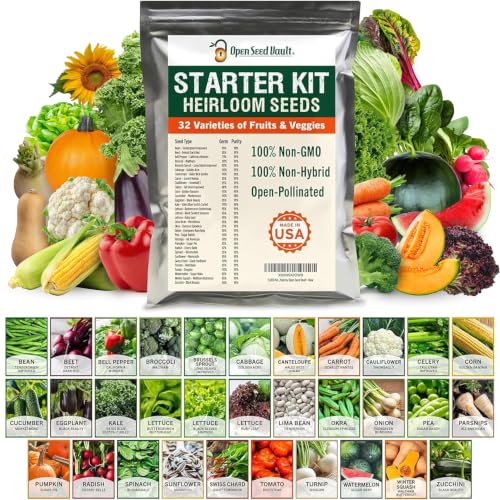
COMPLETE VEGETABLE GARDEN VARIETY PACK – Grow a thriving home garden with 32 popular vegetable seeds including Bean, Beet, Bell Pepper, Broccoli, Brussels Sprout, Cabbage, Cantaloupe, Carrot, Cauliflower, Celery, Corn, Cucumber, Eggplant, Kale, Lettuce (3 types), Lima Bean, Okra, Onion, Pea, Parsnip, Pumpkin, Radish, Spinach, Sunflower, Swiss Chard, Tomato, Turnip, Watermelon, Zucchini. A diverse mix perfect for fresh meals, backyard gardens, and sustainable growing.

Adjustable Vents: The seed trays have adjustable vents that allow you to regulate the temperature and humidity of your seedling environment for total control over the growing process.
Watering and Weed Control
Watering is crucial for cantaloupes as they require consistent moisture, especially during the fruit development stage. You should water the plants deeply once a week, providing around 1-2 inches of water each time. Mulching around the base of the plants can help retain soil moisture and reduce weed growth.
When watering your cantaloupes, aim to keep the foliage dry to prevent diseases. Drip irrigation or soaker hoses are ideal watering methods that deliver moisture directly to the roots without wetting the leaves excessively.
Regular weeding is also important to prevent competition for nutrients and water. Remove weeds by hand or use mulch to suppress their growth while allowing your cantaloupe plants to thrive.
Disease and Pest Management
To protect your growing cantaloupes from diseases and pests, it’s crucial to monitor them regularly for any signs of issues. Common diseases that affect cantaloupes include powdery mildew and bacterial wilt.
Applying fungicides preventatively can help control fungal diseases like powdery mildew. Additionally, practicing crop rotation and maintaining good air circulation around the plants can reduce disease risks.
For pest management, keep an eye out for common intruders such as aphids and cucumber beetles. Using insecticidal soap or neem oil spray can help deter these pests while being gentle on your plants.
By staying vigilant with watering practices, weed control, disease prevention, and pest management, you’ll give your cantaloupe plants the best chance at thriving and producing a bountiful harvest.
Harvesting Cantaloupes
When it comes to harvesting cantaloupes, knowing the right time for picking is crucial. Here’s how you can ensure a successful harvest:
Recognizing Ripeness
To determine if a cantaloupe is ripe and ready for harvesting, look for these signs:
- Color: A ripe cantaloupe will have a golden or creamy color under the “netting” on its skin.
- Smell: The fruit should have a sweet aroma at the stem end when it’s fully mature.
- Texture: Gently press the blossom end of the cantaloupe; if it gives slightly and feels soft, it’s likely ripe.
Proper Harvesting Techniques
Follow these steps to harvest your cantaloupes properly:
- Timing: Wait until the fruit easily detaches from the vine with a gentle twist; this indicates readiness.
- Tools: Use clean gardening shears to cut the fruit from the vine carefully to avoid damaging nearby fruits.
- Storing: Store harvested cantaloupes at room temperature until they ripen further, then refrigerate them for longer preservation.
By recognizing these signs of ripeness and using proper harvesting techniques, you can enjoy delicious homegrown cantaloupes at their peak flavor.
Conclusion
You now have all the tools to grow juicy cantaloupes in your own backyard. Remember to choose a sunny spot, prepare the soil well, and keep an eye on watering and pests. Harvesting at just the right time will ensure sweet, flavorful fruit for you to enjoy. With these tips, your cantaloupe patch will flourish from seedling to harvest, providing you with a bountiful supply of delicious melons. Happy planting!
Frequently Asked Questions
Q: Where should I plant my cantaloupe seeds?
A: Plant your cantaloupe seeds in a sunny spot with well-draining soil.
Q: How often should I water my cantaloupe plants?
A: Water your cantaloupe plants deeply once or twice a week, depending on the weather and soil moisture.
Q: How do I know when to harvest my cantaloupes?
A: Harvest your cantaloupes when they have a sweet aroma, golden color under the netting, and the stem easily detaches from the fruit.
Q: What are common pests that can affect cantaloupe plants?
A: Common pests that can affect cantaloupe plants include aphids, spider mites, and cucumber beetles.
Q: How should I store harvested cantaloupes?
A: Store harvested cantaloupes in a cool, dry place or refrigerate them for up to five days for optimal freshness.
