

Growing mango trees in Louisiana requires careful attention to humidity levels and proper harvesting techniques. By selecting the right varieties and implementing effective care strategies, you can enjoy a fruitful harvest in this humid climate.
Choose the Right Mango Varieties for Louisiana
Selecting the appropriate mango varieties is crucial for successful cultivation in Louisiana’s unique climate. With its warm temperatures and high humidity, certain types of mangoes thrive better than others, ensuring a fruitful harvest. Understanding these varieties will help gardeners maximize their yield and enjoy the sweet rewards of their labor.
Selecting the appropriate mango varieties is crucial for successful growth in Louisiana’s climate. Some varieties thrive better in humid conditions, ensuring a higher yield and better fruit quality. Recommended varieties include:
Haden: Known for its rich flavor and vibrant color.
Tommy Atkins: A popular choice for its disease resistance and long shelf life.
Kent: Offers a sweet taste and is less fibrous.
These varieties can withstand the local humidity and provide a bountiful harvest.
Recommended Products
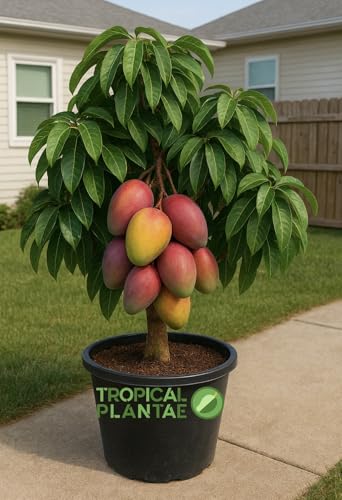
Imagine stepping into your backyard a few months from now and seeing a beautiful grafted Haden mango tree, growing stronger every day — a tree that will soon reward you with one of the most classic, flavorful mangoes ever grown.

The Ivory Mango Tree, a grafted variety of Mangifera indica, is a highly sought-after tropical fruit tree known for its unique elongated fruit, creamy texture, and exceptional flavor. This premium mango variety is native to Southeast Asia and has become a favorite among mango enthusiasts worldwide. Its grafted nature ensures reliable fruit quality, early fruiting, and adaptability, making it an excellent choice for home gardens and orchards.
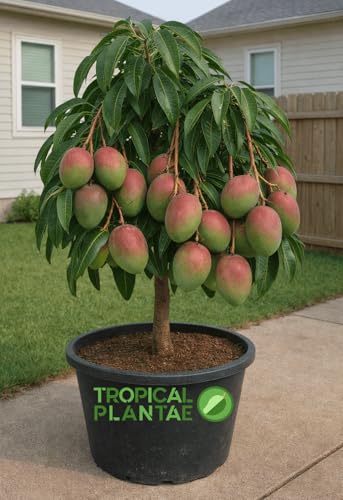
Imagine stepping outside your home and seeing a healthy mango tree growing stronger every season—one that doesn’t just decorate your yard, but adds real value to your daily life.
Louisiana Humidity Effects on Mango Growth
Understanding how Louisiana’s humidity impacts mango tree growth is essential for successful cultivation in the region. The unique climate conditions can influence everything from flowering to fruit development. By examining these effects, growers can adapt their care strategies to optimize yield and ensure healthy trees.
Humidity plays a significant role in mango tree growth. Louisiana’s climate can be quite humid, which can affect flowering and fruit set. Understanding local humidity levels helps in managing tree care effectively.
Ideal Humidity: Mango trees prefer humidity levels between 50% and 70%.
High Humidity Risks: Excess moisture can lead to fungal diseases.
Monitoring humidity and adjusting care practices is essential for healthy tree development.
Mango Tree Care Schedule for Louisiana
Caring for mango trees in Louisiana requires a tailored approach that considers the state’s unique climate and humidity levels. A well-structured care schedule can significantly enhance growth and fruit production. The following guidelines will help you establish an effective routine for nurturing your mango trees throughout the year.
Establishing a care schedule ensures your mango trees receive the necessary attention throughout the growing season. This schedule should include:
Watering: Deep watering every 7-10 days during dry spells.
Fertilizing: Use a balanced fertilizer every 6-8 weeks during the growing season.
Pruning: Trim dead or diseased branches to promote air circulation.
A well-structured care schedule enhances tree health and fruit production.
Recommended Products

Comes in 5 lb. bag of granules

Made for Lemon & Citrus Trees – Formulated to support healthy growth in lemon and citrus plants.

Package contains 4 Pounds organic fruit and citrus fertilizer grains and is produced to avoid wasteful runoff, mess, hazards and smells
Mango Tree Care Schedule for Louisiana
Caring for mango trees in Louisiana requires a tailored approach due to the region’s unique climate and humidity levels. A well-structured care schedule can help ensure healthy growth and bountiful harvests. This section outlines essential tasks and timing for optimal mango tree care in Louisiana’s environment.
| Task | Frequency | Notes |
|---|---|---|
| Watering | Every 7-10 days | Adjust for rainfall |
| Fertilizing | Every 6-8 weeks | Use balanced fertilizer |
| Pruning | As needed | Focus on dead or diseased wood |
Optimal Timing for Mango Harvesting
Understanding the optimal timing for harvesting mangoes is crucial for growers in Louisiana, where humidity levels can significantly impact fruit quality. This section delves into the best practices for determining when to pick mangoes, ensuring that the fruit reaches its peak flavor and ripeness while also considering local climatic conditions.
Timing is critical when harvesting mangoes. Picking them too early can lead to poor flavor, while waiting too long can result in overripeness.
Signs of Ripeness: Look for a change in color and a sweet aroma.
Harvesting Technique: Use pruning shears to cut the fruit from the tree, leaving a small stem attached.
Proper harvesting ensures the best flavor and quality for your mangoes.
Post-Harvest Mango Handling Techniques
After harvesting mangoes, proper handling is crucial to maintain their quality and extend shelf life. This section outlines effective techniques for post-harvest care, focusing on storage, ripening, and transportation methods tailored to the humid conditions of Louisiana. By following these guidelines, you can ensure that your mangoes remain fresh and flavorful for consumers.
After harvesting, proper handling is essential to maintain fruit quality. Follow these steps:
Clean the Fruit: Rinse mangoes gently to remove dirt.
Storage Conditions: Store in a cool, dry place away from direct sunlight.
Ripening: Allow mangoes to ripen at room temperature if harvested early.
These practices help preserve the quality of your mangoes until they are ready to eat.
Mango Tree Challenges in Humid Climates
Growing mango trees in Louisiana presents unique challenges due to the region’s high humidity and fluctuating temperatures. These environmental factors can impact tree health, fruit quality, and overall yield. Understanding how to navigate these challenges is essential for successful mango cultivation in this subtropical climate.
Mango trees can face various challenges in Louisiana’s humid climate. Identifying and addressing these issues promptly is vital for maintaining healthy trees. Common problems include:
Fungal Diseases: Look for signs of leaf spots or blight.
Pest Infestations: Monitor for aphids and mealybugs.
Implementing preventive measures and treatments can mitigate these issues effectively.
Recommended Products
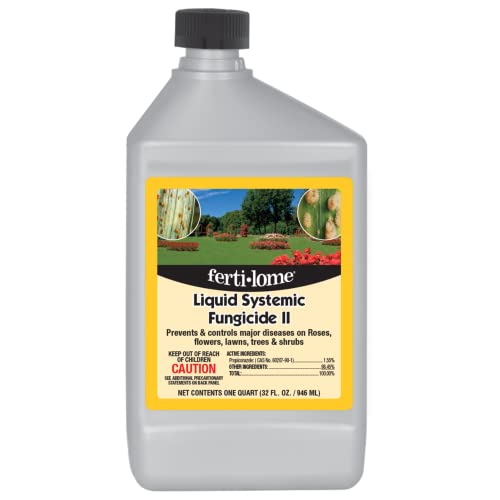
Controls Take All Patch, Brown Patch, Dollar Spot, Leaf Spot and more. See label for full list.

Tea Tree Therapy Serum Antifngl Nail — a delicious, high-quality pantry essential crafted with premium ingredients

A unique and specially concentrated treatment that helps your Mango trees: One treatment treats 1 mature tree or 2-3 smaller, newly planted or potted trees
Mango Tree Growth Issues and Solutions
Growing mango trees in Louisiana presents unique challenges due to the region’s humidity and climate conditions. Understanding common growth issues can help gardeners take proactive measures to ensure healthy trees. This section explores typical problems faced by mango trees and offers practical solutions to promote robust growth and fruitful harvests.
| Symptom | Primary Suspect | Difficulty (1-5) |
|---|---|---|
| Leaf spots | Fungal infection | 3 |
| Wilting leaves | Underwatering | 2 |
| Fruit drop | Nutrient deficiency | 4 |
| Stunted growth | Pest infestation | 5 |
Plan for Long-Term Mango Tree Success
Successfully growing mango trees in Louisiana requires careful planning and attention to the unique climate conditions of the region. Understanding the long-term needs of these tropical trees, from soil preparation to pest management, is essential for achieving a fruitful harvest. This section outlines key strategies to ensure the health and productivity of your mango trees over the years.
To ensure long-term success with mango trees, consider the following strategies:
Soil Quality: Test and amend soil for optimal pH and nutrient levels.
Mulching: Apply organic mulch to retain moisture and suppress weeds.
Seasonal Adjustments: Adapt care practices based on seasonal changes.
These strategies contribute to the longevity and productivity of your mango trees.
Mango trees can thrive in Louisiana with the right care and attention. Focus on humidity management, proper harvesting techniques, and addressing common issues to enjoy a fruitful harvest year after year.
