

Have you noticed unsightly spots on your fruit trees or a decline in their health? You’re not alone. Many gardeners face the frustrating challenge of fungus affecting their beloved trees, which can lead to poor fruit quality or even tree loss.
Key Takeaways
- Recognize Fungal Infections: Understand the common types of fungal infections affecting fruit trees, including powdery mildew, root rot, leaf spot, and fruit rot, along with their specific symptoms.
- Identify Symptoms Early: Look for discolored spots, wilting leaves, early leaf drop, and moldy growth to catch fungal infections early and increase recovery chances.
- Proactive Prevention Strategies: Implement effective prevention measures such as proper tree pruning, maintaining soil health, and ensuring good drainage to minimize fungal risks.
- Utilize Treatment Options: Explore various treatment methods—including organic solutions like neem oil and garlic spray, as well as chemical fungicides—to manage fungal infections effectively.
- Post-Treatment Care is Crucial: Monitor tree health regularly and maintain preventive measures, such as good air circulation and careful watering, to keep your trees healthy and prevent reoccurrence of infections.
Understanding Fruit Tree Fungal Infections
Fungal infections in fruit trees can impact your tree’s health and fruit yield. Recognizing the types of fungi and their symptoms helps you take appropriate action.
Common Types of Fungal Infections
Several types of fungal infections can affect fruit trees. Here are some of the most prevalent:
- Powdery Mildew: This fungus appears as a white or gray powder on leaves. It thrives in warm, dry conditions.
- Root Rot: Caused by fungi in damp, poorly drained soil, root rot leads to wilting leaves and limb dieback.
- Leaf Spot: This infection results in dark or brown spots on leaves, often leading to leaf drop.
- Fruit Rot: Affecting ripening fruit, this type can cause decay before harvesting, impacting your crop yield.
Symptoms of Fungal Infections
Identifying symptoms early enhances your chances of tree recovery. Look for these indicators:
- Discolored Spots: Notice dark, water-soaked spots on leaves or fruit surfaces.
- Wilting Leaves: If leaves droop despite adequate watering, it may signal root issues.
- Early Leaf Drop: Trees shedding leaves prematurely can indicate stress from fungal agents.
- Moldy Growth: A fuzzy or powdery substance on foliage or fruit often signifies fungal presence.
Monitoring your trees for these signs allows you to act quickly, improving their health and fruit production.
Prevention Strategies
Preventing fungal infections on fruit trees hinges on proactive measures. Implementing effective strategies helps maintain tree health and enhances fruit quality.
Recommended Products

★ 1. What you get: Professional convenient grafting tool set including a dual-use grafting pruner tool contain 2 extra replaceable blades, a wrench and a screwdriver, along with 36pcs wide rubber bands, 150 thick rubber bands and 1 grafting tape, packed in a black wallet to meet all your needs

1:EXTENDABLE REACH FOR LADDER-FREE SAFETY – Acting as both a reliable tree pruner and a fruit picker pole, this tool effortlessly extends from 3.28 to 5.25 FT to reach high branches up to 10 FT from the ground. The innovative rotating and locking head allows for precise angles without unstable ladders or risky stretching, ensuring maximum safety.

✂Multifunctional -2 in 1 Garden Grafting Tools-Professional grafting set allows you to pruning and grafting at the same time, saving more time and effort than traditional grafting methods, easy to use and more efficient. It allows you to trim away excess leaves and twigs and prepare the plants to be grafted. At the same time, you can make a precise cut into the grafting stock with the special grafting blade.
Proper Tree Pruning Techniques
Pruning plays a critical role in preventing fungal infections. To promote air circulation, trim branches that are too close together. Focus on removing dead or diseased wood since these areas foster fungal growth. Use clean, sharp tools. This helps avoid spreading spores. Prune during dry weather in the late winter or early spring to minimize infection risk. Regularly inspect your trees after pruning for any signs of infection.
Maintaining Soil Health
Healthy soil supports healthy trees. Test soil for pH and nutrient levels before planting. Adjust the soil to ensure proper drainage, as overly saturated conditions heighten fungal risks. Use organic mulch, which retains moisture yet allows excess water to escape. Crop rotation can also minimize fungal populations; avoid planting the same species in one area consecutively. Regularly add compost or organic fertilizers to enhance soil vitality, promoting a strong immune system in your fruit trees.
Treatment Options
You can manage fungal infections on fruit trees using various treatment options. These options range from organic solutions to chemical treatments, allowing you to choose methods that fit your gardening approach.
Organic Solutions
- Neem Oil: Neem oil is a natural fungicide that disrupts fungal growth. Mix 2 tablespoons of neem oil with 1 gallon of water. Spray it on affected areas every 7-14 days.
- Baking Soda: Baking soda helps combat powdery mildew. Mix 1 tablespoon of baking soda, 1 teaspoon of liquid soap, and 1 gallon of water. Spray the mixture weekly on the infected leaves.
- Garlic Spray: Garlic has antifungal properties. Blend a few cloves of garlic with water, strain the mixture, and spray it on the infected foliage every week.
- Vinegar: A solution of 1 part vinegar to 3 parts water can deter fungi. Spray it on the affected areas, avoiding direct contact with fruit for best results.
- Beneficial Fungi: Introducing beneficial fungi, like Trichoderma, can enhance soil health. These fungi compete with harmful types, suppressing their growth.
- Fungicidal Sprays: Look for fungicides specifically formulated for fruit trees. Read the label for application rates and timing to achieve optimal results.
- Copper-based Fungicides: Copper solutions effectively treat various fungal infections. Apply according to package instructions, generally during dry weather to prevent runoff.
- Systemic Fungicides: These are absorbed by the tree and provide internal protection. Choose these when infections are severe, but always follow recommended safety precautions.
- Protective Coatings: Some products create a barrier against pathogens. Spray during the dormant season to help prevent infections before symptoms appear.
By combining organic solutions with chemical treatments, you can effectively manage fungal infections. Regular monitoring of your fruit trees will also help catch problems early, ensuring healthier trees and a better yield.
Post-Treatment Care
Post-treatment care is essential for maintaining the health of your fruit trees after addressing fungal infections. Focus on monitoring your trees and implementing preventive measures to ensure long-term success.
Recommended Products
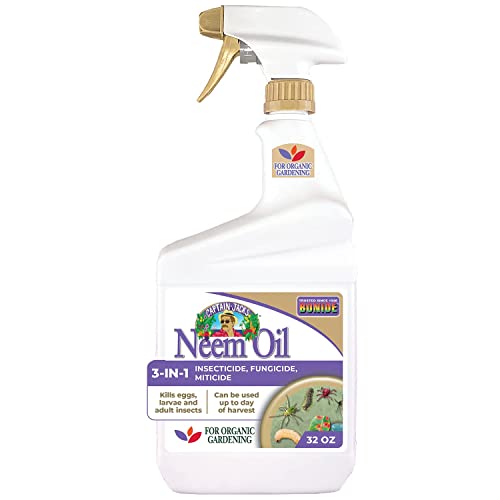
Protect your oasis with 3 garden products in 1 from Captain Jack’s; Bonide Captain Jack’s Ready-to-Use Neem Oil spray for plants is a multi-purpose fungicide, insecticide and miticide for your lawn & garden

FUNGAL DISEASE CONTROL: Prevents and controls black spot on roses, powdery mildew, rust, downy mildew, and other listed fungal diseases when applied on a 7–14 day schedule

3 GARDEN PRODUCTS IN 1: Fungicide, insecticide & miticide kills eggs, larvae & adult stages of insects
Monitoring Tree Health
Regularly inspect your fruit trees for any signs of stress or new fungal growth. Check for:
- Leaf condition: Look for discoloration, wilting, or new spots.
- Fruit appearance: Monitor for mold, rot, or unusual blemishes.
- Overall growth: Assess tree vigor, including new shoots and leaf production.
Use a notebook to track any changes over time. This helps you identify patterns and take quick action if issues arise.
Preventing Reoccurrence
Preventing fungal infections from coming back requires consistent care. Here are practical steps:
- Maintain good air circulation: Space your trees to avoid overcrowding, promoting healthy airflow.
- Water carefully: Water at the soil level to avoid wetting leaves, which can encourage fungal growth.
- Remove debris: Rake and dispose of fallen leaves or fruit that might harbor spores.
Apply organic fungicides like neem oil regularly during the growing season, especially after wet weather. This proactive measure significantly reduces the chances of reinfection. By staying vigilant and following these tips, you can keep your fruit trees healthy and productive.
Conclusion
Taking care of your fruit trees is essential for a bountiful harvest. By staying vigilant and recognizing the signs of fungal infections early you can take action to protect your trees. Remember to implement preventive measures like proper pruning and maintaining soil health to keep your trees strong.
Utilizing both organic and chemical treatments can help manage any infections that do arise. Regular monitoring and post-treatment care will ensure your trees remain healthy and productive. With a little effort and attention you can enjoy the fruits of your labor for years to come. Happy gardening!
Frequently Asked Questions
What are the common signs of fungal infections in fruit trees?
Gardeners should look for indicators like discolored spots on leaves, wilting, early leaf drop, and moldy growth. These symptoms can signal the presence of different types of fungal infections, such as Powdery Mildew or Leaf Spot, affecting tree health and fruit quality.
How can I prevent fungal infections in my fruit trees?
To prevent fungal infections, maintain good air circulation by pruning trees, remove dead or diseased wood, and ensure proper drainage in the soil. Using organic mulch, rotating crops, and regularly adding compost or fertilizers can also promote stronger trees that resist infections.
What are some effective treatments for fungal infections in fruit trees?
Effective treatments include organic methods like neem oil, garlic spray, and baking soda. For more severe cases, chemical options like fungicidal sprays may be used. It’s crucial to follow application instructions and consider introducing beneficial fungi, like Trichoderma, to enhance soil health.
How often should I inspect my fruit trees for fungal infections?
Regular inspections are vital. Check your trees at least once a week during the growing season for any signs of stress or new fungal growth. This proactive approach helps identify issues early, allowing gardeners to take necessary measures to protect tree health.
What should I do after treating fungal infections in my trees?
Post-treatment care involves consistently monitoring tree health, maintaining good air circulation, and removing debris that can harbor fungi. It’s also recommended to apply organic fungicides like neem oil during the growing season to reduce the risk of reinfection effectively.
