

Growing banana trees in San Bernardino, CA requires understanding the local climate and soil conditions. Proper care can lead to healthy plants that produce fruit. This guide offers essential tips for successful cultivation in this specific region.
Best Banana Varieties for San Bernardino Climate
When selecting banana varieties for San Bernardino’s unique climate, it’s essential to consider factors such as temperature, humidity, and soil conditions. The right choice can lead to fruitful harvests and healthy plants. This section explores the best banana varieties suited for the region, ensuring optimal growth and production.
Choosing the appropriate banana variety is crucial for success. Some varieties thrive better in warmer climates, while others can tolerate cooler temperatures. Consider the following popular options for San Bernardino:
Dwarf Cavendish: Ideal for smaller spaces and produces sweet fruit.
Gros Michel: Known for its robust flavor and larger size.
Red Dacca: Offers a unique taste and vibrant color.
Each variety has unique growth requirements and fruiting timelines. Ensure you select one that aligns with your gardening goals.
Soil Preparation Techniques for Banana Trees
Preparing the right soil is crucial for successful banana tree cultivation in San Bernardino, CA. The unique climate and soil conditions in the Inland Empire require specific techniques to ensure optimal growth. This section explores effective soil preparation methods tailored to enhance the health and productivity of banana trees in this region.
Soil preparation is essential for healthy growth. The right mix promotes drainage and nutrient availability. Follow these steps for optimal soil conditions:
Test the Soil: Use a soil testing kit to determine pH and nutrient levels.
Amend the Soil: Incorporate organic matter like compost or well-rotted manure.
Ensure Drainage: Add perlite or sand to improve drainage if needed.
Banana trees prefer slightly acidic soil with a pH between 5.5 and 7.0. Proper soil conditions will encourage root development and overall plant health.
Irrigation Strategies for Healthy Banana Trees
Effective irrigation is crucial for cultivating healthy banana trees in San Bernardino’s unique climate. Given the region’s warm temperatures and varying rainfall, understanding the best practices for watering can significantly impact growth and fruit production. This section explores tailored irrigation strategies that ensure your banana trees thrive throughout the year.
Banana trees require consistent moisture but can be sensitive to overwatering. Implement the following watering techniques:
Deep Watering: Water deeply once or twice a week, depending on rainfall.
Mulching: Apply a layer of organic mulch to retain moisture and regulate soil temperature.
Monitor Soil Moisture: Check the top inch of soil; if dry, it’s time to water.
Avoid waterlogging, as this can lead to root rot. Proper watering practices will support healthy growth and fruit production.
Recommended Products
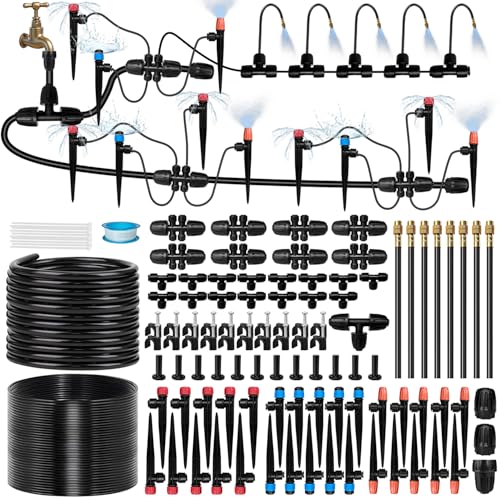
【Upgraded Tube Design & Water Saving】 Our garden watering system is upgraded to 1/2” diameter to support high water pressure. The 1/2” tee connector allows seamless splitting into 2 independent zones for customized watering schedules. By delivering moisture directly to root zones, this drip Irrigation system significantly reduces evaporation and runoff—saving more water compared to conventional sprinklers while eliminating the need for manual watering.

1/4 INCH IRRIGATION TUBING: Create a feeder line that supplies water to a low-flow, drip-watering device, or use as a main line in a small drip irrigation system; for trees, shrubs, flower beds, groundcover, vegetable gardens, and planters

Be a Gardening Master with the help of our superior and complete Drip Irrigation Kit: 50ft flexible & durable PVC 5/16" Irrigation Tubing + 50ft 1/4" Drip Distribution Tubing + 2 x Female Thread Water Connectors for 5/16" Mainline + 20 Barbed Drip Emitters Stream + 10 Barbed Drip Emitters Vortex + 4 x 1-Way, 6 x 2-Way and 2 x 4-Way Barbed Splitters from 5/16" to 1/4" + 5 x 1/4" Tubing Tee Splitters + 2 x 5/16" Mainline End Plugs + 5 x 1/4" Distribution Tubing End Plugs
Fertilization Strategies for San Bernardino Bananas
Fertilizing banana trees in San Bernardino requires a tailored approach due to the region’s unique climate and soil conditions. Understanding the specific nutrient needs of these plants can significantly enhance their growth and fruit production. This section outlines effective fertilization strategies to ensure healthy, thriving banana trees in the Inland Empire.
Regular fertilization is vital for optimal growth and fruiting. Use a balanced fertilizer that provides essential nutrients. Consider these guidelines:
N-P-K Ratio: Look for a fertilizer with a balanced ratio of nitrogen, phosphorus, and potassium.
Frequency: Fertilize every 6-8 weeks during the growing season.
Application: Follow package instructions for application rates.
Banana trees are heavy feeders. Adequate fertilization will enhance fruit size and yield.
Banana Tree Pest and Disease Management
Managing pests and diseases is crucial for the health of banana trees in San Bernardino, CA. This region’s unique climate can attract various threats, making it essential for growers to be proactive. Understanding common issues and implementing effective management strategies will help ensure robust growth and fruitful harvests.
Pests and diseases can threaten banana tree health. Regular monitoring and preventive measures are essential. Focus on the following common issues:
Spider Mites: Look for webbing and yellowing leaves. Use insecticidal soap for treatment.
Fungal Diseases: Ensure good air circulation and avoid overhead watering to prevent fungal growth.
Nematodes: Rotate crops and use resistant varieties to manage nematode populations.
Early detection and intervention are critical for maintaining healthy plants.
Recommended Products

READY-TO-USE CONTACT SPRAY: No mixing required. Thoroughly spray insecticide on all plant parts, including the underside of leaves. Pests must be sprayed directly to achieve control
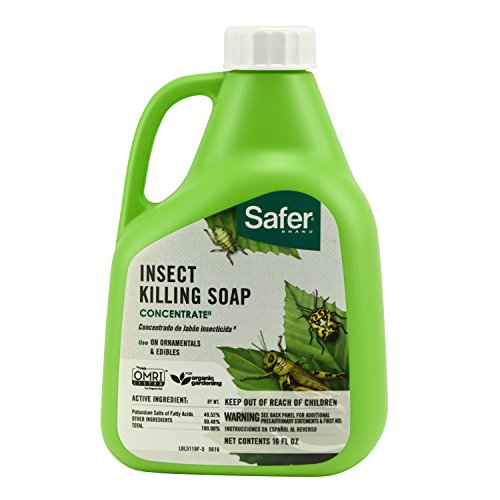
GENTLE ON MOST PLANTS - This aphid spray is ideal for use on flowers, herbs, vegetables, houseplants, lawn, tree, shrubs, and more
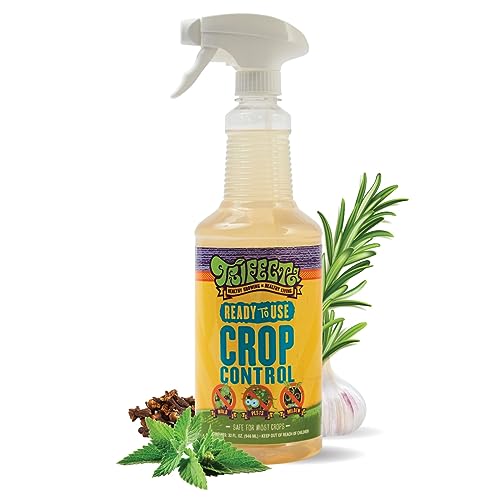
CROP, GARDEN & HOUSEPLANT INSECT CONTROL. Trifecta Crop Control all-natural, plant-based formula effectively combats destructive spider mites, aphids, whiteflies, fungus gnats, and other soft-bodied pests on indoor and outdoor plants. Our biodegradable, eco-friendly solution is safe for use on edible crops, without chemical residues. Our gentle yet potent plant spray suffocates and dehydrates pests without harming beneficial insects or the environment, making it ideal for organic gardening.
Banana Harvest Timing and Storage Techniques
Understanding the optimal timing for harvesting bananas is crucial for maximizing yield and quality, especially in the unique climate of San Bernardino, CA. This section delves into the best practices for harvesting and offers effective storage techniques to ensure your bananas remain fresh and flavorful.
Harvesting bananas at the right time ensures optimal flavor and texture. Follow these steps for effective harvesting:
Observe Color Change: Bananas should turn from green to yellow before harvesting.
Cut the Bunch: Use a sharp knife to cut the bunch from the plant.
Ripening: Store harvested bananas at room temperature to allow them to ripen.
Proper storage conditions will enhance flavor and prolong shelf life.
| Variety | Ideal Climate | Average Height | Fruit Flavor |
|---|---|---|---|
| Dwarf Cavendish | Warm | 4-6 feet | Sweet |
| Gros Michel | Warm | 6-10 feet | Rich |
| Red Dacca | Warm | 5-8 feet | Unique |
Must-Have Tools for Banana Tree Cultivation
Growing banana trees in San Bernardino requires specific tools to ensure successful cultivation in the region’s unique climate. From soil preparation to watering systems, having the right equipment can significantly impact the health and productivity of your banana plants. This section highlights essential tools that every aspiring banana grower should consider for optimal results.
Using the right tools can simplify the process of growing banana trees. Consider acquiring the following:
Hand Pruners: For trimming and maintaining plant health.
Soil Test Kit: To assess soil conditions.
Watering Can: For precise watering, especially for young plants.
Investing in quality tools will enhance your gardening experience and improve outcomes.
Recommended Products

Quick, at home results for Soil pH, Nitrogen, Phosphorous and Potash Innovative and inexpensive soil test kit features an easy-to-use capsule system and patented color comparators

Kindly NOTE: This soil tester can not be applied to test pH value of any other liquid. If the soil is too dry the indicator will not move, and water it before testing.

KNOW BEFORE YOU GROW | Grow the healthiest, sustainable lawn and garden with the most accurate and easy to use professional soil test kit on the market
Banana Tree Care and Monitoring Tips
Caring for banana trees in San Bernardino requires attention to specific environmental factors and proper maintenance techniques. This section offers practical tips on monitoring growth, watering, and fertilization to ensure your banana trees thrive in the unique climate of the Inland Empire. By following these guidelines, you can cultivate healthy plants that produce abundant fruit.
Monitor your banana trees regularly for signs of stress or nutrient deficiency. Adjust care practices as needed to ensure healthy growth. Consistent attention to detail will yield a fruitful harvest.
