

Planting fruit bearing trees is an important part of a healthy and sustainable lifestyle. Not only do these trees provide delicious, nutritious fruits, but they also help to bolster local biodiversity and create a healthy environment. Planting these trees can also help to reduce soil erosion, provide shade and food for wildlife, increase water retention in the soil, and even reduce air pollution. In this article, we will discuss why it is important to plant fruit bearing trees and how they can benefit both people and the environment.It is important to plant fruit bearing trees because they provide an array of benefits to both the environment and humans. Fruit trees help to improve air quality by removing carbon dioxide and other pollutants from the air, as well as aiding in reducing soil erosion. Additionally, planting fruit bearing trees can also help to increase the local biodiversity of a given area by providing a food source for wildlife such as birds, insects, and small mammals. Furthermore, they can also provide a source of food for people living in poverty or rural areas who may not have access to supermarkets or grocery stores.
Benefits of Planting Fruit Bearing Trees
Planting fruit bearing trees is a great way to enjoy fresh, delicious fruits right at home. Not only do these trees provide a bounty of harvest, but they also bring many other benefits. These trees can provide aesthetic value, improve air quality, and even reduce energy costs.
Aesthetically, fruit bearing trees can bring beauty to any property. Depending on the variety of tree planted, they can blossom in different colors and provide a pleasant view year-round. This can be especially beneficial for those who live in urban areas, as it provides greenery and natural beauty to a concrete landscape.
Fruit bearing trees are also great for improving air quality in an area. Trees naturally filter out pollutants from the air by taking in carbon dioxide and releasing oxygen back into the atmosphere. This means that planting fruit bearing trees can help reduce smog levels in urban areas and make breathing easier for those living nearby.
Finally, fruit bearing trees can also help to reduce energy costs by providing shade to buildings. By shading windows and walls from direct sunlight, these trees keep the inside of homes cooler during summer months without having to use extra energy from air conditioning systems or fans. Planting fruit bearing trees is an easy way to enjoy their delicious fruits while saving money on energy bills at the same time!
In conclusion, planting fruit bearing trees is a great way to enjoy fresh fruit while getting many other benefits as well! They bring aesthetic value with their colorful blooms, improve air quality by filtering pollutants from the air, and even reduce energy costs by providing shade around buildings. With all these advantages, it’s no wonder why so many people love having these wonderful trees in their home gardens!
Recommended Products

Breathable Material: Made of lightweight non-woven fabric, our fruit tree shade net blocks sunlight while maintaining air circulation, effectively preventing sunburn for your plants during hot seasons

🥜 Produces Delicious Homegrown Pecans Grow your own fresh, flavorful pecans right at home—perfect for baking, snacking, and cooking.

Benefits of Eating Fruits From Trees
Eating fruits from trees has many benefits to both our physical and mental health. Fruits contain essential vitamins, minerals, and antioxidants that can help strengthen the body’s immune system and support overall health. They are a great source of dietary fiber, which can help regulate digestion and keep us feeling full for longer periods of time. Eating fruits from trees also helps us to maintain a healthy weight as they are typically low in calories and high in nutrition.
Fruits from trees can also provide us with important nutrients that can improve our mental health. Fruits like apples, oranges, kiwis, and bananas contain important vitamins, such as B vitamins, which are known to boost moods and increase energy levels. Eating these kinds of fruits on a regular basis can help reduce stress levels and improve overall well-being.
In addition to providing essential vitamins and minerals, eating fruits from trees also helps us to protect our bodies from disease-causing agents like bacteria and viruses. The antioxidants found in fruits like apples, oranges, blueberries, strawberries, and raspberries have powerful anti-inflammatory properties that may help reduce the risk of certain types of cancer. Furthermore, the dietary fiber found in fruit can help reduce cholesterol levels in the blood stream which could lead to better heart health over time.
Overall, eating fruits from trees is an excellent way to support our physical health while also improving our mental wellbeing. Not only do they provide essential vitamins and minerals that can help improve overall wellness but they also offer protection against disease-causing agents while promoting healthy digestion along with improved moods.
Nutritional Value of Fruits From Trees
Fruits from trees provide essential vitamins, minerals and other nutrients that play a key role in keeping us healthy. Fruits like apples, oranges, apricots, avocados, bananas and cherries are all packed with many beneficial nutrients. Apples are a great source of dietary fiber and vitamin C. Oranges are rich in vitamin C and potassium. Apricots are a good source of vitamin A, while avocados contain healthy fats and vitamins E and K. Bananas are an excellent source of potassium and B vitamins, while cherries are high in antioxidants.
Eating fruits from trees also helps maintain a healthy weight as they contain fewer calories than most other foods. Many types of fruits from trees also have anti-inflammatory properties that can help reduce inflammation in the body. Eating a variety of fruits from trees can also help improve digestion by providing essential fiber for gut health.
Fruits from trees can also help reduce the risk of certain diseases such as heart disease, stroke and certain types of cancer. The antioxidants found in many types of fruit can help reduce free radical damage to cells which can lead to disease. Eating more fruit is also associated with lower levels of bad cholesterol (LDL) which helps protect against heart disease.
Including plenty of fruits from trees in your diet is an excellent way to get the essential vitamins and minerals your body needs to stay healthy. Make sure to include a variety of different types for maximum benefit!
Impact of Planting Fruit Bearing Trees on the Environment
Planting fruit bearing trees has become a popular way to improve the environment. The benefits of planting fruit bearing trees are numerous, ranging from providing food and shelter to wildlife, to improving air quality, and reducing soil erosion. In addition to these benefits, planting fruit bearing trees also helps reduce the effects of global warming.
Fruit bearing trees absorb carbon dioxide from the atmosphere and convert it into oxygen, thus helping reduce the greenhouse effect. Additionally, these trees provide shade and help cool down the surrounding area, reducing temperatures naturally. This cooling effect can be beneficial in areas where temperatures soar during summer months.
Planting fruit bearing trees also helps to conserve water by trapping moisture in their leaves and trunk which prevents runoff. This reduces soil erosion in areas prone to flooding or landslides. As well as this, these trees also help maintain water quality by filtering out pollutants and preventing them from entering local waterways.
Fruit bearing trees also provide habitat for wildlife such as birds and small mammals, who can use them for shelter and food sources. This increases biodiversity in urban environments where natural habitats may be scarce or limited due to urban sprawl or deforestation. In addition, these trees provide a safe haven for pollinators such as bees and butterflies which are essential for maintaining healthy ecosystems.
Overall, planting fruit bearing trees is an effective way of improving the environment through a variety of methods such as reducing global warming, conserving water resources, increasing biodiversity, and providing habitat for wildlife species. Therefore it is important that individuals take part in this environmental effort by planting fruit bearing trees in their local area whenever possible.

Choosing the Right Type of Fruit Bearing Tree for Your Garden
When deciding which type of fruit-bearing tree to plant in your garden, there are several factors to consider. The size and shape of the tree, the amount and quality of the fruit it produces, its hardiness and resistance to pests and diseases, and its seasonal bloom cycles are all important considerations when selecting a fruit-bearing tree. Additionally, when selecting a variety of trees for your garden, it is important to consider how compatible they will be with each other in terms of pollen production and flowering times.
The first step in choosing a fruit-bearing tree is determining what type of climate and soil conditions will be best suited for it. Different species of trees grow best in different climates and soil types, so it is important to take this into account when selecting a variety. Additionally, when choosing a variety that will thrive in your local climate, it is important to consider whether or not you would like the tree to be self-fertile or require cross-pollination from another variety.
The size and shape of a fruit bearing tree are also important considerations. If you have limited space available in your garden or yard, then you may want to select a smaller variety that takes up less space. On the other hand, if you have ample space available then you may want to choose a larger variety that can provide more shade or privacy. Additionally, some varieties produce more fruit than others so this should also be taken into consideration when selecting a tree.
Finally, it is important to consider the hardiness and pest/disease resistance qualities of any potential varieties before purchasing them. Selecting varieties that have been bred for greater disease and pest resistance can help ensure that your fruit bearing trees will remain healthy and productive over time. Additionally, varieties with longer bloom cycles can help ensure that your garden yields plenty of delicious fruits throughout the season!
Recommended Products

LEMON BONSAI TREE SEEDS: Citrus seeds have approx 50% germination rate and we recommend planting them immediately after receiving, or store them in a fridge until you plant them.

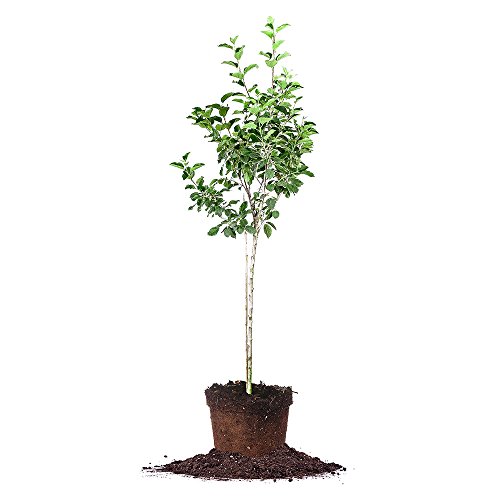
😍This low chill hour requiring apple tree is popular for its ability to thrive in warm climates and for its incredibly flavorful, yellow Apples in the summer time.
Growing Fruit Bearing Trees
Growing fruit bearing trees can be a rewarding experience, but it also comes with its own set of challenges. From finding the right variety of tree to provide the best yield, to ensuring proper soil conditions, there are several steps that need to be taken in order to successfully grow a fruit-bearing tree.
Recommended Products

Let our professionally formulated plant food help your fruit tree grow healthy, strong AND abundantly producing

CITRUS PLANT FOOD: This avacado, mango and citrus fruit tree fertilizer feeds plants for up to 3 months and nourishes above and below the soil

Proper Location
One of the first challenges of growing a fruit-bearing tree is selecting the proper location for it. Each variety requires different soil conditions and amounts of sunlight or shade. If a tree is not located in an area that meets these requirements, it will not produce as much or any fruit. Additionally, trees should be planted away from buildings, power lines and other obstacles that could interfere with their growth and development.
Pest and Disease Control
Another major challenge associated with growing a fruit-bearing tree is controlling pests and diseases that could damage or kill the tree. Different types of insects, fungi and bacteria can all cause serious harm to trees if left unchecked. Fruit trees should be regularly inspected for signs of infestation or disease, and treated as needed in order to keep them healthy and productive.
Fertilizer and Pruning
In addition to pest control, proper fertilization and pruning are also essential for successful fruit production. Fertilizers should be applied at regular intervals throughout the year in order to ensure that plants receive the nutrients they need for growth and fruiting. Pruning should also be done on a regular basis in order to remove dead branches or excess foliage that could prevent fruits from developing properly.
Overall, growing fruit bearing trees can be an enjoyable experience for gardeners who take the time to understand the unique challenges associated with this type of horticulture. By providing the necessary care and attention, gardeners can enjoy bountiful harvests for years to come
Planting Your Fruit Bearing Tree
The first step in caring for a fruit bearing tree is planting it correctly. It’s important to pick a spot that has well-draining soil and gets plenty of sunlight. If possible, plant the tree in an area that is sheltered from strong winds and extreme weather. Dig a hole twice as wide as the root ball and mix some compost with the soil before filling the hole back in. Make sure that the tree is planted at the same depth it was previously growing in its nursery container. Water it deeply after planting to help get it established.
Fertilizing Your Fruit Bearing Tree
Fertilizing your fruit bearing tree regularly can help encourage healthy growth and improve yields. Choose an organic fertilizer formulated specifically for fruit trees if possible, and spread it evenly around the base of the tree, avoiding contact with the trunk. Generally speaking, you should fertilize your trees twice a year; once in early spring and then again mid-summer.
Pruning Your Fruit Bearing Tree
Pruning your fruit bearing tree can help promote healthy growth and keep it looking neat and tidy. Start pruning when your tree is young by trimming away any dead or damaged branches, as well as any branches that cross over each other or rub against one another. Prune away any suckers or watersprouts that are growing from the trunk or main branches of your tree as well. You should also remove any branches that are growing too low on your tree, as these can interfere with harvesting your fruits later on. As always, be sure to use sharp pruning shears to avoid damaging your plant’s tissue when cutting away branches or foliage.
Harvesting Your Fruit Bearing Tree
Harvesting time is one of the most exciting parts of caring for a fruit bearing tree! Different fruits will ripen at different times throughout the season, so be sure to check on them regularly during this period to ensure they don’t over-ripen on the branch before you have a chance to pick them off! Always use sharp pruning shears when harvesting fruits from your trees; this will help ensure that you don’t accidentally damage any of its delicate limbs when collecting its bounty!
Protecting Your Fruit Bearing Tree From Pests And Diseases
Caring for a fruit bearing tree also involves protecting it from pests and diseases which can cause serious damage if left unchecked! Inspect your trees regularly for signs of pests such as aphids, caterpillars, mites, whiteflies, etc., and take appropriate measures such as spraying insecticidal soap or neem oil if necessary. If you notice any signs of disease such as wilting leaves or discoloration on foliage then contact an arborist right away so they can diagnose what’s wrong with your plant and recommend treatment options accordingly.

Conclusion
Planting fruit bearing trees is an important way to improve our environment and benefit our lives. It can increase the availability of fresh and nutritious fruits, reduce air pollution and help fight climate change. It can also create jobs, provide food security and increase biodiversity. In addition, it can help improve soil quality and provide shade, windbreaks and wildlife habitats. In conclusion, planting fruit bearing trees is an essential way to improve our environment while also providing many benefits to humans.
Therefore, it is important to plant fruit bearing trees whenever possible in order to ensure a healthier future for ourselves, our environment, and the generations that will come after us.
