

Star fruit trees thrive in North Carolina’s Piedmont region, offering both aesthetic appeal and unique fruit. Proper care and attention to climate conditions are essential for successful cultivation and fruit production.
Star Fruit Tree Growth Conditions
Understanding the ideal growth conditions for star fruit trees is essential for successful cultivation in North Carolina’s Piedmont region. This section outlines the specific environmental factors, soil types, and care requirements that contribute to healthy star fruit tree development, ensuring that enthusiasts can maximize their yields and enjoy this unique tropical fruit.
Star fruit trees, or Averrhoa carambola, require specific conditions to flourish. They prefer well-drained soil with a pH between 6 and 7.5.
Full sun exposure is crucial for optimal growth and fruiting. In North Carolina, especially in the Piedmont area, the climate can be a challenge due to temperature fluctuations.
Ideal soil conditions
Sunlight requirements
Temperature tolerance
Recommended Products

CONCENTRATE INSECT KILLER - This pest control is great for use on aphids, flea beetles, leafhoppers, trips, whiteflies, Japanese beetles, mealy bugs and many more.
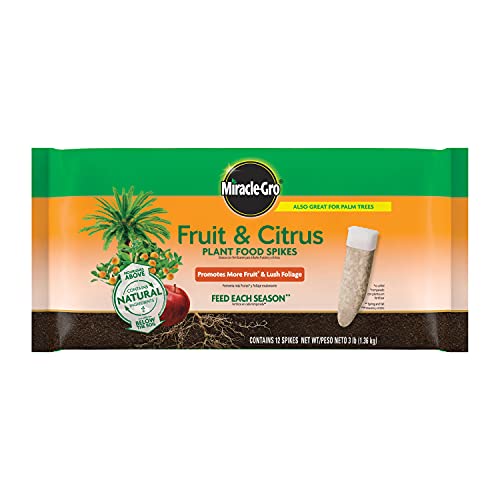
FORMULATED FOR CITRUS AND FRUIT TREES: Use these citrus fertilizer spikes on apple, orange, lemon, lime, and avocado trees; this formula is also great for feeding palm trees

Made For Potted Citrus Trees: Our citrus potting soil mix is made for potted lemon, lime, orange and other citrus trees that need a lighter growing medium for repotting. We double-screen all of our raw ingredients to support a cleaner, more consistent texture for pouring and repotting potted citrus trees.
Star Fruit Soil and Nutrient Needs
Understanding the soil and nutrient requirements for star fruit trees is essential for successful cultivation in North Carolina’s Piedmont region. This section delves into the specific conditions that promote healthy growth, ensuring that growers can provide the optimal environment for these tropical trees to thrive in a subtropical climate. Proper soil management and nutrient application are key to maximizing fruit yield and tree health.
Proper soil management is vital for star fruit trees. They thrive in sandy loam or clay loam soils that retain moisture without becoming waterlogged. Regular soil testing can help identify nutrient deficiencies.
| Nutrient | Recommended Level |
|---|---|
| Nitrogen | 0.1-0.2% |
| Phosphorus | 0.01-0.05% |
| Potassium | 0.1-0.3% |
Use organic fertilizers to enhance soil quality.
Monitor pH levels regularly.
Implement mulching to retain moisture and suppress weeds.
Star Fruit Tree Watering Guidelines
Proper watering is essential for the health and productivity of star fruit trees in North Carolina’s Piedmont region. Understanding the specific needs of these trees can help ensure they thrive in the local climate. This section will outline effective watering guidelines to support optimal growth and fruit development.
Star fruit trees require consistent moisture, especially during dry spells. However, overwatering can lead to root rot. Establishing a balanced watering schedule is essential.
Water deeply once a week.
Adjust frequency based on rainfall.
Use drip irrigation for efficiency.
Star Fruit Tree Pest Control Strategies
Managing pests is crucial for the health of star fruit trees in North Carolina’s Piedmont region. Effective pest control strategies can help ensure robust growth and a fruitful harvest. This section outlines practical methods to protect your trees from common pests, enabling you to cultivate a thriving star fruit orchard.
Pests and diseases can threaten the health of star fruit trees. Common issues include aphids, mealybugs, and fungal infections. Regular monitoring and timely interventions are necessary.
Inspect leaves for signs of pests.
Apply neem oil or insecticidal soap as needed.
Ensure good air circulation to prevent fungal growth.
Pruning Strategies for Star Fruit Trees
Pruning is essential for maintaining the health and productivity of star fruit trees, particularly in North Carolina’s Piedmont region. Proper techniques can enhance fruit quality, encourage growth, and shape the tree for optimal sunlight exposure. This section outlines effective pruning strategies tailored to the unique climate and conditions of the area.
Pruning is essential for maintaining the shape and health of star fruit trees. Proper techniques encourage better air circulation and light penetration.
Remove dead or diseased branches.
Thin out crowded areas to improve airflow.
Prune after the fruiting season for optimal results.
Optimal Star Fruit Harvest Timing
Understanding the optimal timing for harvesting star fruit is crucial for maximizing flavor and yield. In North Carolina’s Piedmont region, various factors such as climate and tree maturity play significant roles in determining the best harvest window. This section delves into the specific indicators and seasonal cues that signal when star fruit is at its peak for picking.
Harvesting star fruit at the right time ensures the best flavor. The fruit should be firm and slightly yellow when ready for picking.
Use sharp pruning shears to avoid damaging the tree.
Handle fruit carefully to prevent bruising.
Store harvested fruit in a cool, dry place.
Best Star Fruit Varieties for Piedmont
When cultivating star fruit trees in North Carolina’s Piedmont region, selecting the right variety is crucial for successful growth and fruit production. This section explores the best star fruit varieties suited to the local climate and soil conditions, ensuring gardeners can enjoy a bountiful harvest of this unique tropical fruit.
Selecting the right variety of star fruit can enhance your success. Some varieties are better suited for the Piedmont climate.
Fwang Tung: Known for its sweet taste and high yield.
Arkin: A popular choice for its disease resistance and good flavor.
Winter Protection Strategies for Star Fruit Trees
In North Carolina’s Piedmont region, winter can pose significant challenges for star fruit trees. Understanding effective protection strategies is essential for ensuring these tropical plants thrive despite cold temperatures. This section outlines practical methods to safeguard your star fruit trees during the winter months, helping you maintain healthy growth and fruitful harvests.
Winter can pose challenges for star fruit trees in North Carolina. Protecting them from frost is crucial for survival and future fruiting.
Use frost cloths to cover trees during cold snaps.
Mulch around the base to retain soil warmth.
Consider planting in pots for easier relocation indoors.
Recommended Products

1.Drawstring Design: the plant frost covers are sturdy and large enough to fit the plants easily, and there is a drawstring for tightening which makes it secure against the wind with easy to cinch the bottoms usage.

The Large plant cover is perfect for Plant size 55''-70"high and 84''-94" round, Heavy-weight FRCs (1.77oz./sq. yard): usually used to extend the growing season in spring and fall, allow 40%-60% light transmittance, and recommend 3°-8°F of freeze protection
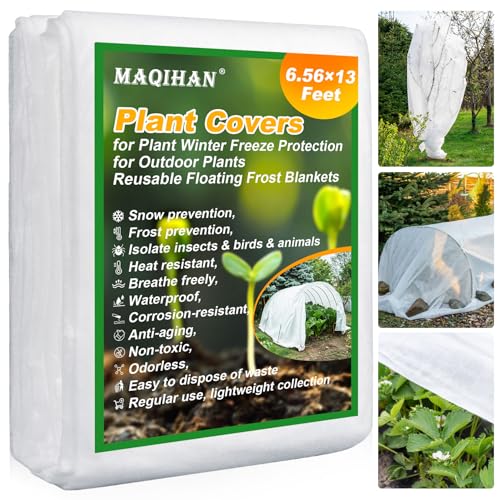
Product Features: Our plant covers are ideal for protecting all plant. Made from premium 1 oz/sq non-woven fabric, their durability and breathability ensuring both insulation against frost and facilitation of sunlight penetration for healthy plant growth
Star Fruit Care Tips for Piedmont Gardens
Caring for star fruit trees in the Piedmont region of North Carolina requires attention to specific environmental conditions and cultivation practices. This section provides essential tips tailored to local gardeners, ensuring that your star fruit trees thrive and produce abundant fruit in the unique climate of the area.
Star fruit trees can be a rewarding addition to a garden in North Carolina’s Piedmont region. Regular care and attention to environmental conditions will enhance growth and fruit production.
Monitor for pests and diseases diligently. Proper pruning and harvesting techniques will ensure a healthy yield each season.
