

Have you ever wondered how you could grow your very own grapefruit tree right at home? Picture this: enjoying juicy, fresh grapefruits picked from a tree you nurtured from a tiny seed. Exciting, isn’t it? In this article, you’ll discover the simple steps to grow a thriving grapefruit tree from seed, right in your own backyard.
Key Takeaways
- Select grapefruit seeds from ripe fruits for successful germination.
- Choose larger, viable seeds and consider storing them properly before planting.
- Plant seeds pointed end down in well-draining soil, keeping them moist but not waterlogged.
- Provide optimal conditions like sunlight, warmth, and proper watering for seedlings’ growth.
- Fertilize seedlings with balanced liquid fertilizer and monitor growth and progress regularly.
- Nurturing seedlings with proper sunlight exposure, temperature, watering, and fertilization is essential for healthy tree development.
Selecting the Grapefruit Seeds
When choosing grapefruit seeds to grow your tree, opt for fresh seeds from ripe fruits. You want viable seeds for the best chance of successful germination. Here’s how to select the right grapefruit seeds:
Recommended Products

✅ ABOUT PRODUCT- This package contains , SEEDS ONLY, no live plants.The photos show are the mature plant in the future, not the actual plant you will receive

【5 most popular fruits】700+ strawberry seeds, 200+ raspberry seeds, 80+ grape seeds, 80+ blueberry seeds.

LIME BONSAI TREE SEEDS: 30 Lime Tree Seeds. Grow as Bonsai or for food.
Look for Freshness
Check the ripeness of the grapefruit before extracting the seeds. Fresh fruits with ripe, flavorful pulp are more likely to have seeds that are ready for planting.
Avoid Hybrid Seeds
If you’re planning to grow grapefruits for consumption, avoid using hybrid seeds. Hybrid varieties might not grow true to the parent plant, affecting the fruit quality.
Seed Size Matters
Larger seeds tend to have higher chances of successful germination. When selecting seeds, opt for plump and well-developed ones for better growth prospects.
Check for Viability
Perform a simple viability test by placing the seeds in water. Healthy seeds will sink, while non-viable ones will float. Choose seeds that sink to ensure they are viable for planting.
Consider Multiple Seeds
Since not all seeds may germinate successfully, consider selecting multiple seeds to increase your chances of at least one successful planting.
Store Properly
If you’re not planting immediately, store the seeds in a cool, dry place to maintain their viability. Proper storage conditions can help preserve the seeds for later planting.
By selecting the right grapefruit seeds and following these guidelines, you set the stage for a successful journey in growing your very own grapefruit tree from seed.
Preparing and Planting the Seeds
Now that you’ve selected the ideal grapefruit seeds, it’s time to prepare and plant them properly to kickstart the growth process effortlessly. Follow these steps to ensure the best chances of successful germination:
- Prepare the Seeds
- Get a small container with drainage holes at the bottom. It could be a seedling flat or a pot.
- Fill the container with a well-draining soil mix, like a combination of potting mix and perlite.
- Moisten the soil slightly before planting the seeds.
- Planting the Seeds
- Plant the grapefruit seeds about half an inch deep in the soil. Place them pointed end down.
- Cover the seeds lightly with soil and pat it down gently.
- Water the soil gently after planting to ensure moisture reaches the seeds.
- Create the Right Environment
- Place the container in a warm, sunny spot that receives at least six hours of sunlight daily.
- Ensure the room temperature is consistently around 70-80°F (21-27°C) for optimal germination.
- Maintain humidity by covering the container with a plastic wrap or a plastic lid.
- Watering and Care
- Keep the soil consistently moist but not waterlogged. Water when the top inch of soil feels dry.
- Avoid overwatering, as it can lead to seed rot.
- Once the seeds germinate and grow into seedlings, transplant them into larger pots with well-draining soil.
Recommended Products

EASIER SEED STARTING: Our Burpee SuperSeed tray with 8 extra-large flexible pop-out cells is designed to simplify indoor seed starting. Just add seed starting mix, seeds, water and light to get growing! Perfectly sized for starting seeds in the windowsill: 11.5" x 5-3/16" x 2-1/4". Rows are labeled alphanumerically for seedling identification with included Plant-o-Gram diagram.

Graphene Seed Heat Mat for Faster Germination: Compared to traditional electric heating mats, our graphene heat mat heats up faster and more evenly, with a built-in timer for convenience. It creates the ideal environment for indoor seed starting trays, greenhouse seed germination, and hydroponic plant propagation. Designed for indoor gardening, this waterproof and reusable heat mat accelerates growth and improves seedling survival rates.

Pro Grow Lights with Advanced Chips: Equipped with 56 high-efficiency beads per tray, these LED strips simulate natural sunlight for optimal seedling growth. Adjustable brightness and timer functions let you customize lighting for every plant stage, promoting faster, healthier growth—perfect for herbs, flowers, and more
Providing the Right Growing Conditions
To grow a healthy grapefruit tree from seed, it’s crucial to create the optimal environment for its growth. Here’s how you can provide the right growing conditions for your grapefruit seedlings:
Recommended Products

Reliable Results: The VIVOSUN professional heat mat maintains optimal temperatures around 68-86℉ (20-30℃), perfect for Seedling start and cutting propagation; Made from durable PVC material, it's designed to last
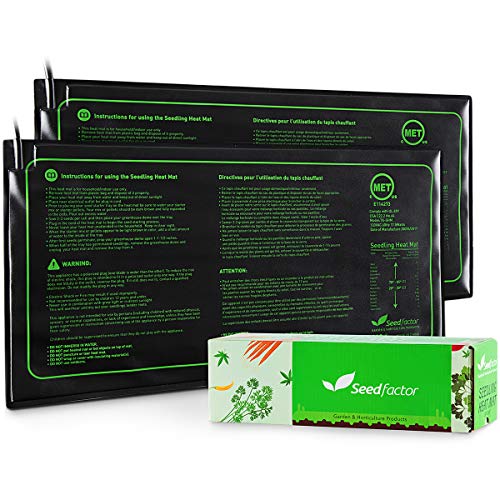
MET safety certified;Comply with UL 499;CSA C22.2 No.64
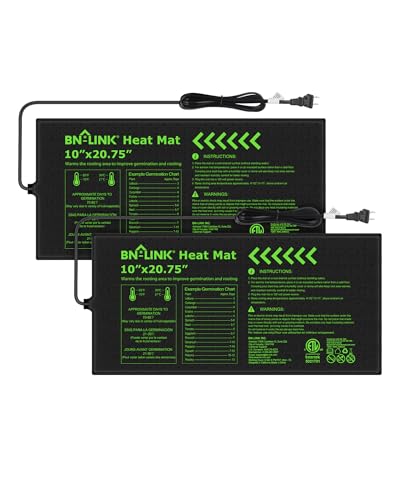
IDEAL GERMINATION TEMPERATURE: The BN-LINK seedling heat mats for seed starting helps maintain temperatures around 70°F to 85°F, the optimal range for seed germination, cutting propagation, and healthy seedling growth. Achieve faster germination and higher growth rates with seed heating mat.
Ensuring Proper Sunlight
Positioning: Place your grapefruit seedlings in a spot that receives at least 8 hours of direct sunlight daily. A sunny windowsill or a well-lit area in your garden is ideal for the seedlings to thrive.
Rotation: Rotate the seedlings regularly to ensure even sunlight exposure on all sides, promoting balanced growth and preventing leaning or reaching.
Maintaining Optimal Temperature
Warmth: Keep the growing area consistently warm, ideally between 65-85°F (18-29°C). Avoid placing the seedlings in drafty areas or near cold windows to prevent temperature fluctuations that can stress the plants.
Protection: In colder regions, consider using a heating mat to maintain the soil temperature around the seedlings, offering a stable and warm environment for healthy growth.
Watering Carefully
Moisture Levels: Ensure the soil is consistently moist but not waterlogged. Overwatering can lead to root rot, while underwatering can stunt growth. Check the soil regularly and water when the top inch feels dry to the touch.
Drainage: Provide adequate drainage in the growing containers to prevent water accumulation at the roots. Good drainage helps maintain the right moisture levels for healthy root development.
Fertilizing Appropriately
Balanced Nutrition: Once the grapefruit seedlings have developed a few sets of leaves, introduce a balanced liquid fertilizer diluted to half strength. Fertilize every 2-4 weeks during the growing season to support healthy growth.
Nutrient Needs: Look for a fertilizer specifically formulated for citrus trees to ensure they receive the necessary nutrients for robust development.
By following these guidelines to create the perfect growing conditions for your grapefruit tree from seed, you can set the stage for successful growth and cultivation. Remember, providing the right environment is key to nurturing strong and fruitful grapefruit trees in your home garden.
Nurturing the Seedlings
Now that you have successfully planted grapefruit seeds and they have started to sprout, it’s crucial to provide proper care to help them grow into healthy grapefruit trees. Here’s how you can nurture the seedlings effectively:
1. Sunlight Exposure
Position your grapefruit seedlings in a location where they can receive plenty of sunlight, ideally around 8 to 12 hours a day. Ensure they are not exposed to direct, intense sunlight for extended periods as this can damage the delicate young plants.
2. Optimal Temperature
Maintain a consistent temperature around your grapefruit seedlings, ideally between 65-85°F (18-29°C). Avoid placing them in drafty areas or near heat sources that could cause fluctuations in temperature, which can stress the young plants.
3. Careful Watering
Water your grapefruit seedlings regularly, ensuring the soil remains consistently moist but not waterlogged. Overwatering can lead to root rot, while underwatering can cause the plants to wither. Finding the right balance is key to healthy growth.
4. Balanced Fertilization
Fertilize your grapefruit seedlings with a balanced liquid fertilizer designed for young plants. Follow the instructions on the fertilizer packaging to avoid overfeeding, which can harm the delicate roots. A balanced fertilizer will provide essential nutrients for robust growth.
By paying attention to these nurturing practices, you can support the healthy development of your grapefruit seedlings and set the foundation for thriving grapefruit trees in the future. Remember, consistent care and attention are key to successful cultivation.
Monitoring Growth and Progress
After diligently planting your grapefruit seeds and providing optimal growing conditions, it’s crucial to monitor the growth and progress of your seedlings. Here’s how you can track the development of your grapefruit tree from seed:
Tracking Growth:
- Regular Observation: Keep a close eye on your seedlings’ growth by observing them regularly. Look for changes in the height of the plants and the development of new leaves.
- Measuring Height: Measure the height of the seedlings weekly using a ruler or measuring tape. Note down these measurements to track the growth rate over time.
- Leaf Development: Monitor the formation and growth of new leaves on the seedlings. Healthy growth should include vibrant green foliage without any signs of discoloration or wilting.
Assessing Progress:
- Root Growth: Occasionally check the root development of your seedlings by carefully uprooting one to inspect the root system. Healthy roots should be white or light-colored with a well-established network.
- Stem Strength: Gently touch the stem of the seedlings to assess their strength and rigidity. A strong stem indicates good growth progress.
- Overall Health: Take note of any changes in the overall health of the seedlings, including pests, diseases, or nutrient deficiencies. Address any issues promptly to ensure the continued growth of your grapefruit tree.
Adjustments and Care:
- Transplanting: When your seedlings outgrow their initial containers, consider transplanting them to larger pots to accommodate their growth.
- Nutrient Requirements: Adjust your fertilization schedule based on the growth rate of the seedlings. Ensure they receive adequate nutrients for healthy development.
- Pruning: As your grapefruit tree grows, consider light pruning to encourage bushier growth and strengthen the main stem.
- Growth Journal: Maintain a growth journal to record observations, measurements, and any changes in the seedlings. This documentation can help you track progress and identify any issues that may arise.
- Progress Photos: Take photos of your seedlings at regular intervals to visually track their growth and compare their development over time.
By actively monitoring the growth and progress of your grapefruit tree seedlings, you can ensure they are on the right track towards becoming healthy, thriving trees in the future. Keep up with consistent care and make adjustments as needed to support their development.
Conclusion
You’ve learned the essential steps to grow a grapefruit tree from seed successfully. By selecting and planting seeds correctly, providing optimal growing conditions, and monitoring the seedlings’ progress, you can nurture healthy trees. Remember, patience and consistent care are key to cultivating thriving grapefruit trees in your garden. Happy planting!
Frequently Asked Questions
How do I select the right grapefruit seeds for planting?
When selecting grapefruit seeds, opt for fresh seeds by harvesting from ripe fruits. Look for plump, healthy-looking seeds without any damage.
Why is viability testing important before planting grapefruit seeds?
Viability testing helps determine which seeds are most likely to germinate, saving time and effort by focusing on viable seeds for planting.
What are the key requirements for growing grapefruit seedlings successfully?
To grow grapefruit seedlings successfully, provide ample sunlight exposure, maintain consistent temperatures, water regularly but avoid overwatering, and fertilize as needed.
How can I monitor the growth and progress of my grapefruit seedlings?
Monitor grapefruit seedling growth by tracking development, assessing progress through visual cues, making care adjustments like transplanting or pruning, and maintaining a growth journal for reference.
