Close Menu
    Fruit Tree Hub
    • Home
    • Apple Trees
    • Lemon Trees
    • Mango Trees
    • Orange Trees
    • More Trees
      • Best Fruit Trees
      • Apricot Trees
      • Cherry Trees
      • Fig Trees
      • Lime Trees
      • Mulberry Trees
      • Peach Trees
      • Pear Trees
      • Plum Trees
      • Pomegranate Trees
    • Tips and Advice
      • Tools
    • About Us
      • Contact
      • Privacy Policy
    Fruit Tree Hub
    Home»Tips and Advice»When Do Pecan Trees Bear Fruit: A Guide to Nut Production and Growing Tips
    Tips and Advice

    When Do Pecan Trees Bear Fruit: A Guide to Nut Production and Growing Tips

    Martha JacksonBy Martha JacksonJanuary 30, 20257 Mins Read
    Share Facebook Twitter Pinterest WhatsApp Email
    Share
    Facebook Twitter LinkedIn Pinterest Telegram Email

    Have you ever wondered when your pecan trees will finally reward you with their delicious nuts? If you’re growing pecans or thinking about planting them, knowing when they bear fruit is key to your planning and patience.

    Contents show
    1 Key Takeaways
    2 Understanding Pecan Trees
    2.1 Growth Stages of Pecan Trees
    2.2 Factors Influencing Fruit Bearing
    2.3 Fruit Production Timeline
    3 Growth Stages of Pecan Trees
    3.1 Seedling Stage
    3.2 Maturity Stage
    4 Factors Influencing Fruit Bearing
    4.1 Climate Requirements
    4.2 Soil Conditions
    5 Typical Timeline for Fruit Bearing
    5.1 First Fruit Production
    5.2 Peak Production Years
    6 Conclusion
    7 Frequently Asked Questions
    7.1 How long does it take for pecan trees to produce nuts?
    7.2 What factors influence nut production in pecan trees?
    7.3 When do pecan trees reach peak production?
    7.4 What soil conditions are best for pecan trees?
    7.5 What are the growth stages of pecan trees?

    Key Takeaways

    • Growth Stages: Pecan trees go through distinct stages: Seedling (1-3 years), Juvenile (3-6 years), Mature (6-10 years), and Peak Production (12-20 years).
    • First Nut Production: Expect your pecan trees to start producing their first nuts between 4 to 6 years, but yields will still be low during this early phase.
    • Peak Yield: Optimal nut production occurs between 12 to 20 years, where mature trees can yield 50 to 100 pounds of pecans annually.
    • Pollination Importance: Cross-pollination is crucial for enhancing nut yields; planting multiple trees helps ensure effective pollination.
    • Soil and Climate: Pecan trees thrive in well-drained soils with a pH of 6.0 to 6.8 and require warm climates with sufficient frost-free days for healthy growth.
    • Tree Care: Regular pruning, fertilization, and pest management are essential for maintaining tree health and maximizing fruit-bearing capabilities.

    Understanding Pecan Trees

    Pecan trees (Carya illinoinensis) thrive in USDA hardiness zones 6 through 9. These trees grow best in deep, well-drained soils with a pH of 6.0 to 6.8. They require full sunlight for optimal growth and nut production.

    MUST READ
    What Fruit Trees Can Grow in Texas and How to Successfully Cultivate Them in Your Backyard

    Recommended Products

    Pecan Tree Fertilizer – Liquid Plant Food for Strong Nut Production, Healthy Leaf Growth & Stronger Root Development, 32 oz
    Pecan Tree Fertilizer – Liquid Plant Food for Strong Nut Production, Healthy Leaf Growth & Stronger Root Development, 32 oz

    Supports Nut Production & Growth – Helps promote consistent nut development and healthy foliage throughout the growing season.

    VIEW LATEST PRICE

    As an affiliate, we earn on qualifying purchases.

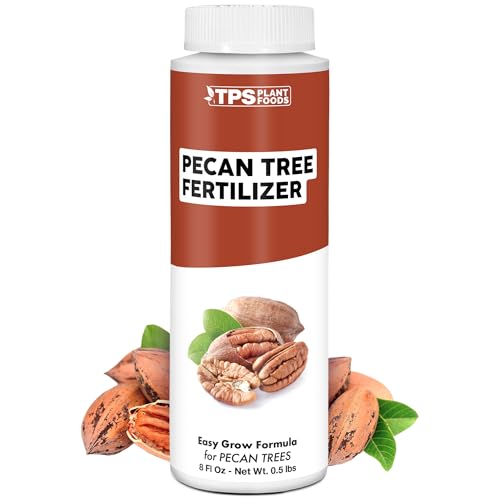
    Pecan Tree Fertilizer – Liquid Plant Food for Strong Nut Production, Healthy Leaf Growth & Stronger Root Development, 8 oz
    Pecan Tree Fertilizer – Liquid Plant Food for Strong Nut Production, Healthy Leaf Growth & Stronger Root Development, 8 oz

    Supports Nut Production & Growth – Helps promote consistent nut development and healthy foliage throughout the growing season.

    VIEW LATEST PRICE

    As an affiliate, we earn on qualifying purchases.

    Down To Earth All Natural Fertilizers Organic Fruit Tree - 6-2-4, 5 lb
    Down To Earth All Natural Fertilizers Organic Fruit Tree - 6-2-4, 5 lb

    Down to Earth Fruit Tree is a five pound box of all natural fertilizer with 6-2-4 formula and is listed by the Organic Materials Review Institute (OMRI) for use in organic production

    VIEW LATEST PRICE

    As an affiliate, we earn on qualifying purchases.

    Growth Stages of Pecan Trees

    1. Seedling Stage:
    • Pecan trees start as seeds or young seedlings. This stage lasts for two to three years.
    • During this time, you can expect minimal growth in nut production.
    1. Juvenile Phase:
    • The juvenile phase spans from approximately three to six years.
    • Trees focus on vegetative growth, developing leaves and branches.
    1. Mature Stage:
    • Pecan trees enter maturity around six to ten years of age.
    • This stage marks the beginning of nut production. You’ll notice a gradual increase in yield.
    1. Peak Production:
    • Full production occurs between 12 to 20 years.
    • At this point, your trees may produce 50 to 100 pounds of nuts annually.

    Factors Influencing Fruit Bearing

    1. Pollination:
    • Pecan trees are monoecious, meaning they have both male and female flowers.
    • Cross-pollination typically produces better yields. Planting multiple trees or varieties helps improve pollination rates.
    1. Environmental Conditions:
    • Weather plays a significant role in fruit bearing.
    • Early spring frosts can damage blooms, while drought conditions during the growing season can reduce nut quality and quantity.
    MUST READ
    How to Rid Ants from Fruit Trees: Effective Strategies for a Healthy Harvest
    1. Tree Health:
    • A healthy tree is more productive.
    • Regular pruning, fertilization, and pest control maintain optimal health and enhance fruit-bearing capabilities.

    Fruit Production Timeline

    Pecan trees follow a specific timeline for fruit production:

    Age (Years)Expected Nut Production
    1-3Minimal to none
    4-6Few nuts
    7-10Moderate yield
    11-20Substantial yield
    20+Peak production

    Use this timeline as a guide to manage expectations and plan for future harvests. Understanding these key aspects can help you cultivate a thriving pecan tree and enjoy its delightful nuts in due time.

    Growth Stages of Pecan Trees

    Understanding the growth stages of pecan trees helps you anticipate when your trees will bear fruit. Each stage plays a crucial role in the overall development and productivity of the tree.

    Recommended Products

    SouthernGRO Pecan & Fruit Tree Fertilizer 10lb. Bag (12-04-04 1% S 1% ZN)
    SouthernGRO Pecan & Fruit Tree Fertilizer 10lb. Bag (12-04-04 1% S 1% ZN)

    Source of nutrients for Pecan trees

    VIEW LATEST PRICE

    As an affiliate, we earn on qualifying purchases.

    Hi-Yield (34624) Zinc Sulfate, 3.25 lbs
    Hi-Yield (34624) Zinc Sulfate, 3.25 lbs

    Prevents and corrects rosette deficiency in pecan trees which causes deformity of fruit.

    VIEW LATEST PRICE

    As an affiliate, we earn on qualifying purchases.

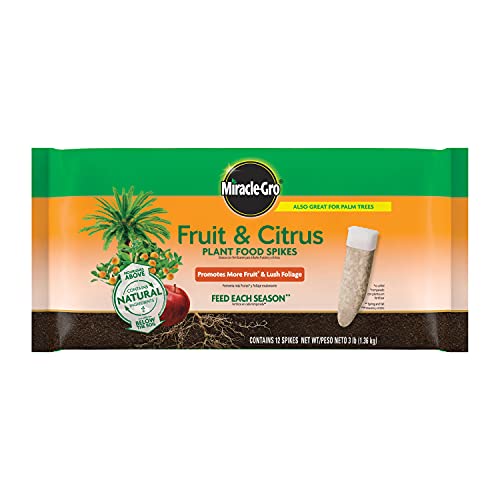
    Miracle-Gro Shake 'N Feed Palm Plant Food, 4.5 lb.
    Miracle-Gro Shake 'N Feed Palm Plant Food, 4.5 lb.

    Contains magnesium, iron and manganese to grow lush palms, cyads and tropical plants

    VIEW LATEST PRICE

    As an affiliate, we earn on qualifying purchases.

    Seedling Stage

    In the seedling stage, which lasts from 1 to 3 years, pecan trees focus on establishing roots and foliage. During this period, you may not see any fruit. The tree needs balanced watering and plenty of sunlight. Once the seedlings reach 3 feet tall, they become more resilient to environmental stress.

    • Watering: Keep the soil consistently moist but not waterlogged.
    • Sunlight: Provide at least 6 to 8 hours of direct sunlight daily.
    • Fertilization: Use a balanced fertilizer sparingly to encourage growth without overwhelming the young tree.

    Maturity Stage

    The maturity stage spans from 6 to 10 years, marking a turning point in fruit production. In this period, pecan trees begin producing their first nuts, though the yield may be low initially. With the right conditions, your tree will experience increased nut output as it approaches its peak production years.

    • Pollination: Ensure that you plant both male and female trees nearby for effective pollination.
    • Tree Health: Monitor for pests and diseases, as maintaining tree health directly impacts nut production.
    • Soil Health: Regularly test the soil pH and nutrient levels to support optimal growth conditions.
    MUST READ
    Does Okame Cherry Tree Produce Fruit and What Gardeners Need to Know

    By understanding these growth stages, you position yourself for a fruitful pecan harvest as your trees mature.

    Factors Influencing Fruit Bearing

    Several key factors influence the fruit-bearing of pecan trees. Understanding these elements helps you maximize nut production.

    Recommended Products

    YAMRON 4-in-1 Soil Moisture Meter Digital Plant Temperature/Soil Moisture/pH Meter/Sunlight Intensity Backlight LCD Display Soil Test Meter for Gardening, Farming and Outdoor Plants
    YAMRON 4-in-1 Soil Moisture Meter Digital Plant Temperature/Soil Moisture/pH Meter/Sunlight Intensity Backlight LCD Display Soil Test Meter for Gardening, Farming and Outdoor Plants

    【4 in 1 function】This is a 4-in-1 multifunctional soil tester.Our soil tester fastly to measure soil moisture, pH, temperature and sunlight to help you take better care of flowers and plants.You can know when you need to water your soil by measuring moisture and pH & Temperature value of the soil and sunlight level of plants with it.

    VIEW LATEST PRICE

    As an affiliate, we earn on qualifying purchases.

    Rapitest Soil Test Kit for Gardens, Vegetables, Flowers and Lawns. USA designed and assembled soil tester completely, quickly and accurately measures/analyzes soil pH acidity and garden nutrients.
    Rapitest Soil Test Kit for Gardens, Vegetables, Flowers and Lawns. USA designed and assembled soil tester completely, quickly and accurately measures/analyzes soil pH acidity and garden nutrients.

    Quick, at home results for Soil pH, Nitrogen, Phosphorous and Potash Innovative and inexpensive soil test kit features an easy-to-use capsule system and patented color comparators

    VIEW LATEST PRICE

    As an affiliate, we earn on qualifying purchases.

    SONKIR Soil pH Meter, MS02 3-in-1 Soil Moisture/Light/pH Tester Gardening Tool Kits for Plant Care, Great for Garden, Lawn, Farm, Indoor & Outdoor Use (Green)
    SONKIR Soil pH Meter, MS02 3-in-1 Soil Moisture/Light/pH Tester Gardening Tool Kits for Plant Care, Great for Garden, Lawn, Farm, Indoor & Outdoor Use (Green)

    Kindly NOTE: This soil tester can not be applied to test pH value of any other liquid. If the soil is too dry the indicator will not move, and water it before testing.

    MUST READ
    When Do Fig Trees Bear Fruit: A Complete Guide to Timing and Care for Optimal Harvest
    VIEW LATEST PRICE

    As an affiliate, we earn on qualifying purchases.

    Climate Requirements

    Pecan trees thrive in warm climates. They flourish in areas with summer temperatures between 80°F and 95°F. Extended periods of cold below 0°F can damage the trees. These trees also require a minimum of 120 frost-free days for proper nut development. Regions in USDA hardiness zones 6 through 9 offer ideal conditions. Specific examples include southern states like Texas, Georgia, and Alabama, where climate conditions suit optimal growth.

    Soil Conditions

    Soil quality significantly impacts pecan fruiting. Pecan trees prefer deep, well-drained soils with a pH between 6.0 and 6.8. Heavy clay or poorly drained soils can stunt growth and reduce nut yields. Organic matter, such as compost, can improve soil structure and fertility. It’s also essential to conduct regular soil tests to monitor nutrient levels. For instance, adding phosphorus can enhance nut production if levels are low. Ensuring these soil conditions creates a foundation for healthy trees and a bountiful harvest.

    Typical Timeline for Fruit Bearing

    Pecan trees follow a specific timeline for fruit production, which varies based on several factors. Understanding these stages helps you anticipate when your trees will produce nuts.

    First Fruit Production

    Pecan trees typically start producing their first fruits between 4 to 6 years after planting. During this initial phase, you might notice small clusters of nuts. However, don’t expect large yields; the quantity of nuts will remain low as the trees are still maturing. Focus on proper care, including adequate water and nutrients, to support healthy growth during this time.

    Peak Production Years

    Pecan trees reach peak production between 12 to 20 years of age. During this period, the yield substantially increases, often producing 50 to 100 pounds of nuts per tree annually. Factors influencing peak production include tree health, effective pollination, and environmental conditions. Maintaining soil quality and ensuring proper care during this stage optimizes nut output and enhances overall tree vitality.

    MUST READ
    Can I Prune Fruit Trees in August for Healthy Growth and Better Fruit Production

    Conclusion

    Growing pecan trees can be a rewarding experience when you understand their fruit-bearing timeline. With patience and proper care you can expect your trees to start producing nuts within 4 to 6 years. As they mature they’ll increase their yield significantly.

    By keeping an eye on factors like pollination and tree health you’ll set yourself up for success. Remember that peak production happens between 12 to 20 years, so enjoy the journey as you nurture your trees. Soon enough you’ll be savoring the delicious rewards of your hard work. Happy planting!

    Frequently Asked Questions

    How long does it take for pecan trees to produce nuts?

    Pecan trees typically start producing their first nuts between 4 to 6 years after planting. Initial yields are often low, as the trees are still establishing themselves.

    What factors influence nut production in pecan trees?

    Key factors influencing nut production include effective pollination, tree health, soil conditions, and environmental factors like sunlight and moisture. Proper care during growth stages is essential for optimal yields.

    When do pecan trees reach peak production?

    Pecan trees usually reach peak production around 12 to 20 years of age, yielding around 50 to 100 pounds of nuts annually. Consistent care and healthy growing conditions contribute to maintaining peak production.

    What soil conditions are best for pecan trees?

    Pecan trees thrive in deep, well-drained soils with a pH between 6.0 to 6.8. They require full sunlight for optimal growth, making site selection crucial for successful cultivation.

    What are the growth stages of pecan trees?

    Pecan trees progress through several growth stages: the seedling stage (1-3 years), juvenile phase (3-6 years), maturity stage (6-10 years), and peak production phase (12-20 years), each with specific care needs and fruiting expectations.

    Share. Facebook Twitter Pinterest LinkedIn Tumblr Email
    martha jackson
    Martha Jackson

      Martha Jackson is an accomplished freelance writer and editor with a strong interest in gardening. With a degree in English from the University of California, Berkeley, Martha has over 15 years of experience writing for a variety of publications. She is passionate about making gardening accessible to all and is always seeking out new techniques and innovations.

      Related Posts

      How Long Until Avocado Trees Bear Fruit and Tips for Faster Growth at Home

      February 20, 2025

      What Yellow Fruit Grows on Trees and Their Delicious Health Benefits

      February 20, 2025

      How to Air Layer Fruit Trees: A Step-by-Step Guide for Successful Propagation

      February 20, 2025

      When Do Grapefruit Trees Produce Fruit and How to Maximize Your Harvest

      February 20, 2025

      What Is a Fast Growing Fruit Tree: Discover Quick-Yield Options for Your Garden

      February 20, 2025

      Do Cherry Blossom Trees Have Fruit? Discover the Truth About Their Edibility and Benefits

      February 20, 2025
      Leave A Reply Cancel Reply

      Affiliate Disclosure

      As an Amazon Associate I earn from qualifying purchases.

      Recommended Reading

      Which Fruit Trees Grow in El Paso, TX? (High Desert Solutions)

      How to Graft Fruit Trees Video: Step-by-Step Guide for Thriving Backyard Gardens

      Orange Trees in a Pot in New Hampshire (Northern Potted Secrets)

      How to Graft a Citrus Fruit Tree: Essential Steps for Thriving Homegrown Fruits

      Is Banyan Tree Fruit Edible? Discover Its Health Benefits and Culinary Uses

      What Kind of Fruit Trees Grow in Michigan: Best Varieties and Growing Tips for Your Garden

      Can You Eat Osage Orange Tree Fruit and What You Need to Know About Its Safety and Alternatives

      Unlocking the Pollination Secrets of Karla Rose Nectarine Trees for Fruitful Harvests

      Is Joshua Tree Fruit Edible? Discover Its Health Benefits and Culinary Uses

      Walnut Trees in Washington (Pacific Northwest Growth Tips)

      Fruit Tree Hub

      Fruit Tree Hub is a website dedicated to providing you everything you need to grow fruit trees successfully at in your own yard.

      Contact us at: [email protected]

      - AFFILIATE DISCLOSURE: As an Amazon Associate I earn from qualifying purchases.

      Latest Posts

      Can Olive Trees Grow in New Jersey? Garden State Growth Tips

      Can Star Fruit Trees Grow in Missouri? Expert Variety Guide

      How to Grow Jujube Trees in Las Vegas, NV: Desert Growth

      Mango Trees in Illinois: Indoor and Greenhouse Growth Secrets

      Growing Papaya Trees in Oklahoma: High Heat Resilience

      Tamarind Trees in a Pot in Ohio (Complete Maintenance Manual)

      Can Fig Trees Grow in Long Beach, CA? Coastal Salt Tips

      Plum Trees in District of Columbia (Urban Microclimate Tips)

      Categories
      • Almond Trees
      • Apple Trees
      • Apricot Trees
      • Best Fruit Trees
      • Blackberry
      • Cantaloupe
      • Cherry Trees
      • Crochet Ideas
      • Crochet Ideas for Beginners
      • Cucamelon
      • Easy Crochet Ideas
      • Easy Knitting Projects
      • Fig Trees
      • Grapefruit Trees
      • Grapes
      • Guava Trees
      • Honeydew
      • Jujube Trees
      • Kiwi
      • Knitting For Beginners
      • Knitting Ideas
      • Knitting Inspiration
      • Lemon Trees
      • Lime Trees
      • Loquat Trees
      • Mango Trees
      • Mulberry Trees
      • Nectarine Trees
      • Olive Trees
      • Orange Trees
      • Papaya Trees
      • Peach Trees
      • Pear Trees
      • Persimmon Trees
      • Planting
      • Plum Trees
      • Pomegranate Trees
      • Quince Trees
      • Raspberry
      • Reviews
      • Small Crochet Ideas
      • Star Fruit Trees
      • Summer Crochet Ideas
      • Tamarind Trees
      • Tangerine Trees
      • Tips and Advice
      • Tools
      • Uncategorized
      • Walnut Trees
      © 2026 Fruit Tree Hub
      • Home
      • About Us
      • Contact
      • Privacy Policy
      • Terms and Conditions
      • Disclaimer
      • Editorial Policy
      • Affiliate Disclosure

      Type above and press Enter to search. Press Esc to cancel.