

Growing peach trees in Georgia can yield a massive harvest with the right techniques. Selecting the right varieties and implementing effective care practices are essential for success in this climate.
Best Peach Tree Varieties for Georgia
Choosing the right peach tree varieties is crucial for maximizing your harvest. Georgia’s climate supports several types, including freestone and clingstone peaches. Freestone peaches are easier to process and eat fresh, while clingstone varieties are often used for canning and preserves.
Consider these popular varieties for Georgia:
Elberta: Known for its sweet flavor and large fruit.
Redhaven: Early ripening and disease-resistant.
Contender: Hardy and produces well in varying conditions.
| Variety | Ripening Time | Flavor Profile | Disease Resistance |
|---|---|---|---|
| Elberta | Mid-July | Sweet | Moderate |
| Redhaven | Early July | Juicy | High |
| Contender | Late July | Sweet and tart | Very High |
Recommended Products

Fruit Characteristics: Produces medium-sized peaches with pale skin, red blush, white flesh, and firm sweet texture that ripens in late summer

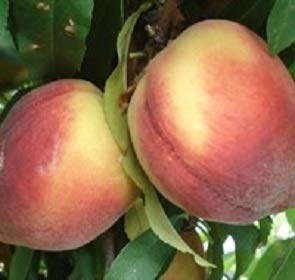
These are ready to plant and should be put in the ground according to the included instructions upon arrival. All pictures are of fully grown plants. Sizes shipped are in the title and description. Deciduous plants do not have leaves in the winter.
Soil Preparation for Peach Trees in Georgia
Preparing the right soil is crucial for achieving a bountiful peach harvest in Georgia. The state’s unique climate and soil conditions require specific techniques to ensure optimal growth and fruit production. Understanding how to amend and nurture the soil will set the foundation for healthy peach trees and abundant yields.
Soil preparation is key to healthy peach tree growth. Georgia’s soil can vary, so conducting a soil test is advisable to determine pH and nutrient levels. Aim for a pH between 6.0 and 6.8 for optimal growth.
Follow these steps for effective soil preparation:
Test the soil for pH and nutrients.
Amend the soil with compost or well-rotted manure to improve fertility.
Till the soil to a depth of at least 12 inches to aerate and mix amendments.
Create raised beds if drainage is a concern, as peach trees prefer well-drained soil.
Optimal Watering Strategies for Peach Trees
Effective watering is crucial for achieving a bountiful peach harvest in Georgia’s unique climate. Understanding the specific needs of peach trees, including timing and techniques, can significantly enhance fruit quality and yield. This section delves into optimal watering strategies tailored for successful peach cultivation in the region.
Watering practices significantly impact peach tree health and fruit production. Georgia experiences hot summers, making consistent moisture essential.
Use these watering strategies:
Drip irrigation: Provides consistent moisture directly to the roots.
Mulching: Retains soil moisture and reduces weed competition.
Deep watering: Encourage roots to grow deeper by watering less frequently but more thoroughly.
Recommended Products
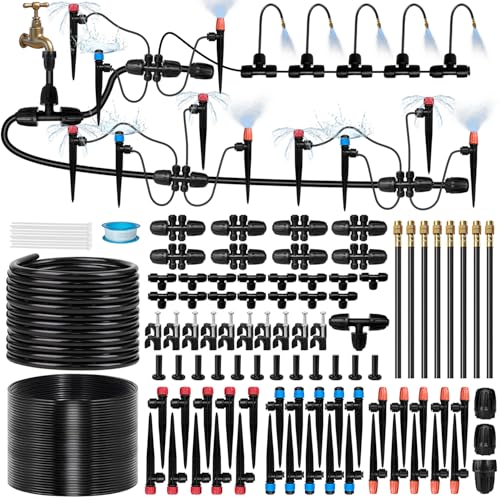
【Upgraded Tube Design & Water Saving】 Our garden watering system is upgraded to 1/2” diameter to support high water pressure. The 1/2” tee connector allows seamless splitting into 2 independent zones for customized watering schedules. By delivering moisture directly to root zones, this drip Irrigation system significantly reduces evaporation and runoff—saving more water compared to conventional sprinklers while eliminating the need for manual watering.
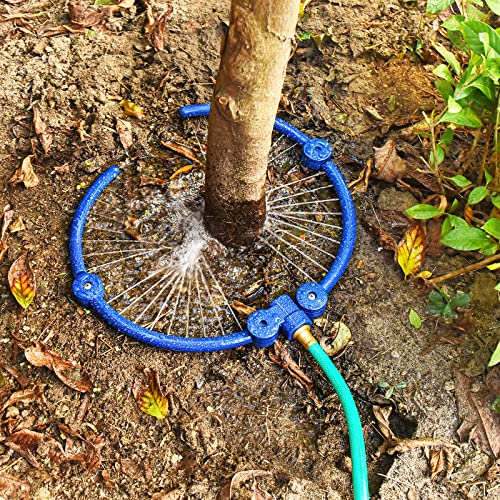
【Specially Designed for Trees and Shrubs】 The Watering Ring is a multi-purpose irrigation ring that attaches to a garden hose to efficiently water young trees shrubs vegetables or flower beds using drip or trickle irrigation.It directs water to the root perimeter of the plant to give them a good start during the first two growing seasons or through periods of drought.

NO MORE HARD INSTALLATION - SET UP IN MINUTES. Tired of struggling with stiff barbed fittings? This drip irrigation system features quick-connect fittings that let you push, lock, and secure tubing effortlessly. No tools, no leaks, just a smooth setup experience. Enjoy a frustration-free installation and get your garden watering system running in minutes.
Peach Tree Pest and Disease Control
Managing pests and diseases is crucial for ensuring a bountiful peach harvest in Georgia. Understanding the common threats that peach trees face, along with effective control methods, will help you maintain healthy trees and maximize fruit production. This section will explore the best practices for protecting your peach trees from harmful invaders and diseases.
Regular monitoring for pests and diseases is vital for a successful peach harvest. Common issues include peach tree borers and brown rot.
Consider these management strategies:
Inspect trees regularly for signs of pests or disease.
Apply organic pesticides as a preventive measure.
Prune trees in late winter to improve air circulation and reduce disease risk.
| Pest/Disease | Symptoms | Control Method |
|---|---|---|
| Peach Tree Borer | Holes in the bark | Apply insecticide |
| Brown Rot | Soft, brown spots on fruit | Remove infected fruit |
| Leaf Curl | Curling leaves | Apply fungicide early |
Recommended Products

STOPS THE PATCHES SPREADING - Brown patch, dollar spot, summer patch and rust start small and move fast in warm, damp weather. Treat at the first discolored ring, not once the lawn thins out.

Made for Peach Trees - This peach tree fertilizer is formulated specifically to support healthy growth and fruiting in peach trees.
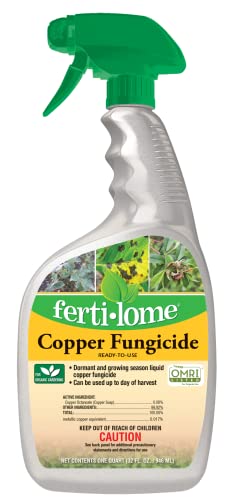
VERSATILE FUNGICIDE - This product fights Needle Blight, Blackspot, Anthracnose, Leaf and Fruit Spot, Cedar Apple Rust, Powdery Mildew, Early and Late Blight on Tomatoes, and Peach Leaf Curl.
Peach Tree Pruning Techniques for Better Yields
Pruning is a crucial practice for maximizing peach yields in Georgia’s unique climate. By understanding the specific techniques that enhance growth and fruit production, gardeners can significantly improve their harvest. This section delves into effective pruning methods tailored for peach trees, ensuring a bountiful crop each season.
Pruning is essential for maintaining the shape and health of peach trees. Proper pruning enhances sunlight penetration and air circulation, leading to better fruit quality.
Follow these pruning guidelines:
Remove dead or diseased wood to promote healthy growth.
Thin out crowded branches to improve air circulation.
Shape the tree to an open center to allow sunlight to reach all branches.
Peach Tree Fertilization Techniques
Fertilizing peach trees is essential for achieving a bountiful harvest in Georgia’s unique climate. Understanding the right techniques and timing can significantly enhance fruit quality and yield. This section delves into effective fertilization methods tailored specifically for peach trees, ensuring they thrive and produce an abundant crop.
Proper fertilization supports healthy peach tree development and fruit production. Use a balanced fertilizer to ensure trees receive essential nutrients.
Apply fertilizer according to these steps:
Test soil to determine nutrient needs.
Choose a balanced fertilizer with equal parts nitrogen, phosphorus, and potassium.
Apply in early spring before new growth begins.
| Fertilizer Type | N-P-K Ratio | Application Timing |
|---|---|---|
| Balanced Fertilizer | 10-10-10 | Early Spring |
| Organic Compost | Varies | Throughout Growing Season |
Optimal Peach Harvest Timing
Timing is crucial for achieving a bountiful peach harvest in Georgia’s unique climate. Understanding the optimal periods for planting, pruning, and harvesting can significantly impact fruit quality and yield. This section delves into the best practices for timing your peach tree care to ensure a thriving crop.
Timing your harvest is crucial for achieving the best flavor and texture in your peaches. Monitor fruit color and firmness to determine the right moment.
Consider these tips for harvesting:
Check color: Peaches should have a rich, golden hue.
Test firmness: Fruit should yield slightly to gentle pressure.
Pick in the morning: Cooler temperatures help maintain fruit quality.
Implementing these strategies will lead to a flourishing peach orchard in Georgia. With careful selection, preparation, and maintenance, you can enjoy a bountiful harvest.
