

Have you ever wondered what the largest tree-borne fruit is? It’s a fascinating question that not only sparks curiosity but also opens the door to a world of amazing plants. Imagine strolling through a lush garden and coming across a fruit so large it seems almost unbelievable.
Key Takeaways
- Largest Tree-Borne Fruit: The jackfruit holds the title for the largest tree-borne fruit, weighing up to 80 pounds and measuring over 36 inches in length, while other large fruits include durian and breadfruit.
- Diverse Types of Tree-Borne Fruits: Tree-borne fruits comprise various categories, including citrus, stone, pome fruits, and drupes, each offering unique flavors and textures.
- Nutritional Benefits: Consuming tree-borne fruits delivers essential vitamins and fiber; for example, jackfruit is rich in vitamin C and fiber, while breadfruit provides potassium and magnesium.
- Optimal Growing Conditions: These fruits thrive in tropical and subtropical climates with well-draining, nutrient-rich soil and specific watering needs for healthy growth.
- Unique Characteristics: Large fruits are distinguished by their significant size, unique taste experiences, and impressive nutritional profiles that enhance a balanced diet.
Overview of Tree Borne Fruits
Tree borne fruits grow on trees, providing a variety of flavors, textures, and nutritional benefits. These fruits emerge from flowering plants, maturing through different stages. Understanding these stages leads to a greater appreciation for their uniqueness.
Types of Tree Borne Fruits
- Citrus Fruits: Examples include oranges, lemons, and grapefruits. They offer refreshing flavors and are rich in vitamin C.
- Stone Fruits: Fruits like peaches, cherries, and plums sport a large pit. Their sweet taste and juicy flesh make them popular in desserts.
- Pome Fruits: Apples and pears fall into this category. Their crisp texture and sweet to tart flavors appeal to many.
- Drupes: Fruits such as coconuts and olives possess a hard stone inside. They often provide healthy fats or oils.
Characteristics of Tree Borne Fruits
- Size: Tree borne fruits can range from small, like cherries, to large, like the jackfruit.
- Texture: Textures vary. Some fruits, like apples, are crunchy, while others, like peaches, are soft and juicy.
- Taste: Flavors can range from sweet to tart, depending on the fruit. Experimenting with different tree borne fruits exposes you to new taste experiences.
Growing Conditions
Tree borne fruits thrive in diverse environments. Factors influencing growth include:
- Climate: Some fruits, such as citrus, flourish in warm climates. Others, like apples, prefer cooler temperatures.
- Soil Quality: Well-drained soil supports healthy growth. Nutrients like nitrogen, phosphorus, and potassium are crucial for development.
- Watering Needs: Each fruit tree has distinct watering requirements. Regular, balanced watering promotes healthy fruit production.
Nutritional Benefits
Eating tree borne fruits offers numerous health advantages. They supply essential vitamins, minerals, and fiber. For example:
- Vitamin C: Citrus fruits enhance your immune system.
- Antioxidants: Berries, like cherries, help combat oxidative stress.
- Fiber: Apples support digestive health with their high fiber content.
These nutritional benefits contribute to a balanced diet, making tree borne fruits a valuable addition to your meals.
Characteristics of Large Fruits
Large fruits stand out in the botanical world due to their impressive size and unique qualities. Understanding these characteristics helps you appreciate their presence in nature and their benefits.
Recommended Products

100% JACKFRUIT: Made from real, ripe jack fruit only, no artificial additives, preservatives, or oils.


Size and Weight
Size significantly influences how you view fruit. The largest tree-borne fruit, the jackfruit, can weigh up to 80 pounds and reach lengths of over 36 inches. Other large fruits include the breadfruit and the durian, both known for their substantial size. These fruits often grow in clusters on trees, showcasing nature’s ability to produce impressive specimens. Their sheer weight and volume can surprise you, as they often surpass common fruit sizes found in grocery stores.
Nutritional Value
Large fruits offer diverse nutritional benefits. Jackfruit, for instance, contains about 95 calories per 100 grams, along with fiber, vitamin C, and various B vitamins. Breadfruit supplies essential nutrients like potassium and magnesium, contributing to heart health and overall wellness. The richness of these fruits serves as an excellent addition to a balanced diet. Consuming large fruits can enhance your meals by providing unique flavors and significant health benefits.
Examples of Large Tree Borne Fruits
Large tree-borne fruits captivate with their impressive sizes and unique flavors. Here are three remarkable examples.
Recommended Products

Durian is widely known as the King of Fruit

Trade name: fresh durian soft cake, Durian fruit pulp content >=20%, durian flavor paste cake, durian cookies, instant meal substitute breakfast, Dim sum, healthy and nutritious candied fruit snacks, biscuit gift package, sweets, wedding candy, office casual snacks.

𝐓𝐑𝐀𝐃𝐈𝐓𝐈𝐎𝐍𝐀𝐋 𝐏𝐀𝐂𝐈𝐅𝐈𝐂 𝐁𝐑𝐄𝐀𝐃𝐅𝐑𝐔𝐈𝐓: Enjoy fresh whole breadfruit, also known as ulu or panapen, a traditional Pacific Island crop valued for its place in regional food culture and generations of culinary traditions.
Jackfruit
Jackfruit stands out as the largest tree-borne fruit, weighing up to 80 pounds and measuring over 36 inches in length. This tropical fruit has a spiky green exterior that transitions to a bright yellow interior when ripe. Jackfruit has a sweet and fruity flavor, making it popular in both sweet and savory dishes. Nutritionally, jackfruit is rich in fiber, vitamin C, and B vitamins, supporting digestive health and boosting the immune system.
Durian
Durian, often termed the “king of fruits,” is known for its distinctive shape and odor. Weighing up to 4 to 8 pounds, this evergreen fruit features a thorny husk. Inside, its creamy flesh offers a unique combination of sweet and savory flavors. Durian is high in carbohydrates, vitamins C and B, and essential minerals. Although some find its smell off-putting, many enjoy the rich taste and creamy texture of this exotic fruit.
Breadfruit
Breadfruit typically weighs between 1 to 10 pounds, with a round or oval shape covered in a green, bumpy skin. When cooked, breadfruit has a starchy texture similar to potatoes and a mildly sweet flavor. It serves as a versatile ingredient in both savory and sweet dishes. Breadfruit is an excellent source of potassium, vitamin C, and dietary fiber, making it a nutritious addition to your meals.
These large tree-borne fruits not only deliver on taste but also provide significant nutritional value, enriching your diet with varied flavors and health benefits.
Growing Conditions for Large Fruits
Growing large fruits like jackfruit, breadfruit, and durian requires specific conditions to thrive. Understanding these factors helps you cultivate a healthy tree and maximize fruit production.
Recommended Products

Down to Earth Fruit Tree is a five pound box of all natural fertilizer with 6-2-4 formula and is listed by the Organic Materials Review Institute (OMRI) for use in organic production
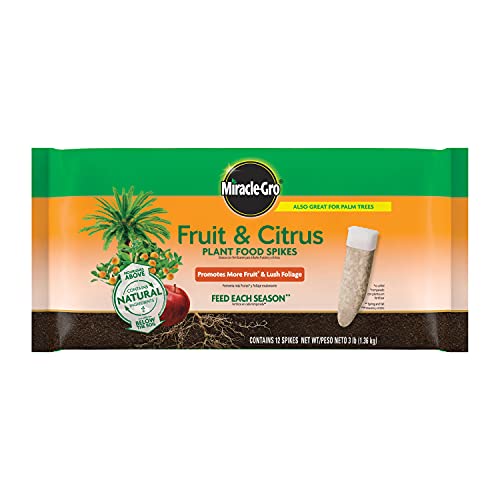
FORMULATED FOR CITRUS AND FRUIT TREES: Use these citrus fertilizer spikes on apple, orange, lemon, lime, and avocado trees; this formula is also great for feeding palm trees
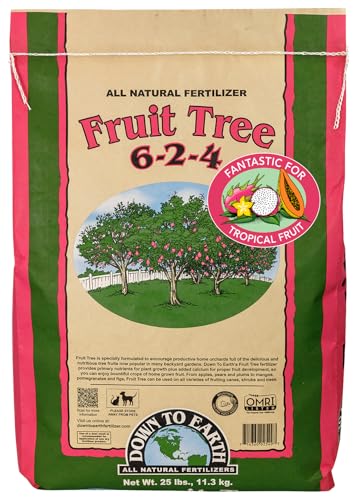
Down to Earth Fruit Tree is a twenty-five pound bag of all natural fertilizer with 6-2-4 formula and is listed by the Organic Materials Review Institute (OMRI) for use in organic production
Climate Requirements
Large fruits flourish in tropical and subtropical climates. Temperatures between 70°F and 100°F (21°C to 37°C) provide the warmth these trees need. These plants require a minimum of 60 inches (150 cm) of rainfall annually, ideally spread throughout the year. When planting in regions with colder temperatures, you may need to consider protection methods or indoor growing options to help the trees survive.
Soil Preferences
Large fruits prefer well-draining soil rich in organic matter. A pH level between 5.5 and 7.0 creates optimal conditions for growth. Sandy loam or loamy soil tends to support good drainage while retaining necessary moisture and nutrients. To enhance soil quality, you can incorporate compost or well-rotted manure into your planting area. Regular soil testing ensures nutrient levels remain sufficient, allowing your trees to thrive.
Conclusion
Exploring the world of tree-borne fruits opens up a treasure trove of flavors and benefits. From the remarkable jackfruit to the unique durian each fruit brings its own story and nutritional perks.
As you venture into gardening or simply enjoy these fruits at your local market remember that they’re not just delicious but also packed with essential nutrients. Whether you’re savoring a slice of breadfruit or experimenting with jackfruit in your recipes there’s always something new to discover.
So next time you bite into one of these giant fruits take a moment to appreciate the wonder of nature’s bounty. Happy tasting!
Frequently Asked Questions
What is the largest tree-borne fruit?
The largest tree-borne fruit is the jackfruit, which can weigh up to 80 pounds and measure over 36 inches in length. Its impressive size and unique qualities make it stand out among other large fruits like breadfruit and durian.
What types of tree-borne fruits are there?
Tree-borne fruits are categorized into several types, including citrus fruits (oranges, lemons), stone fruits (peaches, cherries), pome fruits (apples, pears), and drupes (coconuts, olives). Each type has distinct flavors and textures.
What are the nutritional benefits of tree-borne fruits?
Tree-borne fruits are rich in essential vitamins, minerals, and fiber. For example, jackfruit is high in vitamin C and B vitamins, while breadfruit offers potassium and magnesium, vital for heart health and overall wellness.
What conditions do large tree-borne fruits need to grow?
Large tree-borne fruits thrive in tropical and subtropical climates, needing temperatures between 70°F and 100°F and at least 60 inches of rainfall annually. Nutrient-rich, well-draining soil with a pH level of 5.5 to 7.0 is ideal.
How can I improve soil for growing tree-borne fruits?
To enhance soil quality for growing tree-borne fruits, incorporate compost to boost nutrients. Regular soil testing helps ensure optimal pH and nutrient levels, supporting healthy tree growth and fruit production.
