

Growing apple trees in Irving, TX requires careful selection of varieties and attention to local climate conditions. Choosing disease-resistant types and implementing proper care techniques will lead to a fruitful harvest.
Best Apple Varieties for Irving’s Climate
Selecting the right apple varieties is crucial for successful cultivation in Irving’s unique climate. This section highlights the best apple types that thrive in urban North Texas, taking into account factors like heat tolerance and disease resistance. Understanding these varieties will help local gardeners maximize their yields and enjoy a fruitful harvest.
Choosing the right apple tree variety is crucial for successful growth in Irving’s climate. The area experiences hot summers and mild winters, which can affect fruit production. Ideal varieties for this region include:
Texas Star: A heat-tolerant variety that produces sweet apples.
Anna: This variety thrives in warmer climates and bears fruit early in the season.
Dorsett Golden: Known for its crisp texture and sweet flavor, it also adapts well to heat.
Consider local nurseries for availability and additional recommendations.
Recommended Products

🍏 Sweet & Crisp Fruit – Produces delicious golden-yellow apples with a refreshing, juicy flavor.
🍏 Sweet & Crisp Fruit – Produces delicious golden-yellow apples with a refreshing, juicy flavor.

Product Quantity: 200+ organic apple seeds in each packet; Carefully selected for optimal viability; Perfect for starting multiple trees or sharing with other gardeners
Soil Preparation Techniques for Apple Trees
Preparing the right soil is essential for successful apple tree cultivation in Irving, TX. The unique climate and soil conditions of urban North Texas require specific techniques to ensure optimal growth and fruit production. Understanding the best practices for soil preparation will set the foundation for healthy apple trees in your garden.
Soil preparation is essential for healthy apple tree growth. The soil should be well-draining and rich in organic matter. Follow these steps to prepare your soil:
Test Soil pH: Aim for a pH between 6.0 and 7.0.
Amend Soil: Add compost or well-rotted manure to improve nutrient content.
Tilling: Loosen the soil to a depth of at least 12 inches to encourage root growth.
Soil Preparation for Urban Apple Trees
Preparing the soil is a crucial step for successfully growing apple trees in the urban environment of Irving, TX. The right soil conditions can significantly impact tree health and fruit production, making it essential to understand local soil types and necessary amendments. This section will guide you through the best practices for soil preparation tailored to the unique challenges of urban North Texas.
| Soil Component | Recommended Action | Purpose |
|---|---|---|
| pH Testing | Use a soil test kit | Determine acidity |
| Compost | Incorporate 2-3 inches | Enhance nutrients |
| Tilling | Break up compacted soil | Improve drainage |
Apple Tree Planting Methods for Urban Areas
Planting apple trees in urban areas like Irving, TX requires careful consideration of space, soil, and climate. Understanding the best methods for planting can ensure healthy growth and fruitful yields, even in a bustling city environment. This section explores effective techniques tailored for urban apple tree cultivation.
Proper planting techniques ensure that apple trees establish strong roots. Timing and method are key factors. Follow these steps for successful planting:
Choose a Planting Date: Early spring or fall is ideal.
Dig a Hole: Make it twice as wide as the root ball and as deep as needed.
Place Tree: Set the tree in the hole, ensuring the graft union is above soil level.
Backfill: Fill the hole with soil and water thoroughly.
Apple Tree Planting Depth Guidelines
Planting apple trees at the correct depth is crucial for their successful growth, especially in the unique climate of Irving, TX. Understanding the specific requirements for planting depth can help ensure that your trees establish strong roots and thrive in an urban North Texas environment. This section provides essential guidelines to help you achieve optimal planting conditions.
Do not plant apple trees too deep as this can lead to root rot.
Irrigation and Nutrient Management Techniques
Effective irrigation and nutrient management are crucial for successfully growing apple trees in the unique climate of Irving, TX. Understanding local water availability and soil conditions will help you tailor your approach, ensuring your trees thrive in an urban North Texas environment. This section explores practical techniques to optimize both water and nutrient delivery for healthy apple production.
Watering and fertilization are vital for apple tree health. In Irving, the hot climate can lead to rapid soil drying. Implement these strategies:
Watering Schedule: Water deeply once a week, adjusting frequency based on rainfall.
Fertilization: Use a balanced fertilizer in early spring and again in late summer.
Apple Tree Fertilization Timing Guide
Fertilizing apple trees at the right time is crucial for their growth and fruit production, especially in the unique climate of Irving, TX. Understanding the optimal fertilization schedule can help ensure your trees thrive in an urban environment, yielding healthy apples. This guide provides essential timing tips tailored for apple tree care in North Texas.
| Fertilizer Type | Application Time | Amount |
|---|---|---|
| Balanced Fertilizer | Early Spring | 1 pound per tree |
| Late Summer Fertilizer | Late Summer | 0.5 pounds per tree |
Urban Apple Tree Pest Control Strategies
Managing pests is crucial for the successful growth of apple trees in urban settings like Irving, TX. With the unique challenges posed by the local environment, effective pest control strategies can help ensure healthy trees and a bountiful harvest. This section explores practical methods tailored for urban apple tree care in North Texas.
Pests and diseases can threaten apple trees in urban environments. Regular monitoring and proactive measures are essential. Key pests include:
Aphids: Small, sap-sucking insects that can weaken trees.
Coddling Moth: Larvae can damage fruit, requiring traps for control.
Implement integrated pest management strategies, including:
Regular Inspections: Check leaves and fruit for signs of infestation.
Organic Treatments: Use neem oil or insecticidal soap for pest control.
Recommended Products
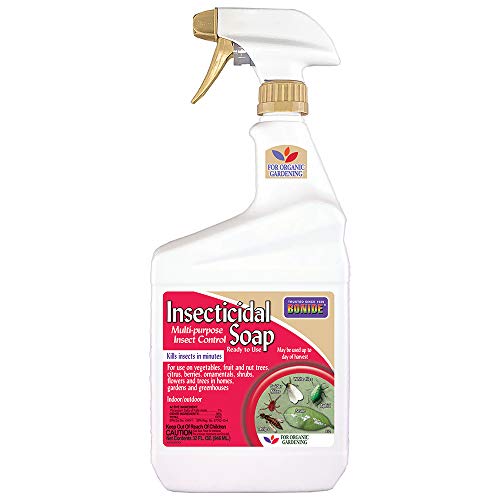
Captain Jack's Insecticidal Super Soap controls species of adelgid, ant, aphid, borer, caterpillar, spider mite, cricket, chinch bug, weevil, fly, thrip, and more

READY-TO-USE CONTACT SPRAY: No mixing required. Thoroughly spray insecticide on all plant parts, including the underside of leaves. Pests must be sprayed directly to achieve control

Protect your oasis with Captain Jack’s Neem Max Ready-to-Use Spray; this multipurpose product acts as a 4-in-1 insecticide, fungicide, miticide and nematicide
Apple Tree Disease Management Strategies
Managing diseases in apple trees is crucial for successful cultivation, especially in the unique climate of Irving, TX. Understanding common ailments and implementing effective strategies can help ensure healthy growth and fruitful yields. This section outlines practical approaches to disease management tailored for urban North Texas apple growers.
Prune Regularly: Remove dead or diseased branches to improve airflow.
Choose Resistant Varieties: Select apple varieties that are less susceptible to common diseases.
Optimal Apple Harvesting Methods in North Texas
Harvesting apples in North Texas requires an understanding of the region’s unique climate and growing conditions. In Irving, the right techniques can significantly enhance both the quality and quantity of your yield. This section explores effective methods tailored to maximize your apple harvest, ensuring you enjoy the fruits of your labor.
Harvesting apples at the right time ensures the best flavor and quality. Monitor the fruit for signs of ripeness. Follow these steps for successful harvesting:
Check Color: Apples should have a rich color, specific to their variety.
Test Firmness: Gently squeeze the fruit; it should feel firm but not hard.
Twist and Lift: Harvest by twisting the apple gently while lifting it from the branch.
Harvest Timing for Apple Trees in Irving
Understanding the optimal harvest timing for apple trees in Irving, TX is crucial for maximizing fruit quality and yield. This section will provide insights into the specific indicators that signal when apples are ready to be picked, tailored to the unique climate and growing conditions of urban North Texas. Proper timing can make all the difference in enjoying a bountiful harvest.
Timing is critical for a successful harvest to maximize taste and texture.
Harvesting Techniques for Irving Apple Trees
Harvesting apple trees in Irving, TX requires attention to timing and technique to ensure the best yield and fruit quality. Understanding the local climate and the specific varieties grown can help optimize the harvest process. This section provides practical tips for effectively gathering apples while minimizing damage to the trees and maximizing the fruit’s flavor and texture.
Growing apple trees in Irving, TX requires careful planning and attention to local conditions. By selecting the right varieties, preparing the soil, and implementing effective care techniques, you can enjoy a bountiful harvest.
