

Growing apricot trees in Tennessee requires attention to climate and soil conditions. Proper planting techniques and care can lead to a fruitful harvest in this region. This guide outlines essential steps for successful apricot cultivation in the Volunteer State.
Tennessee Weather Patterns for Apricot Success
Understanding Tennessee’s unique weather patterns is crucial for successfully growing apricot trees in the Volunteer State. The interplay of temperature, humidity, and seasonal changes directly influences the health and productivity of these trees. This section explores the specific climatic conditions that aspiring apricot growers should consider to ensure a fruitful harvest.
Tennessee’s climate varies across regions, but generally, it features hot summers and mild winters. Apricot trees thrive in USDA hardiness zones 5 to 8. Understanding local weather patterns is crucial for successful planting and fruit production.
Frost Dates: Be aware of the last frost date in spring and the first frost date in fall.
Rainfall: Apricot trees require well-drained soil and adequate moisture, but too much rain can lead to root rot.
Choose the Right Apricot Variety
Selecting the right apricot variety is crucial for successful cultivation in Tennessee’s unique climate. With various options available, understanding the specific characteristics and requirements of each type can help ensure a fruitful harvest. This section will guide you in making an informed choice tailored to your gardening goals.
Selecting the appropriate apricot variety is essential for successful growth. Different varieties have different chilling hour requirements and fruiting times.
| Variety Name | Chilling Hours | Harvest Time |
|---|---|---|
| Tilton | 700 | Late June |
| Katy | 300 | Early June |
| Moorpark | 500 | Late July |
Tilton: Known for its sweet flavor and good canning quality.
Katy: Ideal for warmer areas with fewer chilling hours.
Moorpark: Produces large fruit and is excellent for fresh eating.
Soil Preparation for Healthy Apricot Trees
Proper soil preparation is essential for cultivating healthy apricot trees in Tennessee’s unique climate. Understanding the specific requirements of apricot trees will help ensure optimal growth and fruit production. This section outlines the necessary steps to create the ideal soil conditions for successful planting and thriving apricot trees in the Volunteer State.
Soil preparation is vital for healthy apricot trees. They prefer sandy loam or clay loam with a pH of 6.0 to 7.0.
Soil Testing: Conduct a soil test to determine pH and nutrient levels.
Amendments: Based on test results, amend the soil with compost or lime to achieve optimal conditions.
Apricot Tree Planting Methods in Tennessee
When planting apricot trees in Tennessee, understanding the specific methods suited to the region is crucial for success. This section outlines effective techniques tailored to the state’s climate and soil conditions, ensuring that your apricot trees thrive and produce fruit. By following these guidelines, you can establish a healthy and productive orchard.
Proper planting techniques ensure strong root development and tree stability. Follow these steps for effective planting.
Select a Location: Choose a sunny spot with good air circulation.
Dig a Hole: Make a hole twice as wide and as deep as the root ball.
Place the Tree: Position the tree so that the graft union is above soil level.
Backfill: Fill the hole with soil and water thoroughly to eliminate air pockets.
Watering and Fertilizing Apricot Trees in Tennessee
Proper watering and fertilizing are crucial for the healthy growth of apricot trees in Tennessee’s unique climate. Understanding the specific needs of these trees will help ensure they thrive, producing abundant fruit while resisting diseases. This section outlines effective techniques and schedules for maintaining optimal moisture and nutrient levels throughout the growing season.
Regular watering and fertilization are crucial for apricot health. Newly planted trees require more frequent watering.
Watering Schedule: Water deeply once a week during dry spells.
Fertilization: Use a balanced fertilizer in early spring and again in late summer.
Recommended Products

Made for Lemon & Citrus Trees – Formulated to support healthy growth in lemon and citrus plants.

🌱 Strengthen APRICOT TREE Stalks & Prevent Breakage: Our silica formula reinforces plant cell walls, making stems and branches thick, tough, and resistant to breakage. Perfect for apricot tree plants.
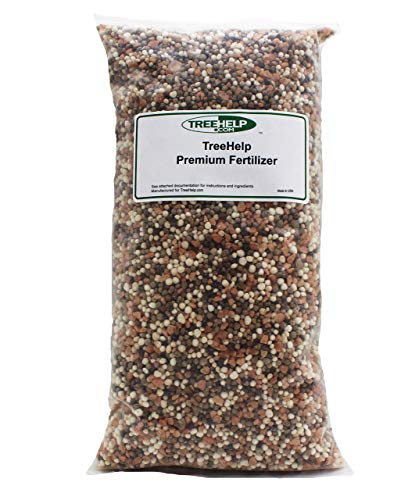
Approximately 3 Pounds
Pruning Strategies for Tennessee Apricot Trees
Pruning is essential for maintaining healthy apricot trees in Tennessee, promoting better fruit production and overall tree vigor. Understanding the specific techniques and timing for pruning can significantly impact the growth and yield of these trees in the Volunteer State’s unique climate. This section will explore effective pruning strategies tailored for Tennessee’s apricot cultivation.
Pruning is essential for maintaining tree shape and encouraging fruit production.
Timing: Prune in late winter or early spring before new growth begins.
Methods: Remove dead or crossing branches and thin out crowded areas to improve air circulation.
| Pruning Action | Purpose |
|---|---|
| Remove dead branches | Prevent disease |
| Thin crowded areas | Improve sunlight penetration |
| Shape the tree | Enhance fruit production |
Pest and Disease Control Strategies
Maintaining the health of apricot trees in Tennessee requires vigilance against pests and diseases that can threaten their growth and fruit production. This section outlines effective strategies for identifying and managing common issues, ensuring that your trees remain robust and fruitful throughout the growing season. Understanding these control methods is essential for any successful apricot cultivation in the Volunteer State.
Monitoring for pests and diseases is critical for maintaining tree health. Common issues include aphids, peach tree borers, and fungal infections.
Aphids: Use insecticidal soap to control infestations.
Fungal Diseases: Apply fungicides as a preventive measure during wet conditions.
Recommended Products
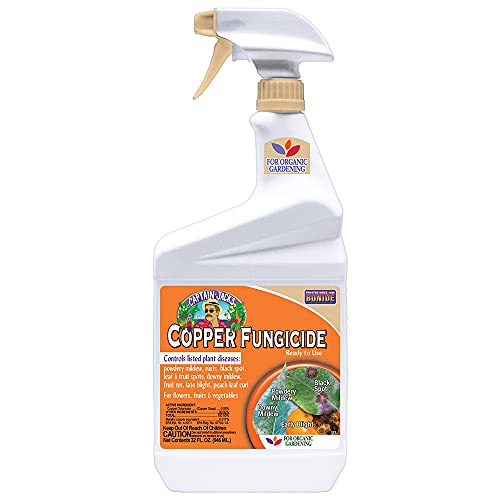
Control fungus and disease in your garden with Captain Jack’s ready-to-use Liquid Copper Fungicide!

CURES & PREVENTS LAWN DISEASES: Fungus Control for Lawns controls and prevents listed lawn diseases when used as directed; Can be used on all lawn types; Use only on lawns

Control fungus and disease in your garden with Captain Jack’s Liquid Copper Fungicide Concentrate!
Optimal Timing for Apricot Harvest
Timing is crucial for a successful apricot harvest in Tennessee, where the climate can significantly influence fruit quality and yield. Understanding the optimal periods for harvesting ensures that the fruit reaches its peak flavor and texture, allowing growers to maximize their efforts and enjoy the fruits of their labor. This section will detail the best times to pick apricots for the best results.
Timing your harvest is key for optimal flavor and texture. Apricots should be harvested when they are fully colored and slightly soft to the touch.
Check Color: Look for a vibrant orange hue.
Taste Test: Sample a fruit to ensure sweetness before picking.
Apricot Care for Optimal Harvest
Proper care of apricot trees is essential for achieving a bountiful harvest in Tennessee’s unique climate. Understanding the specific needs of these trees, from soil conditions to watering practices, can significantly enhance fruit quality and yield. This section provides detailed guidance on how to nurture apricot trees for optimal growth and production.
Regular monitoring and care will lead to a fruitful apricot harvest. Keep an eye on weather conditions and adjust care routines as needed.
Mulching: Apply mulch around the base to retain moisture and suppress weeds.
Record Keeping: Maintain a journal to track growth patterns and care practices.
Follow these guidelines to cultivate healthy apricot trees in Tennessee. Proper planning and care will yield delicious fruit for years to come.
