

Spraying copper fungicide on lemon trees is essential for preventing fungal diseases such as powdery mildew and leaf spot. The optimal timing for application is during the early spring before new growth begins and again in the fall after harvest to protect the tree during dormancy.
Identifying Fungal Diseases in Lemon Trees
Recognizing fungal diseases in lemon trees is crucial for effective treatment and maintaining tree health. Common symptoms include yellowing leaves, black spots, and wilting, which can indicate various fungal infections. Early identification allows for timely intervention, ensuring your lemon trees thrive and produce healthy fruit.
Lemon trees face various fungal threats that can compromise their health and fruit production. Common diseases include powdery mildew and sooty mold, which can weaken the tree and reduce yield. Identifying these issues early is critical for effective management.
Fungal Diseases Affecting Lemon Trees
Lemon trees are susceptible to various fungal diseases that can significantly impact their health and fruit production. Understanding these diseases is crucial for effective management and prevention. This section explores the common fungal threats to lemon trees, helping you identify symptoms and take appropriate action to protect your plants.
Understanding the diseases that affect lemon trees helps in timely treatment. Here are some prevalent fungal diseases:
| Disease | Symptoms | Impact on Tree |
|---|---|---|
| Powdery Mildew | White, powdery spots on leaves | Reduces photosynthesis |
| Leaf Spot | Dark spots on leaves | Causes leaf drop |
| Sooty Mold | Black, sooty coating on leaves | Blocks sunlight |
Essential Tools for Copper Fungicide Application
To effectively apply copper fungicide on lemon trees, having the right tools is crucial. This section outlines the essential equipment needed for proper application, ensuring that you can protect your citrus trees from fungal diseases while promoting healthy growth. Understanding these tools will enhance your overall citrus care routine.
Proper preparation is key to successful fungicide application. Gather the necessary tools and materials before starting.
Copper Fungicide: Choose a high-quality product specifically formulated for citrus trees.
Sprayer: A hand-held or backpack sprayer ensures even coverage.
Protective Gear: Wear gloves, goggles, and a mask to avoid exposure to chemicals.
Water: Clean water is essential for diluting the fungicide.
Recommended Products
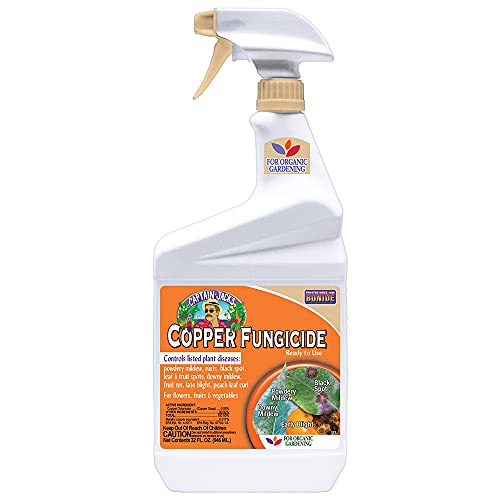
Control fungus and disease in your garden with Captain Jack’s ready-to-use Liquid Copper Fungicide!

Control fungus and disease in your garden with Captain Jack’s ready-to-spray Liquid Copper Fungicide!

Control fungus and disease in your garden with Captain Jack’s ready-to-spray Liquid Copper Fungicide!
Copper Fungicide Application Preparation
Preparing to apply copper fungicide to lemon trees requires careful consideration of timing and environmental conditions. Proper preparation ensures effective treatment against fungal diseases while minimizing potential harm to the trees. Understanding the right steps can significantly enhance the health and productivity of your citrus plants.
Before applying copper fungicide, follow these preparation steps to ensure safety and effectiveness.
Read the Label: Always follow the manufacturer’s instructions regarding dosage and application frequency.
Check Weather Conditions: Apply fungicide on a dry day with no rain expected for at least 24 hours.
Inspect the Tree: Look for signs of disease and assess the overall health of the lemon tree.
Recommended Products

For control of disease on vegetables, ornamentals, Fruit and nut crops & algae in turfgrass

Control plant common plant diseases in your home garden with Copper Fungicide Spray or Dust from Bonide!

Neudorff Copper Fungicide Controls Listed Plant Diseases: Powdery Mildew, Rusts, Black Spot, Leaf & Fruit Spot, Downy Mildew, Fruit Rot, Late Blight, Peach Leaf Curl and Other Listed Diseases.
Copper Fungicide Application Schedule
Understanding the optimal timing for applying copper fungicide is crucial for maintaining the health of lemon trees. This section outlines a detailed schedule to help you effectively manage fungal diseases, ensuring your citrus trees thrive throughout the growing season. By adhering to these guidelines, you can protect your lemon trees and promote robust fruit production.
Timing is crucial for maximizing the effectiveness of copper fungicide. The following schedule is recommended:
| Season | Application Timing | Purpose |
|---|---|---|
| Early Spring | Before new growth starts | Prevents early infections |
| Mid-Summer | If disease appears | Controls active infections |
| Fall | After harvest | Protects during dormancy |
Effective Copper Fungicide Application Timing
Understanding the optimal timing for applying copper fungicide is crucial for maintaining the health of lemon trees. This section delves into the best practices for application, ensuring that your citrus plants receive the protection they need against fungal diseases while promoting robust growth and fruit production. Proper timing can make all the difference in the effectiveness of your treatment.
Executing the application correctly ensures that the fungicide reaches all affected areas.
Mix the Fungicide: Follow the label instructions for proper dilution.
Fill the Sprayer: Pour the mixed solution into the sprayer.
Spray Evenly: Apply the fungicide on all foliage, including the undersides of leaves.
Monitor Weather: Avoid applying if rain is expected within 24 hours.
Recommended Products

Protect your garden from listed fungal diseases with Fung-onil Multi-Purpose Fungicide Concentrate from Bonide!

Controls diseases caused by bacteria and fungi

DISEASE CONTROL - Liqui-Cop, Copper-Count-N, is designed to prevent a wide variety of plant diseases including anthracnose, brown rot, blight, downy mildew, botrytis blight, leaf spot and many more.
Monitoring Lemon Trees After Fungicide Application
After applying copper fungicide to lemon trees, careful monitoring is essential to ensure the treatment’s effectiveness and the health of the trees. Observing for signs of improvement or any adverse reactions can guide future care decisions. This section outlines key indicators to watch for in the days and weeks following application.
After applying the fungicide, monitor the tree for any adverse reactions.
Inspect for Burn: Check for leaf burn, which may indicate over-application.
Water Regularly: Ensure the tree receives adequate water to support recovery.
Observe for Disease: Keep an eye out for any resurgence of fungal symptoms.
Comprehensive Citrus Tree Health Strategies
Maintaining the health of lemon trees requires a multifaceted approach that goes beyond just spraying fungicides. Understanding the timing and application of copper fungicide is crucial, but it’s equally important to incorporate other strategies that promote overall citrus tree vitality. This section delves into comprehensive methods to ensure your lemon trees thrive throughout the growing season.
Beyond fungicide application, maintaining overall tree health is vital.
Fertilize Appropriately: Use a balanced fertilizer to promote healthy growth.
Prune Regularly: Remove dead or diseased branches to improve air circulation.
Mulch: Apply organic mulch to retain soil moisture and suppress weeds.
Assessing Weather for Copper Fungicide Application
Understanding the weather conditions is crucial for effectively applying copper fungicide on lemon trees. Factors such as temperature, humidity, and rainfall can significantly influence the fungicide’s efficacy and the health of your citrus plants. This section will guide you through assessing these elements to ensure optimal application timing.
Environmental factors significantly influence the health of lemon trees.
Humidity: High humidity can encourage fungal growth. Ensure good airflow around the tree.
Soil Drainage: Poor drainage can lead to root rot. Ensure the planting site has adequate drainage.
Lemon Tree Health Maintenance Strategies
Maintaining the health of lemon trees requires a proactive approach to care, particularly in managing pests and diseases. Understanding the timing and application of treatments like copper fungicide is crucial for preventing issues that can affect fruit quality and tree vitality. This section explores effective strategies to ensure your lemon trees thrive throughout the growing season.
Regular monitoring and timely intervention are essential for maintaining healthy lemon trees. Always adhere to the recommended application schedule for copper fungicide. Keep the tree well-nourished and observe environmental conditions closely to prevent disease recurrence.
