

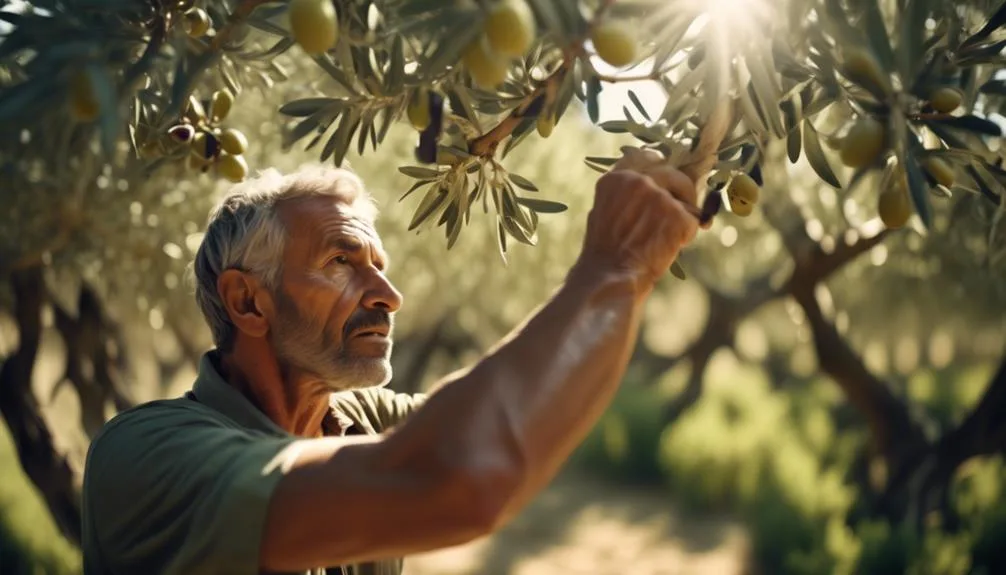
So, you've got yourself an olive tree – great choice! But now what? Taking care of it is super important to keep it healthy and productive.
From finding the right spot to dealing with pests and diseases, there's a lot to consider. Whether you're a pro or just starting out, learning how to care for an olive tree can be really satisfying.
But where do you start?
Key Takeaways
- Choose a location with full sunlight and well-draining soil for optimal olive tree growth.
- Water deeply but infrequently, allowing the soil to dry out between watering to prevent root rot.
- Prune during the dormant season to promote healthy growth and fruit production, removing dead or diseased branches.
- Conduct a soil test to determine nutrient needs, fertilize and mulch appropriately, and practice integrated pest management to control pests and diseases.
Choosing the Right Location
When selecting the right location for planting an olive tree, it's essential to consider both sunlight and soil conditions for optimal growth and fruit production.
Olive trees thrive in full sunlight, so it's crucial to choose a location that receives at least 6-8 hours of direct sunlight daily. Ensure that the chosen spot isn't shaded by buildings or other trees.
In terms of soil quality, olive trees prefer well-draining soil with a pH level between 5.5 and 7.5. Sandy loam or loamy soil types are ideal for promoting healthy root development and preventing waterlogging. Conduct a soil test to determine the pH and nutrient levels of the soil in your chosen location.
Planting and Watering
To ensure successful planting and watering of your olive tree, it's important to choose the right time and follow proper techniques for optimal growth and health. Here are some key tips to help you achieve this:
- Soil preparation: Ensure well-draining soil by adding organic matter like compost before planting. This helps in root development and overall tree health.
- Sunlight exposure: Select a location with plenty of sunlight as olive trees thrive in full sun. Adequate sunlight is crucial for fruit production.
- Irrigation: Water your olive tree deeply but infrequently, allowing the soil to dry out between watering to prevent root rot.
- Maintenance: Mulch around the base of the tree to retain moisture and suppress weeds. Regularly monitor soil moisture and adjust watering as needed for healthy growth.
Recommended Products
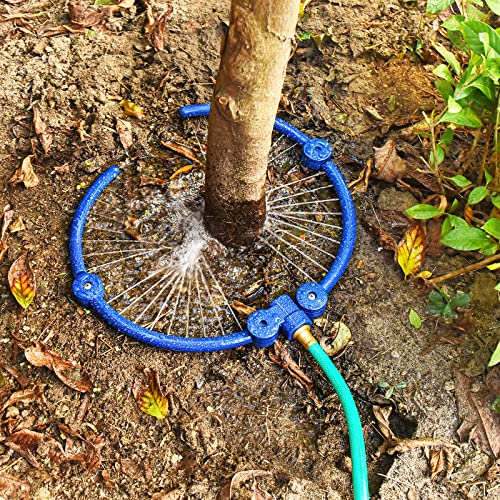
【Specially Designed for Trees and Shrubs】 The Watering Ring is a multi-purpose irrigation ring that attaches to a garden hose to efficiently water young trees shrubs vegetables or flower beds using drip or trickle irrigation.It directs water to the root perimeter of the plant to give them a good start during the first two growing seasons or through periods of drought.

NO MORE HARD INSTALLATION - SET UP IN MINUTES. Tired of struggling with stiff barbed fittings? This drip irrigation system features quick-connect fittings that let you push, lock, and secure tubing effortlessly. No tools, no leaks, just a smooth setup experience. Enjoy a frustration-free installation and get your garden watering system running in minutes.
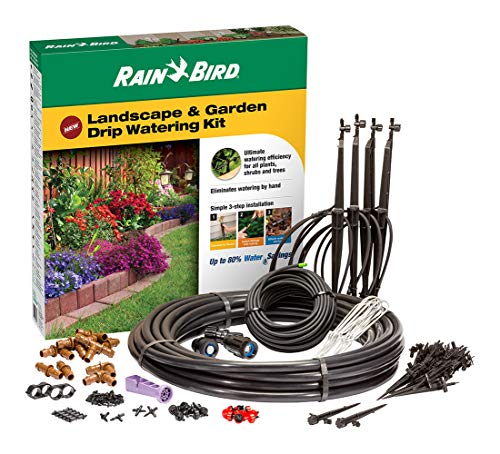
Comprehensive 108-piece kit for flower beds, gardens and landscaped areas; eliminates hand watering, saves time and money
Pruning and Trimming
Prune your olive tree during the dormant season to promote healthy growth and fruit production. Start by removing any dead or diseased branches to improve the overall branch structure. Trim back any crossing or crowded branches to allow for better air circulation and sunlight penetration. This will help prevent disease and promote even fruit ripening.
When pruning, consider the olive tree's growth patterns. Encourage outward rather than upward growth by cutting back vertical shoots. This will help create a more open canopy, allowing light to reach the lower branches. As you prune, keep in mind that olive trees bear fruit on one-year-old wood, so be cautious not to remove too much new growth.
Proper pruning and trimming won't only enhance the tree's appearance but also increase fruit production.
Fertilizing and Mulching
After ensuring the health and structure of your olive tree through careful pruning and trimming, the next vital step is to focus on fertilizing and mulching to promote optimal growth and fruit production.
When it comes to fertilizing and mulching your olive tree, consider the following:
- Soil Testing: Before applying any fertilizer, conduct a soil test to determine the specific nutrient needs of your olive tree.
- Fertilizer Application: Choose between organic or synthetic options based on your preferences and the specific requirements of your olive tree.
- Mulching: Apply a layer of organic mulch around the base of the tree to help retain moisture, suppress weed growth, and improve soil quality.
- Timing: Ensure that you fertilize and mulch at the appropriate times during the growing season for maximum effectiveness.
Proper fertilizing and mulching are crucial for the overall health and productivity of your olive tree.
Recommended Products

🌳 OLIVE OPULENCE: Specifically formulated for indoor olive trees, our 3-1-2 Liquid Fertilizer Concentrate provides the ideal balance of nitrogen, phosphorus, and potassium. This ensures your olive tree remains lush, vibrant, and on the path to bearing fruit.

🌳Olive & Fruit Trees: 6-4-6 fertilizer for fruit trees—ideal olive tree fertilizer for potted & outdoor trees; supports healthy growth and fruiting.

Specifically Formulated for Olive Trees: This potting mix is designed to replicate Mediterranean conditions, balancing moisture retention and drainage for strong roots and healthy growth, indoors and outdoors.
Pests and Disease Management
When caring for your olive tree, effective management of pests and diseases is essential to ensure its continued health and vitality. Integrated pest management (IPM) is a holistic approach that combines biological, cultural, physical, and chemical methods to control pests while minimizing environmental impact.
Encouraging natural predators, using traps, and practicing good sanitation are key components of IPM. Additionally, organic disease control focuses on prevention through proper tree spacing, adequate air circulation, and regular pruning to remove infected branches. Using natural fungicides and bactericides derived from plant and mineral sources can help manage diseases without synthetic chemicals.
Regularly inspecting your olive tree for signs of pests and diseases and promptly addressing any issues will help maintain its overall well-being. Remember, a proactive and integrated approach is the best defense against olive tree pests and diseases.
Conclusion
In your journey to cultivate a thriving olive tree, remember to select a sunny spot with well-drained soil. Water consistently and be vigilant against pests and diseases.
By employing proper pruning, fertilizing, and mulching techniques, your olive tree will reward you with luscious fruit for years to come.
Happy gardening, and may your olive tree bring you joy and abundance while adding beauty to your surroundings.
