

Have you ever wondered if you need more than one banana tree to enjoy those sweet, golden fruits? You’re not alone! Many aspiring gardeners face this question when planning their tropical paradise, eager to reap the rewards of homegrown bananas.
Key Takeaways
- Single Tree Fruit Production: A single banana tree can produce fruit through self-pollination, but yield may be less compared to multiple trees.
- Benefits of Multiple Trees: Planting multiple banana trees enhances pollination, improves fruit yield, and provides a staggered harvest, prolonging your banana supply.
- Climate and Soil Needs: Banana trees thrive in warm, humid climates with well-draining, organic-rich soil and a pH level between 5.5 and 7.0.
- Pollination Importance: While banana flowers have both male and female parts, additional trees attract pollinators like bees, enhancing the fruit size and quality.
- Space and Care Requirements: Proper spacing of 8 to 10 feet apart is crucial for air circulation, and regular fertilization and watering are essential for healthy growth.
- Common Challenges: Monitor for pests and diseases, such as aphids or Panama disease, to ensure the health of your banana plants.
Overview of Banana Trees
Banana trees are not actually trees; they’re large herbs. These tropical plants grow from underground rhizomes and can reach heights up to 30 feet. Growing bananas takes patience, as they can take 9 to 12 months to produce fruit after planting.
Recommended Products

Let our professionally formulated plant food help your fruit tree grow healthy, strong AND abundantly producing
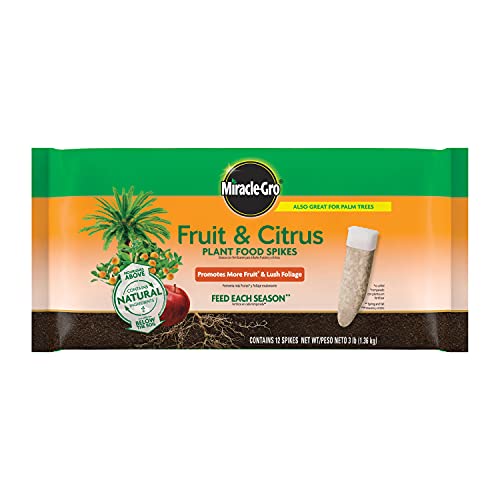
FORMULATED FOR CITRUS AND FRUIT TREES: Use these citrus fertilizer spikes on apple, orange, lemon, lime, and avocado trees; this formula is also great for feeding palm trees

2X MORE VALUE: The 16 oz bottle of Banana Plant Fertilizer makes 16 gallons of banana fertilizer for fruit trees, while the bigger size 32 oz bottle makes 32 gallons for lasting care of your banana trees.
Requirements for Growth
Banana trees thrive in warm, humid climates. Ideally, temperatures should range from 75°F to 95°F. They need well-draining soil rich in organic matter. A pH level between 5.5 and 7.0 promotes healthy growth.
Pollination and Fruit Production
Banana trees produce fruit without needing cross-pollination. Each banana flower contains both male and female parts, allowing for self-pollination. However, having multiple trees can increase the yield and size of the fruit, since bees and other pollinators can enhance growth.
Varieties of Banana Trees
Several varieties exist, each having unique characteristics. Common types include:
- Cavendish: The most popular variety, known for its sweet flavor and smooth texture.
- Red Banana: A sweeter fruit with a reddish skin, often creamier than the Cavendish.
- Apple Banana: Has a distinctive apple-like flavor and a firmer texture.
Space and Care Considerations
Banana trees require plenty of space, typically 8 to 10 feet apart, allowing for proper air circulation. Regular watering helps keep the plants healthy, especially in dry periods. Fertilization every few months with a balanced fertilizer boosts growth.
Common Challenges
Pests and diseases can affect banana plants. Watch for pests like aphids and spider mites. Fungal diseases, such as Panama disease, can be more serious. Regular monitoring and immediate action prevent significant damage.
By understanding these factors, you can effectively grow your own banana trees, whether you decide to plant one or more.
Understanding Banana Plant Reproduction
Banana plants have unique reproductive systems that affect their fruit production. You can grow bananas with just one plant, but multiple trees can boost the yield.
The Role of Pollination
Pollination plays a vital role in the fruiting process of banana plants. While banana trees can self-pollinate, the presence of bees and other pollinators enhances fruit quality and size. These pollinators help transfer pollen among flowers, increasing the chances of successful fertilization. If you’re in an area with plenty of pollinators, you might enjoy bigger, healthier bananas from a single tree.
Importance of Male and Female Plants
In banana plant reproduction, understanding male and female characteristics is essential. Banana plants have both male and female flowers. Female flowers develop into fruit, while male flowers are mainly for pollination. Though a single tree can produce fruit, having multiple trees ensures better pollination. Consider planting at least one male tree alongside your female trees for optimal results and a more bountiful harvest.
Do You Need 2 Banana Trees to Produce Fruit?
Growing bananas can be rewarding, and understanding the need for multiple trees plays a crucial role in maximizing your yield.
Single Banana Trees and Fruiting
A single banana tree can indeed produce fruit. Each tree typically takes 9 to 12 months to bear fruit after planting. The flowers of the banana plant contain both male and female parts. Female flowers develop into the delicious bananas you grow. Self-pollination occurs, meaning you don’t need additional trees for some fruit production. However, the quantity and size of the fruit may be less than if you had more than one tree.
Advantages of Having Multiple Trees
Planting multiple banana trees offers several benefits.
- Enhanced Pollination: More trees attract pollinators like bees. Increased pollinator activity can lead to larger and sweeter bananas.
- Improved Yield: Having several trees means more potential fruit sets. A cluster can produce significantly higher yields compared to a single tree.
- Staggered Harvest: Multiple trees can provide a longer harvest season. Different trees may flower and fruit at slightly different times, giving you bananas over an extended period.
Consider growing at least two or more banana trees in your garden for the best results. Their collective growth can boost your fruiting success and create a lush, tropical aesthetic in your outdoor space.
Care and Maintenance of Banana Trees
Caring for banana trees involves attention to several key factors to ensure healthy growth and fruit production.
Planting and Spacing Considerations
Choose a sunny spot with well-draining soil rich in organic matter. Plant banana trees at least 8 to 10 feet apart. This spacing promotes air circulation, which reduces disease risk. When planting, dig a hole that’s twice the size of the root ball. Place the tree in the hole, making sure the top of the root ball is level with the soil surface. Fill in the hole with soil and water thoroughly.
Fertilization and Watering Needs
Fertilize banana trees regularly during the growing season. Use a balanced fertilizer with equal parts nitrogen, phosphorus, and potassium. Apply it every 6 to 8 weeks. Water the trees deeply, aiming for about 1 to 2 inches of water per week, especially during dry periods. Keep the soil consistently moist but not soggy. Mulching around the base helps retain moisture and suppress weeds.
Conclusion
Growing your own banana trees can be a rewarding adventure. While you can certainly produce fruit with just one tree it’s worth considering the benefits of planting at least two. More trees can lead to better pollination and larger yields.
Imagine enjoying a bountiful harvest of sweet bananas while creating a lush, tropical vibe in your garden. Plus with proper care and the right conditions, you’ll be well on your way to a fruitful experience. So grab your gardening gloves and get ready to cultivate your very own banana paradise!
Frequently Asked Questions
Do I need more than one banana tree to grow bananas?
Yes, while a single banana tree can produce fruit, planting multiple trees can enhance yield and fruit size due to better pollination. It also allows for staggered harvests, extending the fruiting season.
How long does it take for a banana tree to produce fruit?
Banana trees typically take between 9 to 12 months to produce fruit after planting. The exact time can vary depending on the variety and growing conditions.
What are the ideal conditions for growing banana trees?
Banana trees thrive in warm, humid climates with well-draining soil rich in organic matter. Ideal soil pH ranges from 5.5 to 7.0, ensuring optimal nutrient availability.
How should banana trees be spaced?
To promote healthy growth and air circulation, banana trees should be spaced 8 to 10 feet apart. This spacing helps prevent disease and allows sufficient sunlight to reach each plant.
What types of banana trees are there?
Common banana tree varieties include Cavendish, Red Banana, and Apple Banana. Each variety has distinct flavors, colors, and growth habits that can affect your gardening experience.
How often should I water banana trees?
Banana trees need deep watering of 1 to 2 inches per week, particularly during dry spells. Consistent moisture is crucial for healthy growth and fruit development.
What are some common challenges when growing banana trees?
Pests and diseases can pose challenges to banana trees, including spider mites and fungal infections. Regular monitoring and prompt action can help prevent significant damage to the plants.
How does pollination affect banana fruit quality?
While banana trees can self-pollinate, the presence of pollinators like bees can enhance fruit quality and size. Multiple trees nearby can attract more pollinators.
What fertilizers are best for banana trees?
A balanced fertilizer every 6 to 8 weeks is recommended for banana trees. This supports healthy growth and maximizes fruit production, particularly in the growing season.
Can banana trees survive in any type of soil?
Banana trees prefer well-draining soil that is rich in organic matter. Heavy clay or compacted soils can hinder growth and increase the risk of root rot.
