

Pomegranate trees can thrive in pots even in Vermont’s cold climate with the right care. Proper potting techniques, winter protection, and suitable varieties are essential for success.
Cold-Hardy Pomegranate Varieties for Vermont
Choosing the right pomegranate variety is crucial for successful growth in colder climates. Some varieties are more tolerant of cold than others. Look for varieties like ‘Wonderful’ or ‘Angel Red’ that are known for their hardiness and adaptability. These selections can withstand lower temperatures while still producing fruit.
| Variety | Cold Tolerance | Fruit Quality | Growth Habit |
|---|---|---|---|
| Wonderful | Moderate | Excellent | Upright |
| Angel Red | High | Good | Spreading |
| Sweet | Moderate | Very Good | Compact |
Optimal Potting Mix for Pomegranate Trees
Choosing the right potting mix is crucial for the health and growth of pomegranate trees, especially in Vermont’s cold climate. A well-balanced mix not only supports root development but also ensures adequate drainage and moisture retention. Understanding the specific needs of these trees will help you create an ideal environment for thriving pomegranate plants in pots.
A well-draining potting mix is essential for healthy pomegranate trees. Use a combination of potting soil, perlite, and sand to ensure proper drainage. This mix helps prevent root rot, which can be a significant issue in colder, wetter conditions.
Ingredients for Potting Mix:
50% potting soil
30% perlite
20% coarse sand
Ensure the pot has drainage holes to allow excess water to escape.
Recommended Products

READY TO USE MIXTURE - The same formulation as used by professional growers
READY TO USE MIXTURE - The same formulation as used by professional growers

8qt bag of Premium Horticultural Grade Perlite to promote root growth, soil aeration & drainage
Winter Protection Strategies for Pomegranate Trees
Pomegranate trees can thrive in pots even in Vermont’s cold climate, but they require special care during winter months. Protecting these vibrant plants from harsh temperatures is essential for their survival and future growth. This section outlines effective strategies to ensure your pomegranate trees remain healthy and resilient throughout the winter season.
Caring for pomegranate trees during winter is vital for their survival. In Vermont, temperatures can drop significantly, so protection is necessary. Consider the following strategies:
Bring Indoors: Move pots indoors to a cool, bright location when temperatures fall below 20°F.
Mulch: Apply a layer of mulch on top of the soil to insulate roots.
Wrap Pots: Use burlap or bubble wrap to insulate the pot and protect roots from freezing.
Monitor the moisture level in the soil, as indoor conditions can dry it out quickly.
Recommended Products

Extra Thick Tree and Plant Covers for Winter: Scrubits Frost Blankets for outdoor plants and Trees will ensure that your Trees and large plants not only survive the winter but thrive and grow to blossom. With its extra thick fabric and long-lasting material, you can be confident about next year's harvest.

3-Layer Insulation Design: Featuring a unique 3-layer structure of non-woven fabric, foam, and aluminum foil, this product offers exceptional insulation performance. This unique design effectively traps heat and prevents frost damage in cold weather.
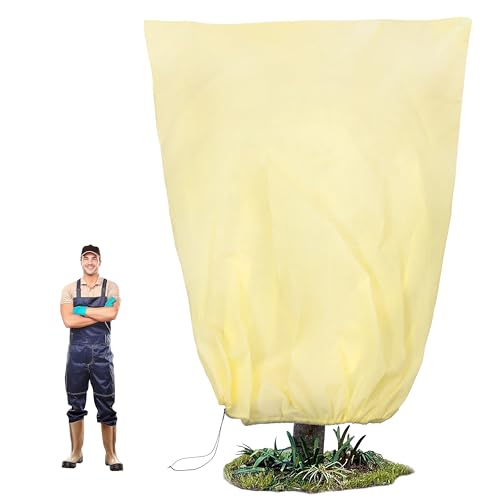
【Super Large Size】Our winter plant covers are designed with a super large size, measuring 120 inches in height and 100 inches in width. This generous size tree cover ensures easy coverage and protection for various types of shrubs and small trees. You can even gather multiple potted plants together and use one large plant cover, eliminating the hassle of multiple small covers.
Pomegranate Care: Watering and Fertilizing Techniques
Caring for pomegranate trees in pots requires attention to specific watering and fertilizing techniques, especially in Vermont’s cold climate. Proper moisture levels and nutrient management are crucial for healthy growth and fruit production. This section provides essential tips to help you nurture your pomegranate tree effectively throughout the seasons.
Proper watering and fertilizing practices support healthy growth and fruit production. Pomegranate trees prefer slightly dry conditions but need consistent moisture during the growing season.
Watering Tips:
Water deeply but infrequently.
Allow the top inch of soil to dry out between waterings.
Fertilize with a balanced fertilizer every 4-6 weeks during the growing season. Reduce fertilization during the winter months.
| Fertilizer Type | Application Frequency | Notes |
|---|---|---|
| Balanced 10-10-10 | Every 4-6 weeks | Use during growing season |
| Organic Compost | Annually | Apply in spring for nutrients |
Recommended Products
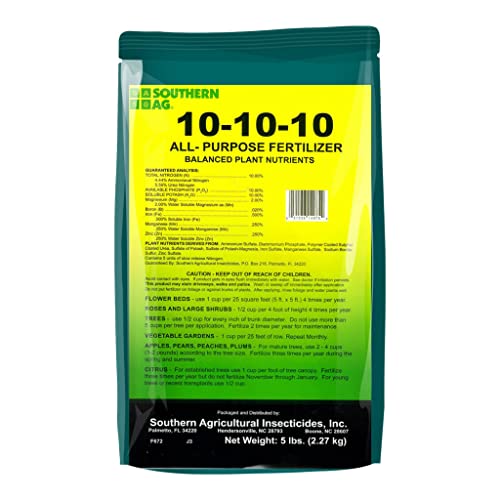

🍎 Boosts Budding & Heavy Fruiting – Encourages more flowers, better fruit set, and abundant harvests with bigger, healthier pomegranates.

Let our professionally formulated plant food help your fruit tree grow healthy, strong AND abundantly producing
Pruning Techniques for Healthy Pomegranate Growth
Pruning is essential for maintaining the health and productivity of pomegranate trees, especially when grown in pots in Vermont’s cold climate. Proper techniques can help shape the tree, encourage new growth, and enhance fruit production. Understanding the right timing and methods for pruning will ensure your pomegranate thrives despite the challenges of colder temperatures.
Regular pruning helps maintain the shape and health of pomegranate trees. This practice encourages better air circulation and sunlight penetration, which are essential for fruit production.
Pruning Steps:
Remove dead or damaged branches.
Thin out crowded areas to improve airflow.
Shape the tree to encourage a balanced structure.
Pruning should be done in late winter before new growth begins.
Pomegranate Tree Potting Challenges
Growing pomegranate trees in pots can present unique challenges, especially in Vermont’s cold climate. From selecting the right potting mix to managing temperature fluctuations, understanding these obstacles is crucial for successful cultivation. This section explores the specific difficulties faced when potting pomegranate trees in colder regions and offers practical solutions to overcome them.
Pomegranate trees can face various challenges, especially in pots. Recognizing symptoms early can help mitigate damage.
Common Issues:
Leaf drop: Often due to overwatering or temperature stress.
Poor fruit set: May result from inadequate pollination or nutrient deficiencies.
Pests: Watch for aphids or spider mites.
| Symptom | Primary Suspect | Difficulty Level |
|---|---|---|
| Leaf drop | Overwatering | 3 |
| Poor fruit set | Nutrient deficiency | 2 |
| Pests | Aphids or spider mites | 4 |
Adjust care practices based on the identified issues to restore plant health.
Pomegranate Potting Tips for Vermont Success
Growing pomegranate trees in pots can be a rewarding endeavor, especially in Vermont’s challenging climate. To ensure these vibrant trees thrive, it’s essential to understand specific potting techniques and care strategies tailored to cold-weather conditions. The following tips will guide you in creating the ideal environment for your pomegranate trees to flourish.
For successful pomegranate cultivation in Vermont, consider these final tips. Choose the right variety, use a well-draining potting mix, and provide winter protection. Regular maintenance through watering, fertilizing, and pruning will ensure healthy growth and fruit production.
Always monitor for signs of stress and adjust care accordingly.
