

Have you ever wondered if those beautiful Washington cherry trees actually produce fruit? You’re not alone. Many people admire their stunning blossoms but aren’t sure if they’ll ever see cherries on those branches.
Key Takeaways
- Ornamental vs. Fruiting Varieties: Washington cherry trees, particularly the popular Yoshino variety, are primarily ornamental and do not produce fruit. For fruit-bearing options, consider varieties like Bing and Rainier.
- Blooming Season: Washington cherry trees display stunning pink and white blossoms in March to April, attracting visitors and pollinators alike.
- Growing Conditions: Successful growth requires a location with full sunlight (at least 6 hours daily), well-drained soil, and proper watering, especially in the initial years.
- Pollination Needs: Many cherry tree varieties require cross-pollination to bear fruit. Planting multiple varieties nearby can enhance fruit production.
- Environmental and Aesthetic Benefits: These trees not only beautify landscapes but also support local ecosystems by attracting pollinators and providing shade.
- Cultural Significance: Washington cherry trees symbolize friendship and cooperation, celebrated through events like the National Cherry Blossom Festival, enhancing community connections.
Overview of Washington Cherry Trees
Washington cherry trees, particularly the Yoshino variety, are celebrated for their stunning spring blossoms. These trees typically bloom in March to April, showcasing beautiful pink and white flowers that attract numerous visitors.
Cherry trees belong to the Prunus genus, which includes various fruit-bearing species. However, the ornamental cherry trees found in Washington, D.C., mainly serve decorative purposes. These trees usually don’t produce fruit, as their primary goal is aesthetic appeal.
If you seek cherry trees that yield fruit, consider planting varieties like Bing or Rainier cherries. These fruit-bearing types thrive in similar environments, offering delicious cherries in late spring to early summer.
Understanding the differences between ornamental and fruiting cherry trees will help you choose the right variety for your garden. When planning your space, assess the climate, soil type, and sunlight exposure to ensure optimal growth.
Characteristics of Washington Cherry Trees
Washington cherry trees are primarily known for their breathtaking blossoms rather than their fruit. While you can often find stunning displays during spring, it’s essential to recognize their specific traits.
Recommended Products


Do not transplant into another container, only the ground. These are ready to plant and should be put in the ground according to the included instructions upon arrival. All pictures are of fully grown plants. Sizes shipped are in the title and description. Deciduous plants do not have leaves in the winter.

For sale is one Yoshino Flowering Cherry tree that is approximately 6-12" tall and shipped in a 3" pot
Physical Appearance
Washington cherry trees, especially the Yoshino variety, feature elegant, delicate flowers that bloom in clusters. These blossoms are typically pink or white, creating a beautiful canopy in early spring. The trees can grow between 20 and 40 feet tall, with a rounded, spreading canopy that offers substantial shade. The bark is smooth and shiny, often with a reddish-brown hue, adding to its visual appeal.
Growth Requirements
Washington cherry trees flourish in full sunlight, requiring at least 6 hours of direct sunlight daily. They prefer well-drained soil with a pH level between 6.0 and 7.0. Regular watering is crucial during the first few years; moist soil encourages strong root development. These trees perform best in USDA hardiness zones 5 through 8, tolerating various conditions but thriving with proper care. For those interested in similar fruit-bearing varieties, consider checking local nurseries for trees like Bing or Rainier, which offer both beauty and delicious fruit.
Do Washington Cherry Trees Bear Fruit?
Washington cherry trees, particularly the ornamental varieties, typically do not bear fruit. Their primary appeal lies in their stunning blossoms, which attract many viewers each spring.
Recommended Products
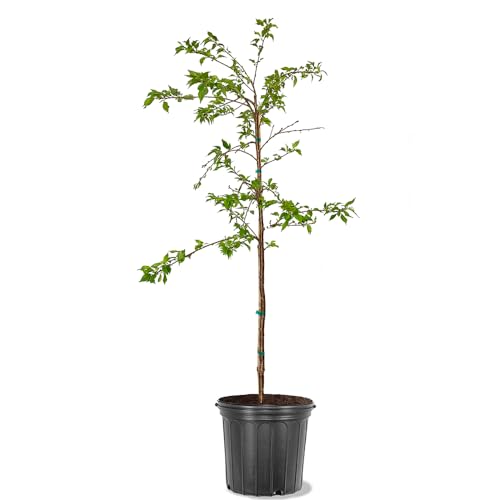
Care Requirements: Plant in well-drained soil with full sun exposure, provide regular watering during establishment and dry periods, and prune in late winter or early spring to maintain shape and health

Sweet Fruit - Produces large, deep red Bing cherries known for their rich, sweet flavor and firm, juicy texture.

Cherry Tree 'Rainier Sweet' – Produces large, golden-yellow cherries with a red blush and a super-sweet, low-acid flavor, perfect for fresh snacking, baking, and preserving.
Fruit Bearing Varieties
If you’re looking for cherry trees that produce fruit, consider the Bing and Rainier varieties. These trees thrive in similar conditions. Bing cherries are dark red and sweet, while Rainier cherries are a lighter, yellowish-red and offer a unique flavor. Both produce fruit from late spring to early summer, making them excellent choices for home gardens.
Factors Influencing Fruit Production
Several factors affect whether cherry trees produce fruit:
- Tree Variety: Ornamentals like Yoshino or Kwanzan focus on blooms, not fruit, while certain cultivars like Bing or Rainier bear fruit.
- Pollination: Most cherry trees require cross-pollination. Planting multiple varieties nearby enhances fruit set.
- Growing Conditions: Full sunlight and well-drained soil promote healthy growth. Poor soil or too much shade can hinder fruiting.
- Tree Age: Young trees may take several years to begin producing fruit. Patience is important.
By considering these aspects, you increase the chances of enjoying sweet cherries from your trees.
Benefits of Growing Washington Cherry Trees
Growing Washington cherry trees brings several benefits, even if they don’t produce fruit.
Aesthetic Appeal
- Stunning Blossoms: The Yoshino variety showcases breathtaking pink or white flowers each spring.
- Landscape Enhancement: These trees add beauty to gardens and parks, attracting visitors and enhancing property value.
Environmental Benefits
- Pollinator Attraction: Blossoms provide nectar for bees and other pollinators. Protecting these creatures supports local ecosystems.
- Shade Provision: With a rounded canopy, these trees offer shade during hot weather, making outdoor spaces more enjoyable.
Community and Cultural Significance
- Cultural Heritage: Washington cherry trees signify friendship and international cooperation. They commemorate the gift of cherry trees from Japan to the U.S. in 1912.
- Community Gatherings: Annual festivals, like the National Cherry Blossom Festival, foster community bonding and celebration of nature.
Easy Maintenance
- Simple Care Requirements: These trees thrive in full sunlight and require minimal watering once established.
- Pest Resistance: Many ornamental varieties show resilience against common pests and diseases, reducing the need for chemical treatments.
- Adaptable Locations: You can plant these trees in various settings, including yards, parks, and urban landscapes.
- Seasonal Interest: Cherry trees provide year-round interest through their attractive bark and vibrant fall foliage.
Consider these benefits when thinking about adding Washington cherry trees to your landscape. Their beauty and significance enhance your outdoor spaces while supporting pollinator health and community engagement.
Challenges in Cultivating Washington Cherry Trees
Cultivating Washington cherry trees presents unique challenges, despite their beauty. Addressing these challenges helps ensure healthy trees and enhances their ornamental value.
Environmental Requirements
- Sunlight Needs: Washington cherry trees thrive in full sunlight. Choose a location that receives at least six hours of direct sun each day.
- Soil Quality: Well-drained, loamy soil promotes strong growth. Avoid areas with heavy clay or waterlogged conditions.
- Hardiness Zones: Understand the USDA hardiness zones suitable for cherry trees. Typically, these trees perform best in zones 5 through 8.
Pests and Diseases
- Common Pests: Watch for pests like aphids and spider mites. Regular monitoring and early intervention with appropriate treatments help protect your trees.
- Disease Prevention: Fungal diseases, such as powdery mildew, can affect cherry trees. Ensure proper air circulation and avoid overhead watering to reduce moisture on leaves.
Pollination Considerations
- Pollination Needs: Certain cherry trees rely on cross-pollination for fruit production. Plant multiple varieties, like Bing and Rainier, nearby to improve pollination success.
- Attracting Pollinators: Encourage bees and other pollinators by planting complementary flowers. A diverse garden increases pollination rates.
Seasonal Care
- Watering Practices: Regular watering is vital, especially during dry spells. Monitor soil moisture levels, and water as needed.
- Pruning Techniques: Prune branches during late winter to promote healthy growth. Focus on removing dead or crossing branches to enhance airflow.
- Tree Age Impact: Younger trees may take several years before producing fruit. Be patient as they establish strong root systems and grow.
- Mature Trees: Once established, mature trees generally yield more fruit. Proper care and maintenance foster longevity and productivity.
By addressing these challenges, you can cultivate Washington cherry trees that not only beautify your landscape but also thrive in their environment.
Conclusion
While Washington cherry trees are a sight to behold with their gorgeous blossoms they don’t typically bear fruit. If you’re looking for cherries to enjoy you might want to consider planting varieties like Bing or Rainier.
These fruit-bearing trees can thrive in similar conditions and offer delicious cherries in late spring and early summer. Regardless of fruit production the beauty and cultural significance of Washington cherry trees make them a wonderful addition to any landscape.
So whether you’re admiring their stunning blooms or celebrating their role in community events you’ll find these trees bring joy and beauty to your surroundings.
Frequently Asked Questions
Do Washington cherry trees produce fruit?
Washington cherry trees, particularly ornamental varieties like Yoshino, typically do not produce fruit. They are grown primarily for their beautiful blossoms.
What is the Yoshino variety of cherry tree?
The Yoshino cherry tree is known for its stunning pink or white flowers that bloom in spring. It can grow between 20 to 40 feet tall and has a rounded canopy.
When do cherry blossoms bloom in Washington, D.C.?
Cherry blossoms in Washington, D.C., typically bloom from March to April, attracting many visitors to enjoy their spectacular beauty.
What type of cherry trees produce fruit?
Fruit-bearing cherry tree varieties include Bing and Rainier cherries. These can thrive in similar conditions to ornamental cherry trees but yield delicious cherries.
What are the growth requirements for Washington cherry trees?
Washington cherry trees prefer full sunlight, well-drained soil, and specific USDA hardiness zones. Regular watering is also essential for strong root development.
Why are cherry trees important culturally?
Cherry trees symbolize the friendship between Japan and the U.S., fostering community spirit through events like the National Cherry Blossom Festival.
What challenges do Washington cherry trees face?
Common challenges for growing Washington cherry trees include proper sunlight, soil quality, pest management, and ensuring effective pollination for any fruit-bearing varieties.
How can I care for cherry trees?
Seasonal care for cherry trees involves proper watering, regular pruning, monitoring for pests, and planting multiple varieties to enhance pollination success.
