

Ever wondered how long it takes for olive trees to start bearing fruit? If you’ve planted one or are thinking about it, you’re not alone. Many people dream of harvesting their own olives, but the wait can feel daunting.
Key Takeaways
- Time to Fruit Production: Olive trees typically start bearing fruit between three to five years of age, with some varieties like Manzanilla and Arbequina producing fruit earlier.
- Impact of Tree Age: Younger olive trees usually take longer to produce fruit, but with proper care, yields can improve as trees mature, especially after ten years.
- Importance of Environmental Conditions: Olive trees thrive in warm, sunny climates with well-drained, sandy loam soil. Inadequate sunlight or extreme weather can delay fruiting.
- Role of Pruning: Proper pruning in late winter or early spring can enhance olive production by encouraging healthy growth and airflow while allowing the tree to focus energy on fruit rather than excess foliage.
- Consistent Care Practices: Regular watering, fertilizing, and monitoring for pests and diseases are essential for supporting healthy olive trees and promoting quicker fruit production.
- Diverse Fruiting Habits by Variety: Different olive varieties have varying timelines for fruit production; understanding these differences helps in selecting the right tree for your expectations.
Understanding Olive Trees
Olive trees thrive in warm, Mediterranean climates. You’ll find them flourishing in countries like Spain, Italy, and Greece. These trees are hardy and can adapt to various soils, but they prefer well-drained, sandy loam.
When you plant an olive tree, growth expectations vary. Typically, younger trees take around three to five years before they start producing fruit. This time frame can extend, especially for certain varieties. For instance, the Manzanilla and Arbequina varieties may produce fruit a bit earlier than others.
To encourage fruiting, your olive tree needs proper care. Regular watering during dry spells supports health. Pruning in late winter or early spring promotes better air circulation and stimulates growth. Keeping weeds and grasses away ensures nutrients reach your tree as well.
Understanding the blooming cycle also helps. Olive trees bear flowers in the spring. You’ll notice tiny, fragrant blossoms that can turn into olives. However, if conditions aren’t favorable—like poor pollination during flowering—fruiting may be delayed.
Fruiting habits differ among varieties. Some trees produce abundantly every other year, while others yield consistently. Observing your tree’s performance over the years will provide insight into its fruiting patterns.
Monitor your tree’s growth, provide consistent care, and be patient. Olive trees eventually reward you for your efforts with a bountiful harvest.
Factors Affecting Fruit Production
Several factors influence how long it takes for olive trees to produce fruit. Understanding these elements helps you better manage your olive tree care.
Tree Age
Tree age plays a significant role in fruit production. Younger olive trees typically start producing olives at three to five years old. However, some may take longer, particularly if they’re less established. Regular care, like watering and fertilizing, can encourage early fruiting. Expect better yields as trees mature, especially after around 10 years of growth.
Environmental Conditions
Environmental conditions are crucial for successful fruit production. Olive trees thrive in warm, Mediterranean climates with ample sunlight. They prefer well-drained, sandy loam soil. If your tree doesn’t receive enough sunlight or experiences extreme weather conditions, such as frost or excessive rain, it may delay fruiting. Providing adequate drainage and protection from harsh weather can significantly boost production.
Olive Varieties
Different olive varieties impact fruit timelines. Some varieties, like Manzanilla and Arbequina, produce fruit sooner than others, often within the first three years. In contrast, more traditional types may take up to seven years or longer. When selecting a variety, consider how quickly you want fruit and the specific climate conditions in your area. Researching the traits of each variety ensures you choose one that best suits your expectations.
Timeline for Olive Fruit Production
Olive trees take time to produce fruit, and several factors affect this timeline. Understanding these stages helps you manage your expectations and care for your trees properly.
Newly Planted Trees
Newly planted olive trees usually take about three to five years to start producing fruit. This timeline can vary depending on the variety. For instance, early-bearing varieties like Manzanilla and Arbequina may yield olives sooner than others. Ensure that you give these trees proper attention. Regular watering, pruning, and maintaining healthy soil conditions can support earlier fruiting. Monitoring for pests and diseases also plays a critical role.
Mature Trees
Mature olive trees typically start yielding better quantities of fruit around the age of ten years. At this stage, you can expect more consistent and abundant harvests. Factors such as optimal sunlight, well-draining soil, and protection from harsh weather enhance fruit production. Some olive varieties produce more olives every other year, necessitating careful planning for harvest. Pruning and feeding mature trees appropriately helps sustain their health and productivity, ensuring a rewarding yield as they continue to grow.
Care and Maintenance for Faster Fruit Production
Proper care and maintenance of your olive trees lead to faster fruit production. Focusing on effective pruning and adequate watering and nutrition plays a vital role in achieving a fruitful harvest.
Recommended Products

Made for Olive Trees - This olive tree fertilizer is formulated specifically to support healthy growth and long-term vitality in olive trees.
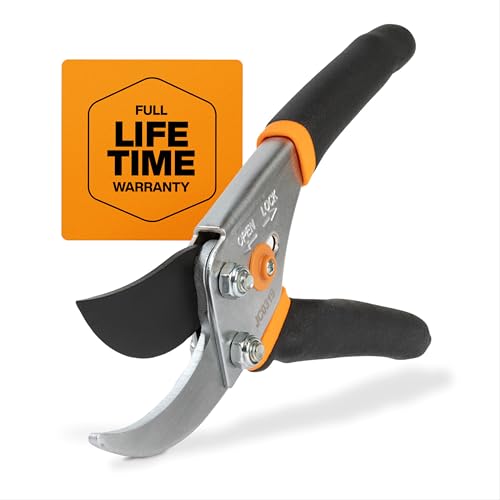
CLEAN CUTS FOR LIVE GROWTH: Bypass blade design is ideal for pruning delicate flower stems and green growth, helping reduce crushing and plant damage while cutting stems and small branches up to 5/8” in diameter

DUAL CUTTING POWER: VERSATILE PRUNING COMBO --- With both Pruning Shears and Pruning Snip, this combo delivers unmatched versatility. Whether you're delicately trimming flowers and shrubs, tackling thicker tree branches, or tending to your vegetable and fruit garden, our combo pack excels in all areas. They're also perfect for landscaping projects and maintaining the health and appearance of indoor plants. With this pack, you have a versatile tool that simplifies your gardening tasks.
Proper Pruning
Pruning olive trees correctly encourages healthy growth and enhances fruit production. Focus on these strategies:
- Timing the Pruning: Prune during late winter or early spring, just before new growth starts. This timing minimizes stress on the tree.
- Removing Dead or Damaged Branches: Cut away any dead, damaged, or diseased branches. Healthy branches produce better yields.
- Encouraging Shape and Airflow: Maintain an open canopy by removing crowded branches. Good airflow reduces the risk of disease and allows sunlight to penetrate, promoting fruit development.
- Thinning New Growth: Thin out new shoots to allow the tree to focus energy on producing fruit instead of excessive foliage. Aim for a balanced structure.
Watering and Nutrition
Watering and nutrition significantly affect olive tree health and fruit yield. Consider the following practices:
- Consistent Watering: Water young trees regularly, especially during dry spells. Once established, olive trees require less frequent watering. Aim for deep watering every 2-3 weeks in the absence of rain.
- Well-Draining Soil: Use well-draining sandy loam soil. Poor drainage leads to root rot, which impairs fruiting.
- Fertilizing Schedule: Fertilize in early spring with a balanced fertilizer, typically a 10-10-10 NPK mix. Apply according to package instructions.
- Organic Additives: Consider adding compost or well-rotted manure annually to boost nutrients and improve soil structure. This practice enhances overall tree health.
By implementing these care techniques, you promote healthier olive trees, resulting in quicker fruit production.
Conclusion
Growing olive trees can be a rewarding journey filled with anticipation. While you might have to wait a few years for your trees to bear fruit it’s important to remember that patience pays off. With the right care and attention your trees will thrive and eventually reward you with delicious olives.
Keep an eye on the specific variety you’ve chosen and ensure you’re providing the optimal conditions they need. By nurturing your trees through proper watering and pruning you’ll set the stage for a fruitful harvest. So hang in there and enjoy the process—your olive trees are on their way to producing a bountiful crop!
Frequently Asked Questions
How long does it take for olive trees to start producing fruit?
Young olive trees typically start producing fruit in about three to five years. However, this timeline can vary depending on the variety. Some, like Manzanilla and Arbequina, may yield fruit earlier.
What conditions do olive trees need to thrive?
Olive trees thrive in warm, Mediterranean climates and prefer well-drained, sandy loam soil. Adequate sunlight and protection from severe weather also contribute to their overall health and fruit production.
How can I promote faster fruit production in my olive trees?
To encourage quicker fruit production, ensure proper care through regular watering, timely pruning, and adequate nutrition. Prune in late winter or early spring, remove dead branches, and maintain an open canopy for airflow.
Do all olive varieties produce fruit at the same time?
No, olive varieties can have different fruiting habits. While younger trees may start producing fruit at three to five years, some varieties yield fruit every other year, impacting overall production.
What is the best way to water olive trees?
Consistent watering is crucial for young olive trees. Make sure to use well-draining soil to prevent root rot. Following a fertilizing schedule with balanced fertilizers also supports healthy growth and fruit production.
How does tree age affect olive fruit production?
Younger olive trees generally start yielding fruit around three to five years, but better yields are expected as they reach maturity. Most significant production occurs around ten years of age when conditions are optimal.
