

Have you ever wondered when those delicious pears are ready to pick? If you’ve planted a pear tree or just enjoy the fruit, knowing when they bear fruit can make all the difference in your gardening experience.
Key Takeaways
- Fruit Bearing Timeline: Pear trees typically bear fruit from late summer through early fall, with harvest occurring from late August to October, depending on the variety.
- Varietal Differences: European pear varieties, like ‘Bartlett’ and ‘Bosc’, generally mature between mid-September and mid-October, while Asian pears can ripen as early as late August.
- Pollination Needs: Cross-pollination enhances fruit production; plant two different pear varieties nearby for optimal yields.
- Care Techniques: Regular watering, proper pruning, and balanced fertilization are essential for promoting healthy growth and fruitful harvests.
- Monitoring Pests: Keep an eye on common pests like codling moths and aphids to protect your trees and fruit quality.
- Climate Considerations: Pear trees thrive in temperate climates and require significant chilling hours; choose varieties that match your local climate conditions for best results.
Understanding Pear Trees
Pear trees thrive in temperate climates and require specific conditions to grow fruit. You can find different varieties of pear trees, including European and Asian types. Each variety has unique characteristics that affect when they bear fruit.
Growth Cycle
Pear trees undergo a distinct growth cycle. Blossoming typically occurs in spring, around April to May, depending on the climate. After the flowers pollinate, fruit begins to develop. This development period lasts several months.
Fruit-Bearing Timeline
Most pear trees start producing fruit between three to five years of age. You’ll notice that fruit ripening typically happens in late summer to early fall, usually from August to October. Varieties like ‘Bartlett’ and ‘Bosc’ offer fruits around this time.
Pollination Requirements
Pear trees often require cross-pollination for optimal fruit production. Planting at least two different varieties nearby enhances fruit set. Consider pairing ‘Anjou’ with ‘Bartlett’ to improve yields and ensure better pollination.
Caring for Pear Trees
Proper care promotes healthy growth and fruitful harvests. Regular watering, especially during dry spells, supports fruit development. Fertilization is also crucial; use balanced fertilizers in early spring. Pruning helps maintain structure and health, focusing on removing any dead or overcrowded branches.
Monitoring for Pests
You should monitor your pear trees for pests like codling moths and aphids. Identifying these threats early allows for effective management. Organic pesticides or insecticidal soap can control infestations without harming beneficial insects.
Picking Tips
Knowing when to pick pears ensures the best flavor. Check for firmness and color changes; pears typically ripen off the tree. Harvest when they feel slightly tender. Store harvested pears in a cool, dark place for optimal ripening.
Factors Influencing Fruit Bearing
Several factors influence when pear trees bear fruit. Understanding these elements helps you optimize your harvest.
Recommended Products

Home Orchard in a Pot: Experience the joy of homegrown pears with the American Plant Exchange Bartlett Pear Trees. These live, semi-self-pollinating fruiting trees, standing 3-4 feet tall in a 5-gallon pot, bring the allure of a home orchard to your outdoor landscape.
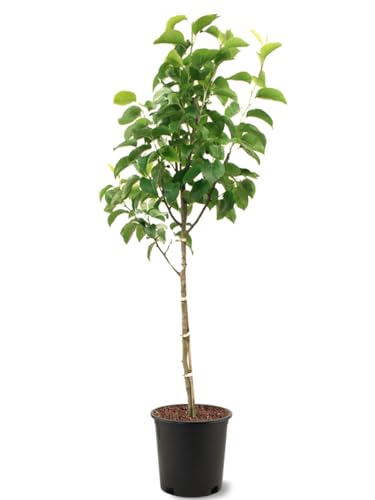
Thriving Orchard at Home: Elevate your outdoor space with the American Plant Exchange Flordahome Pear Trees. These live, semi-self-pollinating fruiting trees stand at an impressive 3-4 feet in a 5-gallon pot, bringing the allure of a thriving pear orchard to your doorstep.

Harvest Season: Produces large, round, golden-brown pears ready for harvest from late summer to early fall
Climate and Location
Climate and location play crucial roles in fruit production. Pear trees thrive in temperate climates. They require a winter chill of approximately 1,000 to 1,500 chilling hours to produce fruit successfully. If you live in warmer regions, select varieties that require fewer chilling hours. Elevation can also affect fruit bearing; higher altitudes provide cooler temperatures. Ensure plenty of sunlight, as pear trees need at least six hours of direct sunlight daily for optimal growth and fruiting.
Variety of Pear Trees
The variety of pear trees significantly affects their fruiting schedule. European pear trees, such as ‘Bartlett’ and ‘Bosc’, typically bloom in mid to late spring and yield fruit in late summer to early fall. In contrast, Asian pear varieties, like ‘Shinseiki’, may ripen earlier in late summer. Some cultivars produce fruit sooner than others, reaching maturity within three years. Always check the specific variety’s growth timelines and adjust your care routine accordingly to ensure a successful harvest.
What Month Do Pear Trees Bear Fruit?
Pear trees typically bear fruit from late summer through early fall. Depending on the variety and climate, the harvest can occur anywhere from late August to October. Knowing this timeline helps you anticipate when your pears will be ready for picking.
Recommended Products

Light: Thrives in full sun for best fruit production.

FORMULATED FOR CITRUS AND FRUIT TREES: Use these citrus fertilizer spikes on apple, orange, lemon, lime, and avocado trees; this formula is also great for feeding palm trees
Typical Bearing Months
Most European pear varieties begin to bear fruit in September. You can expect to start harvesting them by mid to late September. Asian pear varieties typically ripen earlier, often ready for harvest in late August. This timing may vary slightly based on local climate conditions.
Variations Among Different Varieties
Different types of pear trees produce fruit at different times. For instance:
- Bartlett Pears: Ripen from mid-September to early October.
- Bosc Pears: Generally ready in late September to mid-October.
- Asian Pears: Typically ripen from late August to early September.
Check specific growth timelines for your chosen variety to ensure you’re prepared for the harvest. Keep an eye on the color and firmness of the fruit to determine the best picking time.
Care and Maintenance for Fruit Production
Caring for your pear trees enhances fruit production and ensures a bountiful harvest. Focusing on proper pruning and fertilization techniques maximizes the health of your trees and the quality of the fruit.
Recommended Products

CLEAN CUTS FOR LIVE GROWTH: Bypass blade design is ideal for pruning delicate flower stems and green growth, helping reduce crushing and plant damage while cutting stems and small branches up to 5/8” in diameter

LONG-LASTING SHARPNESS: Japanese SK5 bypass blade with titanium coating is tested through 5,000 cuts to maintain a sharp edge and deliver clean, consistent cuts on live stems and branches

DUAL CUTTING POWER: VERSATILE PRUNING COMBO --- With both Pruning Shears and Pruning Snip, this combo delivers unmatched versatility. Whether you're delicately trimming flowers and shrubs, tackling thicker tree branches, or tending to your vegetable and fruit garden, our combo pack excels in all areas. They're also perfect for landscaping projects and maintaining the health and appearance of indoor plants. With this pack, you have a versatile tool that simplifies your gardening tasks.
Proper Pruning Techniques
Pruning pear trees promotes healthy growth and fruit production. Follow these simple steps:
- Choose the Right Time: Prune during late winter or early spring while the tree is dormant.
- Use Sharp Tools: Use clean, sharp pruning shears to make clean cuts and prevent injury.
- Remove Dead or Damaged Wood: Cut away any dead or diseased branches to improve airflow and sunlight penetration.
- Shape the Tree: Maintain an open center structure, removing overcrowded branches to allow light to reach the fruiting wood.
- Thin Out Fruit: In early summer, thin out excess fruit to increase the size and quality of the remaining pears.
Look for signs that indicate it’s time to prune, such as crowded branches or reduced fruit yield.
Importance of Fertilization
Fertilizing your pear trees boosts growth and fruit quality. Consider these guidelines:
- Identify Soil Needs: Test your soil every 2-3 years to understand nutrient levels and pH balance.
- Choose the Right Fertilizer: Use a balanced fertilizer with equal parts nitrogen, phosphorus, and potassium, or a formula specifically for fruit trees.
- Timing Matters: Apply fertilizer in early spring before growth starts and again in late spring after blooming.
- Follow Application Rates: Apply fertilizer according to the manufacturer’s instructions based on the tree’s age and size.
Watch for signs of nutrient deficiency, such as yellow leaves or stunted growth. Adjust your fertilization plan accordingly to ensure your trees thrive and produce delicious pears.
Conclusion
Knowing when your pear trees bear fruit can make all the difference in your gardening journey. By understanding the timing and care needed for your specific varieties you can ensure a bountiful harvest. Remember to keep an eye on the ripening process and the unique needs of your trees.
With a little patience and attention you’ll be rewarded with delicious pears ready for picking. So get ready to enjoy the fruits of your labor and savor the sweet taste of success this late summer and early fall. Happy gardening!
Frequently Asked Questions
What is the best time to pick pears?
Pears are typically ready for harvest from late summer to early fall, depending on the variety. European pears often begin to bear fruit in September, while Asian pears may be ready as early as late August.
How can I tell when my pears are ripe?
To determine if pears are ripe, check their color and firmness. Ripe pears should feel slightly soft when gently pressed near the stem and have a changed color compared to when they were first starting to grow.
Do pear trees need cross-pollination?
Yes, most pear trees require cross-pollination for optimal fruit production. Planting different varieties nearby can significantly enhance fruit yield and quality.
How long does it take for a pear tree to bear fruit?
Pear trees usually begin to bear fruit three to five years after planting. The time may vary based on the variety and growing conditions.
What climate is best for growing pears?
Pears thrive in temperate climates with a winter chill of 1,000 to 1,500 chilling hours. Warmer regions may require selecting varieties that need fewer chilling hours.
How much sunlight do pear trees need?
Pear trees need at least six hours of direct sunlight daily to grow healthy and produce fruit effectively.
What are some basic care tips for pear trees?
Basic care includes regular watering, fertilization based on soil testing, proper pruning techniques, and monitoring for pests to maintain tree health and improve fruit quality.
Which pear varieties bear fruit first?
Asian pear varieties usually ripen earlier, often ready for harvest in late August, whereas European varieties typically start bearing fruit from mid-September to early October.
