

Are you dreaming of fresh fruit right from your backyard? Planting fruit trees can be a rewarding experience, but timing is everything. If you plant at the wrong time, you might miss out on a bountiful harvest or even risk losing your trees altogether.
Key Takeaways
- Timing is Crucial: The success of fruit tree planting heavily depends on timing; plant during dormant periods in early spring or late fall for better establishment.
- Seasonal Planting Strategies: Choose the right season: winter for bare-root trees, late spring for potted varieties, summer for careful watering, and early fall for root development before winter.
- Soil and Climate Considerations: Assess your USDA Hardiness Zone to determine optimal planting times, accounting for your local climate and potential frost dates.
- Variety-Specific Needs: Understand that different fruit tree varieties have unique planting requirements; research specific trees to maximize growth potential and yield.
- Preparation is Key: Proper site selection and soil preparation, including testing pH and amending with organic matter, are critical for healthy fruit tree growth.
Understanding Fruit Tree Planting Timing
Timing matters when planting fruit trees. Proper timing influences growth, future yields, and the overall health of your trees.
Importance Of Timing In Planting
Correct timing ensures successful establishment and fruitful harvests. Trees planted during their dormant period, typically in early spring or late fall, adapt better to their new environment. Missing this window can lead to slower growth, increased vulnerability to pests, and a higher risk of diseases.
Seasonal Considerations
Seasons impact your planting schedule.
- Winter: Trees are dormant. This is an ideal time for planting bare-root varieties. Colder climates benefit from planting when the soil thaws.
- Spring: As temperatures rise, planting potted or container-grown trees becomes effective. Wait until the risk of frost passes.
- Summer: In hotter regions, planting during early summer can work. However, provide more water for new trees to prevent stress.
- Fall: Late summer to early fall is good for planting. Trees establish roots before winter sets in, setting the stage for vibrant growth in spring.
Keep local climate and frost dates in mind when planning your planting schedule.
Best Time To Plant Fruit Trees
Timing influences the success of your fruit trees significantly. Planting in the right season maximizes growth potential and sets the stage for healthy trees.
Recommended Products

Complete Orchard Starter Bundle: Receive 8 dormant bare root fruit trees with 2 each of Apple,Blueberry, Raspberry, Blackberry. A great way to start or expand a backyard orchard with a variety of delicious fruits.
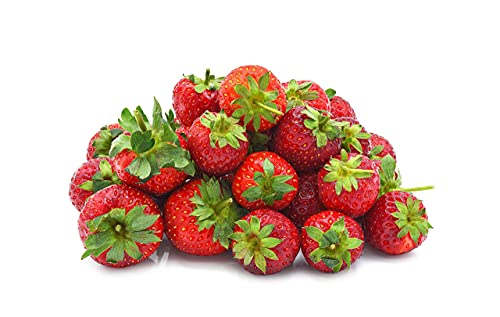
SEASCAPE STRAWBERRIES: Most productive variety that yields large, juicy, firm berries with excellent flavor throughout the harvest season

Spring Planting Benefits
Spring planting offers several advantages. You benefit from warmer temperatures and increased sunlight, which encourage tree growth. Soil is usually moist from melting snow and spring rains, providing an ideal environment for roots to establish. For example, planting bare-root trees between late March and early May allows them to acclimate before the heat of summer. Additionally, this timeframe minimizes the risk of frost damage to newly planted trees.
Fall Planting Advantages
Fall planting brings unique perks. The cooler weather allows trees to focus on root development without the stress of leaf production. Planting in late September to early November enables you to take advantage of the fall rains, promoting moisture absorption in the soil. This moisture helps trees settle in before winter dormancy. For instance, a tree planted in early October can build a strong root system, leading to earlier blooms and fruit production the following spring.
Factors Affecting Planting Time
Planting fruit trees requires careful consideration of various factors. Each element plays a role in determining the optimal timing for planting.
Recommended Products

This order contains 1 live Tangerine tree. The height is 2 to 3 feet tall and it comes in a 1-gallon pot

Product Quantity: 180+ premium bonsai fruit seeds across 5 varieties; Individual packs contain 40+ apple, 40+ lemon, 40+ orange, 20+ blueberry, and 40+ cherry seeds; Perfect for starting a diverse miniature orchard

Climate Zones
Climate zones influence the best time for planting fruit trees. Warmer climates allow for earlier planting, while cooler zones may delay the process. For instance, in USDA Hardiness Zones 8 to 10, you can plant in early spring after the last frost. In contrast, zones 5 to 7 may require a late spring planting to ensure stability. Understanding your local climate aids in selecting the right planting window.
Tree Varieties
Different fruit tree varieties have unique requirements. Some trees, like apples and pears, thrive in cooler temperatures and adapt well to spring planting. Others, such as peaches and citrus, prefer warmer conditions and benefit from late spring or early summer planting. Always research specific varieties for their ideal planting times. Choosing the right varieties for your region maximizes growth potential and enhances fruit yield.
Preparing For Planting
Preparing for planting fruit trees sets the stage for successful growth. Proper site selection and soil preparation are essential steps.
Recommended Products

Kindly NOTE: This soil tester can not be applied to test pH value of any other liquid. If the soil is too dry the indicator will not move, and water it before testing.
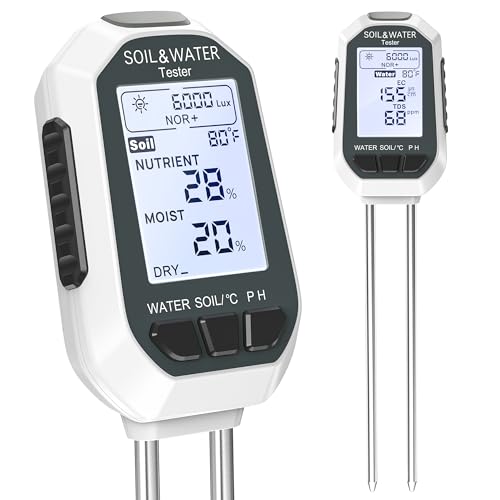
【7-in-1 Features】This is a 7-in-1 multi-function soil tester. Our soil tester quickly measures soil moisture, pH, temperature and light intensity, and its fertility function helps you take better care of your plants. With this device you can measure the soil moisture, pH, temperature and light intensity for your plants and with the EC and TDS functions you will know when it is time to water the soil.

✅ 1Dial & 1 LCD Screen - Replace/install all 3 batteries each time. Put button to %RH/°F to - Turn On, and put to LIGHT to - Turn Off. Read the LCD results in 3-5 mins. (Not Water Moisture Meter, so, please don't test liquid)
Site Selection
Choosing the right location for your fruit trees impacts their growth and yield. Look for a spot with full sun exposure, which means at least six hours of sunlight each day. Select an area with good air circulation to reduce humidity and fungal diseases.
Avoid low-lying areas where cold air settles, as this can lead to frost damage. Consider planting near a water source for easy access to irrigation. When selecting the site, account for the tree’s mature size and spacing requirements. Planting too close to structures or other trees can restrict growth.
Soil Preparation
Soil quality directly influences fruit tree health. Start by testing your soil to determine pH and nutrient levels. Most fruit trees prefer slightly acidic to neutral soil, with a pH between 6.0 and 7.0.
Clear the area of weeds, grass, and debris to reduce competition for nutrients. Amend the soil with organic matter, such as compost or well-rotted manure, to enhance fertility and drainage. If your soil is heavy clay, consider adding sand or perlite for improved aeration.
Dig a hole that’s twice as wide as the root ball but not deeper than necessary, ensuring the tree sits at the same depth it was in the nursery. Fill the hole with a mixture of native soil and compost. Water the area thoroughly after planting to eliminate air pockets and ensure proper soil contact around the roots.
Conclusion
Choosing the right time to plant your fruit trees can make all the difference in their growth and productivity. By planting during the dormant season or considering your local climate, you set the stage for healthy trees and bountiful harvests. Remember to pay attention to the specific needs of the varieties you choose and prepare your planting site well.
With a little planning and care, you’ll be well on your way to enjoying delicious fruits right from your backyard. Happy planting and may your garden flourish!
Frequently Asked Questions
When is the best time to plant fruit trees?
The best time to plant fruit trees is during their dormant period, typically in early spring or late fall. This timing allows the trees to establish roots and adapt to their new environment before the growing season.
Why is timing important for planting fruit trees?
Timing is crucial because planting at the wrong time can lead to slower growth, increased vulnerability to pests, and a higher risk of diseases. Proper timing enhances overall tree health and future yields.
What are the benefits of spring planting?
Spring planting benefits from warmer temperatures and increased sunlight, which promote growth. Also, moist soil from melting snow or spring rains gives roots the best chance to establish effectively.
How does fall planting differ from spring planting?
Fall planting allows trees to focus on root development in cooler weather, supported by fall rains. This helps the trees settle before winter, resulting in stronger roots and earlier blooms in spring.
What factors should I consider when choosing a planting time?
Consider your local climate, frost dates, and USDA Hardiness Zone. Different zones have varying ideal planting times, with warmer areas allowing earlier planting compared to cooler regions.
How do I prepare the site for planting fruit trees?
Choose a location that gets full sun and has good air circulation. Clear the area of weeds and debris, and ensure the site is well-draining. Amending the soil with organic matter is also beneficial.
What should I test in my soil before planting?
It’s essential to test your soil’s pH and nutrient levels. Aim for a slightly acidic to neutral pH, ideally between 6.0 and 7.0, to provide the best environment for your fruit trees.
