

Yes, pear trees can grow in pots in the District of Columbia. Choosing the right variety and providing proper care will ensure successful growth and fruit production.
Best Pear Tree Varieties for Container Growth
When considering growing pear trees in pots in the District of Columbia, selecting the right variety is crucial for success. Certain pear tree types thrive in container environments, offering both beauty and fruit production. This section explores the best pear tree varieties suited for pot cultivation, ensuring gardeners can enjoy a fruitful harvest even in limited spaces.
Choosing the appropriate pear tree variety is crucial for container growth. Some varieties are better suited for pots due to their size and adaptability.
Dwarf or semi-dwarf varieties are ideal because they thrive in limited space and are easier to manage. Look for varieties such as:
Bartlett: Known for its sweet flavor and good disease resistance.
Bosc: Offers a unique taste and is excellent for cooking.
Anjou: A versatile option that is good for fresh eating and cooking.
These varieties can provide a fruitful yield while staying manageable in a pot.
Recommended Products

Light: Thrives in full sun for best fruit production.

Supports Fruit Production & Growth – Helps promote consistent fruit development, healthy foliage, and overall tree performance.

Potting Container Selection for Pear Trees
Choosing the right potting container is essential for successfully growing pear trees in the District of Columbia. The container not only needs to accommodate the tree’s root system but also provide adequate drainage and stability. Selecting the appropriate size and material can significantly impact the health and growth of your potted pear tree.
A well-prepared potting setup is essential for the health of your pear tree. Select a container that is at least 18-24 inches deep and wide to accommodate root growth.
Ensure the pot has drainage holes to prevent waterlogging. Use a high-quality potting mix designed for fruit trees, which will provide necessary nutrients.
Optimal Soil Mix for Potting Pear Trees
Choosing the right soil mix is crucial for the successful growth of pear trees in pots, especially in the unique climate of the District of Columbia. An optimal soil blend not only supports root health but also ensures adequate drainage and nutrient availability. This section will detail the best soil components to promote thriving pear trees in container gardens.
Using the right soil mix is vital for successful growth. Consider the following components:
Organic compost: Enhances soil fertility.
Perlite or vermiculite: Improves drainage and aeration.
Slow-release fertilizer: Provides essential nutrients over time.
A well-balanced mix will support healthy root development and overall tree growth.
Pear Tree Pot Watering and Fertilization Tips
Growing pear trees in pots can be rewarding, especially in the District of Columbia’s unique climate. Proper watering and fertilization are crucial for ensuring healthy growth and fruit production. This section offers practical tips to help you maintain optimal conditions for your potted pear trees.
Proper watering and fertilization are key to maintaining a healthy pear tree in a pot. Monitor soil moisture regularly.
The soil should remain moist but not soggy. During the growing season, typically spring through early fall, follow these guidelines:
Water deeply once a week.
Fertilize every 4-6 weeks with a balanced fertilizer.
Recommended Products

FORMULATED FOR CITRUS AND FRUIT TREES: Use these citrus fertilizer spikes on apple, orange, lemon, lime, and avocado trees; this formula is also great for feeding palm trees
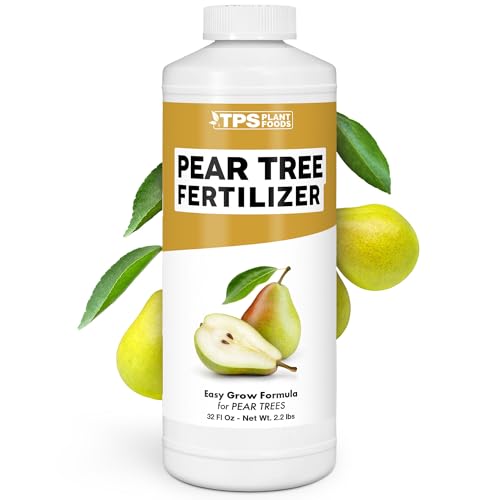
Supports Fruit Production & Growth – Helps promote consistent fruit development, healthy foliage, and overall tree performance.

Made for Lemon & Citrus Trees – Formulated to support healthy growth in lemon and citrus plants.
Pot Watering Frequency for Pear Trees
Understanding the appropriate watering frequency is crucial for successfully growing pear trees in pots, especially in the unique climate of the District of Columbia. This section will provide essential guidelines to ensure your potted pear trees receive the right amount of moisture, promoting healthy growth and fruit production.
| Season | Watering Frequency | Fertilizer Frequency |
|---|---|---|
| Spring | Weekly | Every 4 weeks |
| Summer | Twice a week | Every 6 weeks |
| Fall | Weekly | Every 4 weeks |
| Winter | Monthly | None |
Adjust the watering frequency based on rainfall and temperature.
Container Pear Tree Pruning Methods
Pruning is essential for maintaining the health and productivity of container-grown pear trees, especially in urban settings like the District of Columbia. Proper techniques can enhance growth, shape the tree, and improve fruit quality. Understanding the specific methods for pruning these trees in pots will help ensure they thrive in limited space.
Pruning is essential for maintaining the shape and health of your pear tree. Regular pruning encourages better air circulation and sunlight penetration. Follow these steps:
Remove dead or diseased branches: Inspect the tree regularly.
Thin out crowded branches: This allows for better airflow.
Shape the tree: Aim for an open center to maximize sunlight exposure.
Pruning should be done in late winter or early spring before new growth begins.
Pest Control for Container Pear Trees
Container pear trees can be susceptible to various pests, which can affect their growth and fruit production. Understanding effective pest control methods is essential for gardeners in the District of Columbia who wish to cultivate healthy pear trees in pots. This section provides practical strategies to manage and prevent pest issues specific to container-grown pear trees.
Container-grown pear trees can still be susceptible to pests and diseases. Regular monitoring is important. Common issues include:
Pear psylla: A small insect that can damage leaves.
Fire blight: A bacterial disease that affects blossoms and young shoots.
Insecticidal Soap for Pear Psylla Control
Controlling pear psylla is crucial for maintaining the health of potted pear trees, especially in the District of Columbia. Insecticidal soap offers an effective and environmentally friendly solution to manage these pests. This section will explore its application and benefits in protecting your pear trees from infestation.
Use insecticidal soap: Effective against pear psylla.
Remove affected branches: For fire blight, cut back to healthy tissue.
Implementing these strategies will help maintain a healthy tree.
Winter Protection Strategies for Potted Pear Trees
Potted pear trees can thrive in the District of Columbia, but winter poses unique challenges. To ensure their survival during the colder months, it’s essential to implement effective protection strategies. This section outlines practical tips to safeguard your potted pear trees from harsh winter conditions, helping them flourish year after year.
Winter can be challenging for potted pear trees in the District of Columbia. Protecting your tree from cold temperatures is essential for its survival. Consider the following steps:
Move the pot indoors: If possible, place the tree in a cool, bright area.
Wrap the pot: Use insulating materials to protect roots from freezing.
Reduce watering: Water less frequently as the tree enters dormancy.
Taking these precautions will ensure your tree emerges healthy in spring.
Monitor Pear Tree Growth in Pots
Regularly monitor your pear tree’s growth and adjust care as needed. Look for signs of stress or poor growth, which may indicate issues with watering, nutrients, or pests. Keeping a close eye on your tree will help you make timely adjustments to ensure optimal health and productivity.
Failure to monitor conditions can lead to stunted growth or tree death.
