

Ever wondered how to space your raspberry plants for optimal growth? Picture this: you’ve just brought home some vibrant raspberry bushes, eager to see them flourish in your garden. But the question lingers – how far apart should you plant them?
In this article, we’ll guide you through the ideal spacing for planting raspberries. By understanding the right distance between each plant, you can ensure they have ample room to thrive and yield bountiful harvests. Ready to give your raspberries the best start possible? Let’s explore the perfect planting arrangement together.
Key Takeaways
- Understanding the soil and sunlight conditions is crucial for successful raspberry growth.
- Different raspberry varieties have varying spacing needs based on their growth habits.
- Optimal spacing between plants is essential for growth, productivity, and overall health.
- Proper spacing allows for adequate air circulation, sunlight exposure, nutrient absorption, and easier maintenance.
- Implementing planting techniques like proper hole size and supporting structures can enhance plant growth.
- Care practices such as watering, mulching, and pruning are vital post-planting for long-term plant health.
Understanding Raspberry Planting Requirements
When it comes to planting raspberries, understanding the specific requirements is crucial for their successful growth. Here we delve into the essential factors that influence how far apart you should plant your raspberry bushes.
Soil and Sunlight Conditions
To ensure your raspberry plants thrive, it’s vital to consider the soil and sunlight conditions in your garden. Raspberries prefer well-draining soil with a pH level between 5.5 and 6.5. They also require full sunlight for at least six hours a day to produce bountiful harvests.
Varietal Differences in Raspberry Plants
Different varieties of raspberry plants have varying spacing needs based on their growth habits. For instance, erect varieties generally need more space between plants compared to spreading types. Erect varieties like ‘Heritage’ should be planted about 2-3 feet apart within rows and leave around 8 feet between rows for proper air circulation.
Understanding these variances in raspberry plant types will help you determine the ideal distance to plant them apart, ensuring they have ample room to grow vigorously and yield delicious berries year after year.
Optimal Spacing for Raspberry Plants
When planting raspberry bushes, the optimal spacing between plants is crucial for their growth and productivity. Here’s a guide to help you understand the ideal distances for different raspberry varieties and how spacing impacts their overall health.
Recommended Products
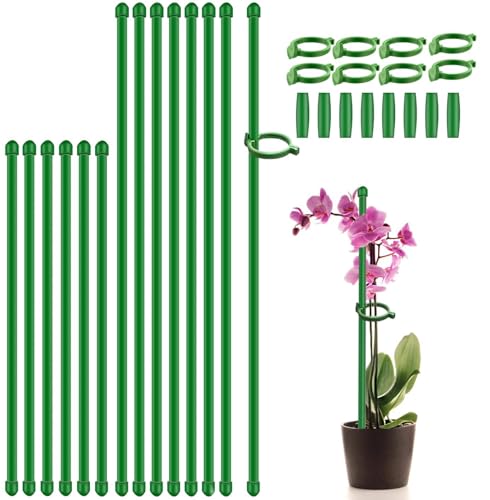
💐[PACKAGE INCLUDE]--16Pcs thick plant sticks(17inch and 11inch each 8pcs),16 ring buckles and 8 connectors,20 strapping tapes.

High-quality materials: These plant support poles are made of high-quality fiberglass material and equipped with plastic ring buckles, they are durable, not easy to bend, enough to support plants, and the green plant stakes can be well integrated with plants, simple and beautiful

【Package Includes】: Total 12 pcs garden plant stakes, 5.9"wide X 9.8" high, enough quantity nicely satisfy daily usages and replacements. The plant support is it can be stacked according to the height of the plant to form a plant support cage. suitable for small pot plants, Tomato, monstera, Peony, Hydrangea, Climbing Plants etc.
Standard Spacing for Different Raspberry Varieties
- Erect Varieties: For upright or erect raspberry varieties like ‘Heritage,’ it’s recommended to space each plant about 2-3 feet apart. Maintain a distance of around 8 feet between rows to allow proper air circulation, which is essential for preventing diseases and promoting healthy growth.
- Trailing Varieties: Trailing raspberries, such as ‘Cascade Delight,’ require slightly wider spacing compared to erect varieties. Plant these varieties approximately 3-4 feet apart to give them ample room to spread out and develop without overcrowding.
- Dwarf Varieties: If you’re growing dwarf raspberry plants like ‘Raspberry Shortcake,’ space them closer together at about 1-2 feet apart. These compact bushes can be planted in containers or small garden spaces while still providing good airflow between plants.
Impact of Spacing on Growth and Health
Proper spacing plays a significant role in the overall growth and health of your raspberry plants:
- Air Circulation: Adequate spacing allows air to flow freely between plants, reducing humidity levels that can lead to fungal diseases.
- Sunlight Exposure: Well-spaced raspberry bushes receive uniform sunlight exposure, ensuring even ripening of fruits and promoting photosynthesis for robust plant development.
- Nutrient Absorption: With sufficient space between plants, each raspberry bush can access essential nutrients from the soil without competing with neighboring plants.
- Harvest Ease: Optimal spacing facilitates easier access for maintenance tasks like pruning, weeding, and harvesting ripe berries without causing damage to nearby branches or fruits.
Planting Techniques for Raspberry Bushes
When planting raspberry bushes, it’s crucial to pay attention to specific techniques that can enhance the growth and productivity of your plants. Here are some essential factors to consider:
Recommended Products

【SEED SPACING】12 tapered spikes set exactly 1 inch apart make evenly spaced holes for seed planting in one press for consistent row seeding.

WHAT YOU GET - 1 * 12“ Bulb Planter Tool. Our garden bulb planter are made by traditional manual process and can be used for more than 10 years. The more the wooden handle and stainless steel will be used, the smoother it will be. It is very suitable for digging solid soil, and the transplanted seedlings have a high survival rate.

Automatic soil release mechanism for quicker planting
Proper Hole Size and Depth
Digging the right hole size and depth is vital for ensuring the healthy development of your raspberry bushes. When preparing the holes for planting, make sure they are wide enough to accommodate the root system comfortably. A good rule of thumb is to dig a hole that is at least twice as wide as the root ball.
In terms of depth, aim to plant your raspberry bushes at the same level they were in their nursery containers. Avoid planting them too deep or too shallow, as this can affect their ability to establish strong roots and access essential nutrients from the soil.
Supporting Structures for Raspberry Plants
To support your raspberry plants as they grow, consider installing appropriate structures that will help them thrive. One common method is using trellises or stakes to provide support for trailing varieties such as ‘Caroline’ or ‘Fall Gold.’ These structures not only prevent the plants from drooping but also make harvesting easier by keeping the fruit off the ground.
For erect varieties like ‘Tulameen’ or ‘Joan J,’ a system of wires attached between posts can help maintain plant stability and encourage vertical growth. This setup ensures proper air circulation around the plants, reducing moisture-related diseases and promoting overall plant health.
By implementing these planting techniques and providing adequate support for your raspberry bushes, you can create an optimal growing environment that fosters healthy growth, abundant fruit production, and easy maintenance throughout the growing season.
Care and Maintenance Post-Planting
After planting your raspberry bushes, it’s essential to focus on proper care and maintenance to ensure their long-term health and bountiful harvests. Here are some key practices to keep in mind:
Recommended Products

DUAL CUTTING POWER: VERSATILE PRUNING COMBO --- With both Pruning Shears and Pruning Snip, this combo delivers unmatched versatility. Whether you're delicately trimming flowers and shrubs, tackling thicker tree branches, or tending to your vegetable and fruit garden, our combo pack excels in all areas. They're also perfect for landscaping projects and maintaining the health and appearance of indoor plants. With this pack, you have a versatile tool that simplifies your gardening tasks.

AMBIDEXTROUS DESIGN: Pruner shape is designed for both right and left-handed use while pruning indoor & outdoor plants such as shrubs, ornamental trees, vines, & flowers like roses; SoftGrip handle reduces hand fatigue & enhances comfort and control

· ULTRA-SHARP SK5 STAINLESS STEEL - Engineered with premium SK5 stainless steel, these heavy duty pruning shears deliver razor-sharp precision and maximum hardness. The rust-resistant blades are designed to stay sharp longer, effortlessly resisting corrosion and sap buildup for smooth, friction-free garden shears performance year after year.
Watering and Mulching Practices
Watering: It’s crucial to maintain consistent moisture levels for your raspberry plants. Aim to provide about 1-2 inches of water per week, especially during dry spells or fruit development stages. Ensure the soil is evenly moist but not waterlogged, as raspberries don’t thrive in soggy conditions.
Mulching: Applying a layer of organic mulch around your raspberry bushes can help retain soil moisture, suppress weeds, and regulate soil temperature. Use materials like straw, wood chips, or compost, making sure not to mound the mulch against the plant stems directly.
Pruning Techniques for Optimal Growth
Pruning: Regular pruning is vital for maintaining healthy raspberry bushes. In late winter or early spring, remove any dead, damaged, or diseased canes to encourage new growth. Additionally, thin out overcrowded canes to improve air circulation and sunlight penetration within the plant canopy.
Tip: When pruning raspberries, use sterilized pruning tools to prevent the spread of diseases between plants. Cut back canes at ground level for summer-bearing varieties or follow specific pruning guidelines for everbearing types based on their fruiting habits.
By following these watering and mulching practices along with proper pruning techniques after planting your raspberries, you’ll promote robust growth, increase fruit production, and enjoy thriving plants season after season.
Conclusion
You’ve learned the essential aspects of planting raspberries, from soil conditions to proper spacing and maintenance. By ensuring well-draining soil, ample sunlight, and correct plant spacing, you set the stage for healthy raspberry growth. Remember to maintain consistent moisture levels, use organic mulch for soil health, and prune regularly to support plant vigor and fruit production. Following these guidelines will help your raspberry bushes thrive and yield bountiful harvests. Happy planting!
Frequently Asked Questions
What are the key requirements for planting raspberries?
Raspberries require well-draining soil with a pH range of 5.6-6.2 and full sunlight for optimal growth.
How should raspberry bushes be cared for post-planting?
After planting, maintain consistent moisture levels, apply organic mulch for soil health, and regularly prune to encourage new growth.
Why is pruning important for raspberry plants?
Pruning helps maintain plant vigor, increase fruit production, and ensure the long-term health of raspberry bushes.
What benefits does mulching provide for raspberry bushes?
Mulching helps retain soil moisture, suppresses weed growth, and improves soil health by adding organic matter.
