

Have you ever admired the stunning blossoms of a flowering cherry tree and wondered if they produce fruit? You’re not alone. Many people are captivated by these beautiful trees, but the question of whether they bear fruit often comes up.
Understanding the differences between flowering and fruiting cherry trees can help you appreciate their beauty even more. In this article, you’ll discover the key distinctions and learn what to expect from these lovely trees. Whether you’re a gardening enthusiast or just curious, you’ll find valuable insights that’ll enhance your knowledge and appreciation of cherry trees.
Key Takeaways
- Flowering vs. Fruiting Cherry Trees: Flowering cherry trees are primarily cultivated for their beautiful blossoms, with most varieties not producing edible fruit.
- Prominent Varieties: Notable flowering cherry tree species include Prunus serrulata (Japanese Cherry), Prunus × yedoensis (Yoshino Cherry), and Prunus subhirtella (Higan Cherry), each known for unique floral displays.
- Ideal Growing Conditions: Flowering cherry trees thrive in full sun, well-drained soil, and regular watering, enhancing their growth and flowering capabilities.
- Limited Fruit Production: While some flowering varieties may yield small cherries, most are bred for ornamentation and do not bear edible fruit.
- Factors Influencing Fruiting: Successful fruit production in trees like Prunus avium (Sweet Cherry) depends on factors such as variety choice, pollination compatibility, and tree maturity.
- Uses in Landscaping: Flowering cherry trees serve ornamental purposes, providing striking visual appeal in gardens and parks, while certain varieties can also offer small, edible fruits.
Overview of Flowering Cherry Trees
Flowering cherry trees, known for their stunning blooms, attract attention in gardens and parks. These trees belong to the genus Prunus, with many varieties showcasing vibrant flower colors, from white to deep pink.
Characteristics
- Appearance: Flowering cherry trees reach heights of 15 to 25 feet. They have broad, rounded canopies and slender branches.
- Flowers: Blossoms typically emerge in spring, creating a spectacular display. Flowers generally last for one to two weeks, depending on weather conditions.
- Leaves: Leaves are usually oval, green, and turn shades of red or yellow in autumn.
Varieties
- Prunus serrulata (Japanese Cherry): Features pink flowers in spring and dark green leaves. It’s commonly seen in Japanese gardens.
- Prunus × yedoensis (Yoshino Cherry): Exhibits pale pink flowers and produces a striking visual display during bloom.
- Prunus subhirtella (Higan Cherry): This variety blooms earlier in the season and has delicate, fragrant flowers.
Habitat
Flowering cherry trees thrive in full sun and well-drained soil. They flourish in various climates but are particularly suited to temperate regions.
- Watering: Regular watering during dry spells promotes healthy blooms.
- Pruning: Prune in late winter to maintain shape and remove dead branches.
- Fertilizing: Using a balanced fertilizer in early spring enhances growth.
This overview emphasizes key details about flowering cherry trees, allowing you to appreciate their beauty and care for them effectively.
Types of Flowering Cherry Trees
Flowering cherry trees come in many varieties, each with distinct characteristics. Understanding these types helps you choose the right one for your landscape.
Recommended Products

Do not transplant into another container, only the ground. These are ready to plant and should be put in the ground according to the included instructions upon arrival. All pictures are of fully grown plants. Sizes shipped are in the title and description. Deciduous plants do not have leaves in the winter.

WHAT YOU WILL RECEIVE: 2 Cherry blossom tree live plant approximately 6 - 12 inches tall, prepared for transplanting into garden soil or outdoor containers

For sale is one Yoshino Flowering Cherry tree that is approximately 6-12" tall and shipped in a 3" pot
Native vs. Non-Native Varieties
Native flowering cherry trees grow in specific regions and offer benefits to local ecosystems. Examples include the Prunus serotina (Black Cherry), found in eastern North America, and the Prunus avium (Sweet Cherry), common in temperate zones. Non-native varieties, like the Prunus serrulata (Japanese Cherry), thrive outside their indigenous areas and often feature spectacular blooms but may require extra care and consideration for local conditions.
Common Species and Their Characteristics
Several notable species stand out among flowering cherry trees:
- Prunus serrulata (Japanese Cherry): Famous for its pink blossoms and unique bark, this species generally reaches heights of 15 to 25 feet. Its blooms attract pollinators, making it a garden favorite.
- Prunus × yedoensis (Yoshino Cherry): Known for its stunning display of pale pink flowers, this tree grows quickly and can reach up to 35 feet. Its fragrance enhances the beauty of spring gardens.
- Prunus subhirtella (Higan Cherry): This species features delicate, semi-double flowers that bloom early in spring. It typically grows between 15 to 20 feet tall and has a graceful, weeping form.
- Prunus cerasifera (Cherry Plum): A small tree reaching 15 to 20 feet, the Cherry Plum displays vibrant white or pink flowers. It’s often used for ornamental planting and can produce small, edible fruits.
Each species has its unique requirements for care and maintenance, so consider your climate and soil conditions when selecting a flowering cherry tree for your garden.
Do Flowering Cherry Trees Have Fruit?
Flowering cherry trees primarily produce ornamental blooms rather than fruit. However, some varieties can bear small cherries.
Recommended Products
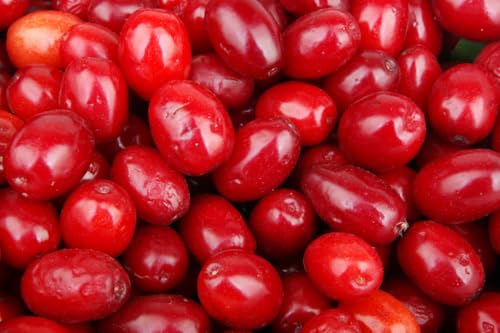
Grow the Unique Cornelian Cherry Dogwood: Start your own Cornelian Cherry tree from these authentic Dogwood Seeds. Cultivate Cornus mas, a prized but underutilized member of the dogwood family, celebrated for its very early spring blooms and edible, vitamin-C-rich fruit.


Package included: Includes 56 pcs edible cherry blossoms cupcake toppers with a box,very lightweight, portable and easy to store and carry.Sufficient quantity can meet your different decoration needs.The size is 1.7*1.9inch /1.18*1.2inch. It is completely edible but not delicious,so pretty tasteless (Not Sweet)
Flowering Cherry Trees and Fruiting Behavior
Most flowering cherry trees, like Prunus serrulata (Japanese Cherry) and Prunus × yedoensis (Yoshino Cherry), are bred for their stunning flowers. These varieties typically do not produce edible fruit. In contrast, trees such as Prunus avium (Sweet Cherry) can yield fruit, but they’re classified differently from pure ornamental types. If your interest lies in fruiting, choose specific varieties that are known to produce cherries.
Factors Influencing Fruiting in Flowering Cherry Trees
Several factors can influence whether a flowering cherry tree produces fruit.
- Tree Variety: Varieties specifically bred for ornamentation won’t produce fruit efficiently.
- Pollination: Pollination methods affect fruit production. Some trees require cross-pollination from other compatible species for fruit development.
- Growing Conditions: Ideal conditions, including sunlight and soil quality, enhance fruiting capabilities. Well-drained, fertile soil promotes healthy growth.
- Age of the Tree: Younger trees may not bear fruit immediately. Fruiting often occurs when trees reach maturity, usually around 3-7 years.
Understanding these aspects allows you to select the right flowering cherry tree for your garden or landscape.
Uses of Flowering Cherry Trees
Flowering cherry trees serve multiple purposes, enhancing landscapes with their beauty and providing some potential uses beyond mere aesthetics.
Recommended Products
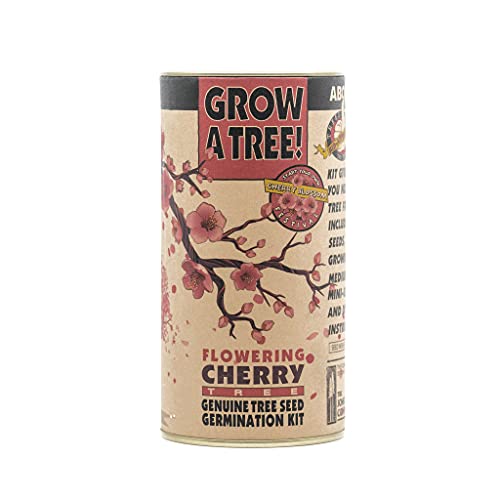
Grow your own tree from seed!

* 【Size】: The Fruit Tree Pollinator measures 29cm/11.42inch in length

[Lush Double Blooms in Mixed Shades] Produces clusters of fully double flowers with 10-30 petals per bloom. Flowers appear in a range of shades from soft pink to rich rose. Each branch becomes covered in cascading floral clusters.
Ornamental Uses
Flowering cherry trees are primarily valued for their stunning blooms. In spring, their vibrant flowers attract attention and create breathtaking displays. Gardeners often plant these trees in parks, gardens, and alongside streets to enhance visual appeal. Varieties like Prunus serrulata (Japanese Cherry) and Prunus × yedoensis (Yoshino Cherry) are particularly popular for their abundant and fragrant blossoms. Use them as focal points in landscaping or plant them in groups for a dramatic effect. Additionally, the trees’ broad canopies offer shade, making them excellent for lawns or public spaces.
Potential Edible Uses
While most flowering cherry trees do not produce edible fruit, some varieties do yield small cherries. For instance, Prunus avium (Sweet Cherry) produces fruits that can be sweet and tasty. However, the ornamental types do not typically bear fruit suitable for consumption. If you’re interested in growing cherries for eating, choose fruiting varieties specifically bred for that purpose. Keep in mind that pollination and proper care play crucial roles in the fruiting process. To maximize fruit production, ensure you plant compatible varieties nearby for effective cross-pollination.
Conclusion
Flowering cherry trees are a stunning addition to any garden with their breathtaking blooms and vibrant colors. While most of these trees are primarily ornamental and don’t produce edible fruit, there are exceptions worth considering if you’re interested in fruiting varieties.
Choosing the right tree for your landscape can enhance not only its beauty but also its ecological value. If you’re looking to enjoy the lovely blossoms and perhaps a few cherries, understanding the differences between flowering and fruiting types is key.
Whether you’re planting for aesthetics or to enjoy some cherries, these trees bring joy and charm to your outdoor space. Happy gardening!
Frequently Asked Questions
Do flowering cherry trees produce fruit?
Most flowering cherry trees do not produce edible fruit, as they are primarily ornamental. While some, like Prunus avium, can yield small cherries, these are classified differently from purely ornamental types. Understanding the distinctions between flowering and fruiting varieties is key.
What are the best conditions for flowering cherry trees?
Flowering cherry trees thrive in full sun and well-drained soil. They prefer a location that allows plenty of sunlight, as this promotes healthy growth and vibrant blooms. Regular watering and late winter pruning also contribute to their overall health.
How tall do flowering cherry trees grow?
Flowering cherry trees typically reach heights of 15 to 25 feet. Their broad canopies and slender branches provide an elegant appearance, making them a popular choice for landscapes and parks.
What are some notable types of flowering cherry trees?
Some notable varieties of flowering cherry trees include Prunus serrulata (Japanese Cherry), Prunus × yedoensis (Yoshino Cherry), and Prunus subhirtella (Higan Cherry). Each of these has unique characteristics, such as bloom color and flowering time.
How should I care for flowering cherry trees?
To care for flowering cherry trees, provide regular watering, especially during dry spells. Late winter pruning helps shape the tree and promotes healthy growth. Early spring fertilizing can also enhance blooming and overall vitality.
Can I grow flowering cherry trees for fruit?
If you’re looking to grow cherries for consumption, choose fruiting varieties like Prunus avium. It’s essential to ensure proper pollination and care to maximize fruit production since most flowering cherries are not meant for fruiting.
When do flowering cherry trees bloom?
Flowering cherry trees typically bloom in spring, with blossoms lasting for one to two weeks. The timing may vary slightly depending on the variety and weather conditions, offering a stunning display during this period.
Why are flowering cherry trees popular?
Flowering cherry trees are popular for their spectacular blooms and aesthetic appeal. They enhance landscapes with vibrant colors, making them ideal for parks, gardens, and public spaces, attracting admirers each spring.
