

Have you noticed the leaves on your fruit trees curling up and looking unhealthy? You’re not alone. Many gardeners face this frustrating issue, and it can be a real puzzle to figure out what’s going wrong.
Curling leaves can signal a range of problems from pests to environmental stress, and identifying the cause is crucial to restoring your trees to health. In this article, you’ll learn about the common reasons behind this phenomenon and how to address them effectively. By understanding the signs and solutions, you can help your fruit trees thrive and enjoy a bountiful harvest.
Key Takeaways
- Identify Leaf Curl Causes: Leaf curling in fruit trees can be caused by pests, environmental stress, or nutrient deficiencies. Understanding these factors is essential for effective treatment.
- Pest Management: Regular inspections for pests like aphids and spider mites are crucial. Early detection allows for prompt application of insecticidal soap or natural remedies like neem oil.
- Monitor Environmental Conditions: Keep an eye on weather fluctuations and adjust watering practices accordingly. Both overwatering and underwatering can contribute to leaf curl.
- Nutrient Balance: Conduct soil tests to determine nutrient levels. Apply balanced fertilizers, particularly those high in potassium, to address deficiencies and promote tree health.
- Recognize Symptoms Early: Look for signs such as discoloration, wrinkling, and spots on leaves. Early identification of symptoms can lead to more effective interventions.
- Preventative Measures: Incorporate organic solutions like compost and beneficial insects to promote overall tree health and resilience against future issues. Regular assessments and interventions can lead to healthier fruit trees and better harvests.
Understanding Leaf Curling in Fruit Trees
Leaf curling in fruit trees can stem from several factors. Recognizing these factors helps you address and mitigate issues early.
Recommended Products

Control fungus and disease in your garden with Captain Jack’s ready-to-spray Liquid Copper Fungicide!

Control diseases and insects in your garden with Captain Jack’s Fruit Tree Spray Concentrate! Use on a variety of listed fruits, nuts and citrus plants.
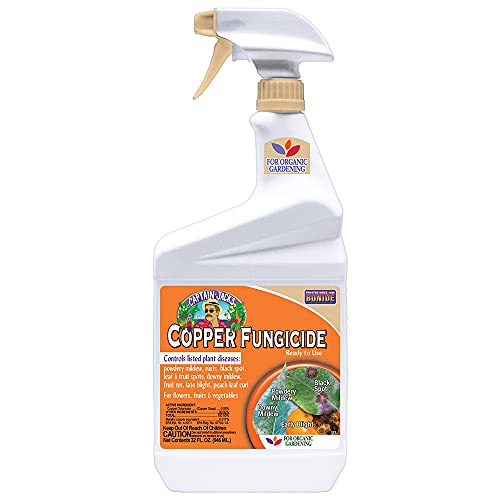
Control fungus and disease in your garden with Captain Jack’s ready-to-use Liquid Copper Fungicide!
Common Causes of Leaf Curling
- Pests: Aphids, spider mites, and leafhoppers can cause leaf curling. These pests suck sap from leaves, leading to distortion. Regular inspections help spot infestations early.
- Environmental Stress: Changes in temperature, humidity, or water supply can stress your trees. Excessive heat or drought may cause leaves to curl inward. Conversely, overwatering can lead to root problems, prompting leaf curl. Monitor weather conditions to adjust care routines.
- Nutrient Deficiencies: Lack of essential nutrients, especially potassium, can lead to leaf curling. Conduct soil tests to check nutrient levels and apply fertilizers as needed. Choose slow-release options for gradual improvement.
How to Identify Leaf Curling
- Inspect for Pests: Check the undersides of leaves and branch axils for signs of pests. Look for tiny insects or webbing which can indicate infestations.
- Examine Soil Conditions: Ensure your trees are planted in well-drained soil. Poor drainage can lead to root rot, causing leaf curl.
- Evaluate Watering Practices: Determine how often you water. Both underwatering and overwatering can cause stress leading to leaf curl. Aim for deep watering whenever the top inch of soil feels dry.
- Treat Pests: Use insecticidal soap or neem oil to control pests. Apply these treatments in the early morning or late evening when beneficial insects are less active.
- Adjust Watering: Water deeply and consistently. Trees need about 1 inch of water per week, whether from rainfall or irrigation.
- Fertilize as Needed: Use a balanced fertilizer to address nutrient deficiencies. Be cautious not to over-fertilize, as this can also cause leaf curling.
By understanding these factors, you can better manage the health of your fruit trees and promote vigorous growth.
Common Causes of Leaf Curling
You’ll find several common reasons for curling leaves on fruit trees. Identifying these causes is essential for restoring your trees’ health.
Recommended Products

PEST DEFENSE - Insecticidal Super Soap controls species of adelgid, ant, aphid, borer, caterpillar, spider mite, cricket, chinch bug, weevil, fly, thrip, & more.

TRIPLE PROTECTION FORMULA: 3-in-1 solution kills listed insects, controls listed diseases, and controls listed mites with one easy application
Environmental Factors
Extreme weather impacts leaf health. High temperatures can cause water loss, leading to curling. You might notice leaves curling upward to reduce surface area and conserve moisture. Conversely, sudden temperature drops or frosts also stress trees, causing leaf curling. Consistent watering is crucial; both overwatering and underwatering can contribute to leaf curl by affecting root health. Regularly monitor temperature fluctuations and adjust your watering schedule accordingly to maintain moisture balance.
Pests and Diseases
Pest infestations frequently cause leaf curling. Aphids and spider mites suck sap from the leaves, leading to distortion. Inspect your trees regularly for these pests and consider using insecticidal soap for treatment. Fungal diseases can also result in curling. They cause leaves to wilt or warp. Proper air circulation and avoiding overhead watering help prevent these issues. Act quickly; treating pests or diseases at the first sign of trouble can prevent more severe damage.
Identifying Symptoms
Recognizing the symptoms of curling leaves on your fruit trees is crucial for diagnosing the underlying issues. Several distinct signs can help you pinpoint the cause.
Leaf Appearance
Curling leaves might appear discolored or wrinkled. Healthy leaves typically boast a vibrant green color. When you notice leaves curling upwards or downwards, it often signals stress. Look for other visual changes, like spots or webbing. These can indicate pest infestations. For instance, aphids cause leaves to roll up while spider mites create fine webs on the underside. You may also see yellowing, which often suggests nutrient deficiencies.
Affected Areas on the Tree
Identify where the curling occurs. While leaf curling primarily impacts outer leaves, entire branches might be affected in severe cases. Observe whether leaves from any specific section seem more distressed. Note if leaf curl appears consistently on younger growth, which might suggest a problem with pests or environmental stress. Check the bark for any wounds or signs of fungal diseases, as these can affect your tree’s overall vitality. Understanding these symptoms leads you closer to effective solutions.
Treatment and Prevention
Identifying the cause of leaf curling on your fruit trees is essential for effective treatment and prevention. Here are some solutions.
Recommended Products

PURE ORGANIC NEEM OIL - Our neem oil concentrate is undiluted and unrefined. One bottle with one ingredient. Just 100% pure cold-pressed neem oil! Minimally processed to retain beneficial vitamins, minerals, and proteins.

NEEM OIL SPRAY FOR PLANTS – A fast-acting, multipurpose neem spray designed for indoor plants, houseplants, and garden use. This ready-to-use plant spray combines cold-pressed neem oil with a balanced botanical blend to solve common plant care issues while supporting healthy, resilient leaves.

Remove dust and water spots from your plant leaves while providing a protective; botanical-based nourishment.
Organic Solutions
- Inspect regularly: Look for pests like aphids, spider mites, or whiteflies. Early detection allows for quicker natural remedies.
- Apply insecticidal soap: Spray your trees with insecticidal soap to eliminate soft-bodied insects. Make sure to cover the undersides of leaves for thorough treatment.
- Introduce beneficial insects: Consider ladybugs or lacewings. These predators feast on common pests and help restore balance.
- Use neem oil: Dilute neem oil with water and spray it on affected leaves. This natural pesticide disrupts the life cycle of pests without harming beneficial species.
- Promote healthy soil: Add organic compost to improve soil quality, which enhances overall tree health and resilience against stress.
- Insecticides: For severe infestations, apply a targeted insecticide. Choose one labeled for the specific pest affecting your trees. Follow the application instructions carefully.
- Fungicides: If fungal diseases cause leaf curl, opt for a fungicide. Look for products suitable for fruit trees and apply as directed.
- Nutrient-focused fertilizers: Use fertilizers high in potassium if nutrient deficiencies contribute to leaf curl. This supports robust growth and helps trees resist stress.
- Systemic treatments: Consider systemic insecticides for persistent pest problems. These enter the tree’s system and protect against pests over time.
Regular assessments and timely interventions foster healthier fruit trees and bountiful harvests.
Conclusion
Curling leaves on your fruit trees can be a frustrating issue but understanding the causes is the first step toward restoring their health. By keeping an eye out for pests and monitoring environmental conditions you can tackle the problem effectively.
Regular inspections and timely interventions are key to ensuring your trees not only survive but thrive. With a little care and attention your fruit trees can bounce back and reward you with a bountiful harvest. So get out there and give your trees the love they need to flourish!
Frequently Asked Questions
What causes leaf curling on fruit trees?
Leaf curling can be caused by pests like aphids and spider mites, environmental stress from temperature changes or inconsistent watering, and nutrient deficiencies, particularly potassium. Recognizing the cause is crucial for restoring tree health.
How can I identify pests on my fruit trees?
Regular inspections are essential. Look for signs like discolored or distorted leaves, webbing, or visible insects. Check the underside of leaves and leaf joints, where pests often hide. Early detection allows for more effective treatment.
What are the best solutions for leaf curl caused by pests?
Use insecticidal soap or neem oil as organic solutions to treat pest infestations. Additionally, introducing beneficial insects can help control pests naturally. For severe cases, you may need targeted insecticides.
How does environmental stress affect leaf curl?
Extreme temperature fluctuations, overwatering, or underwatering can create stress for fruit trees, leading to leaf curl. Monitoring soil moisture and adjusting watering practices helps reduce stress and promotes healthier growth.
Can nutrient deficiencies lead to leaf curling?
Yes, especially a lack of potassium can cause leaf curling. Regularly test your soil and apply balanced fertilizers high in potassium to address nutrient deficiencies and support the overall health of your fruit trees.
How often should I inspect my fruit trees for problems?
Regular inspections, ideally every few weeks during the growing season, can help you catch early signs of problems like pests or environmental stress. Promptly addressing any issues can prevent further damage.
What can I do to prevent leaf curling on my fruit trees?
To prevent leaf curl, maintain consistent watering, utilize balanced fertilizers, and promote healthy soil. Also, regularly inspect your trees for pests and take prompt action when issues arise to ensure their health.
