

Are you frustrated that your fig tree isn’t producing fruit? You’re not alone. Many gardeners share the same struggle, eagerly waiting for those sweet figs to appear but feeling let down when they don’t.
Key Takeaways
- Understanding Needs: Fig trees thrive in full sun for 6-8 hours daily and require well-drained, nutrient-rich soil with a pH of 6.0 to 6.8.
- Pruning Importance: Regular pruning in late winter can significantly enhance fruit production by improving airflow and removing dead or overcrowded branches.
- Fertilization Strategies: Use organic fertilizers or balanced NPK formulas in early spring to provide essential nutrients for healthy fruit development.
- Watering Practices: Establish a consistent watering schedule, with young trees needing more frequent watering than mature ones, while keeping an eye out for signs of overwatering.
- Pollination Awareness: Some fig varieties may require pollination; consider growing self-pollinating types if local insect diversity is low.
- Climate Suitability: Fig trees prefer warm temperatures between 75°F and 90°F and may need protection from frost, especially in cooler climates.
Understanding Fig Trees
Fig trees (Ficus carica) are deciduous plants prized for their unique fruits and attractive foliage. You can grow them in gardens or containers, making them versatile for various spaces. Understanding their requirements enhances your chances of fruit production.
Growth Conditions
Figs thrive in locations with full sun exposure, meaning at least 6-8 hours of sunlight daily. Well-drained soil is crucial; waterlogged roots can cause issues. Aim for a pH between 6.0 and 6.8 for optimal growth.
Pruning and Maintenance
Pruning promotes healthy growth. Perform pruning in late winter when the tree is dormant. Remove dead or overcrowded branches to increase airflow, which helps prevent diseases. Regular fertilization with a balanced fertilizer supports growth.
Pollination Requirements
Some fig varieties need pollination to bear fruit. For example, the “Caprifig” requires wasp pollination. Consider self-pollinating varieties if local biodiversity is low. This ensures fruit set without the need for insects.
Temperature and Climate
Fig trees prefer warm climates, ideally between 75°F and 90°F. They’re sensitive to frost, which can damage young growth. In cooler areas, consider planting in pots and moving them indoors during winter.
Watering Needs
Establish a consistent watering schedule. Young fig trees require more frequent watering, about once a week, while mature trees can tolerate drier conditions. Overwatering or underwatering can both disrupt fruiting.
Common Reasons for Lack of Fruit
Several factors contribute to a fig tree’s failure to produce fruit. Insufficient sunlight, improper watering, and lack of nutrients are common culprits. Pests or diseases can also hinder growth, so monitor your tree regularly for signs of trouble.
By understanding fig trees and meeting their specific needs, you can increase the likelihood of harvesting delicious figs.
Ideal Growing Conditions
Creating the right environment for your fig tree significantly influences its ability to bear fruit. Focus on these key aspects to optimize growth.
Recommended Products

100% Natural: Custom blend for Fiddle Leaf Fig Tree (Lyre Leaf Fig Tree); no artificial ingredients

Pre-Mixed & Ready To Use: Our fiddle leaf fig potting soil mix is meticulously crafted for convenience. It includes a 5-in-1 blend of coco coir, coconut fiber, perlite, pumice and pine bark, so there is no need to purchase, measure or mix separate ingredients. The ready-to-use blend helps make repotting large indoor plants quicker and less messy.
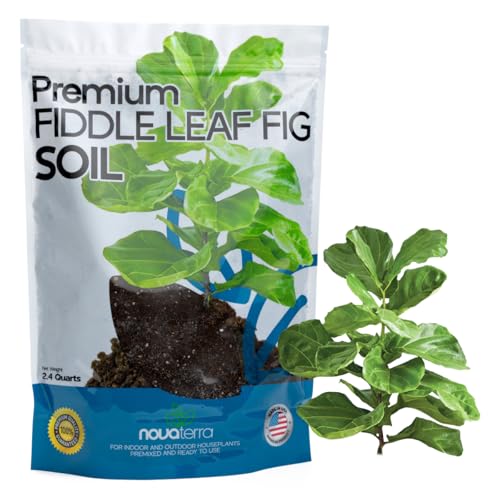
FIDDLE LEAF FIG SOIL: Premixed, ready-to-use blend formulated for Ficus lyrata. Supports healthy roots with balanced moisture retention and excellent drainage.
Sunlight Requirements
Fig trees thrive in full sun. Aim for at least 6 to 8 hours of direct sunlight daily. If your tree doesn’t receive enough light, it may struggle to produce fruit. Consider locations like southern or western-facing areas of your yard. You can also ensure sunlight reaches your tree by pruning nearby plants that create shade.
Soil Preferences
Well-drained soil is critical for fig trees. They prefer sandy loam rich in organic matter. The ideal pH level ranges from 6.0 to 6.8. You can test your soil with a simple pH kit available at garden centers. If your soil is too heavy or clay-like, amend it with compost or well-rotted manure to improve drainage. Installing a raised bed can also facilitate better root aeration.
Pruning Techniques
Pruning enhances fig tree health and increases fruit production. Proper techniques ensure strong growth and airflow, leading to abundant yields.
When to Prune
Prune fig trees during late winter or early spring, just before new growth begins. This timing minimizes stress on the tree and encourages vigorous growth as temperatures rise. Avoid pruning in fall or winter when trees are dormant, as this can lead to damage from cold temperatures.
- Gather Tools: Use clean, sharp pruners, loppers, and gloves. Ensure tools are sanitized to prevent disease spread.
- Assess the Tree: Examine the tree for dead, damaged, or overcrowded branches. Look for branches crossing each other, as these can create wounds and attract pests.
- Remove Dead Wood: Cut away any dead or diseased branches. This reduces the risk of disease and promotes a healthier tree.
- Thin Out Branches: Remove a few of the oldest branches to improve sunlight penetration and air circulation. Aim for an open center structure to encourage growth.
- Shape the Tree: Trim back healthy branches by one-third to one-half of their length. Focus on creating a balanced shape for better aesthetics and fruit production.
- Dispose of Debris: Collect and dispose of all pruned material. Proper disposal minimizes disease risk throughout the garden.
By following these pruning practices, you improve your fig tree’s structure and maximize its chances of bearing fruit.
Fertilization Practices
Fertilization plays a crucial role in helping your fig tree produce fruit. Using the right fertilizers and application methods ensures your tree receives essential nutrients for growth and fruiting.
Recommended Products

🌿 Balanced 10-10-10 Granular Fertilizer for Outdoor & Indoor Plants: All-purpose plant food with 10% Nitrogen, 10% Phosphorus, and 10% Potassium. Perfect for outdoor vegetable gardens, fruit trees, evergreens, shrubs, lawns, and flowers. Also great for potted plants and indoor gardening. One solution for all your plant needs!

ESSENTIAL NUTRIENTS - A balanced mix to feed your ficus that promotes strong root structure, growth and overall better health. Provides the proper nutrients to grow your small fiddleleaf or audrey ficus into a giant!

🕗 SLOW-RELEASE PELLETS — Releases essential nutrients over 6 month period. Apply and forget
Types of Fertilizers
You’re going to find several effective fertilizers for fig trees. Consider the following options:
- Organic Fertilizers: Compost, well-rotted manure, and fish emulsion offer nutrients without chemical additives. They improve soil structure and promote healthy root growth.
- NPK Fertilizers: Look for fertilizers with a balanced NPK ratio (Nitrogen, Phosphorus, Potassium), such as a 10-10-10 or 5-10-10 formula. Nitrogen aids leaf growth, while phosphorus boosts fruit development.
- Slow-Release Fertilizers: These fertilizers release nutrients over time, providing a steady supply for your fig tree. Apply them according to label instructions, typically once in early spring.
Application Methods
Applying fertilizers correctly can maximize their effectiveness for your fig tree. Follow these methods for optimal results:
- Timing: Fertilize your fig tree in early spring, just before new growth begins. This timing allows the tree to utilize nutrients when needed most.
- Distribution: Spread your chosen fertilizer evenly around the base of the tree. Keep the application several inches away from the trunk to prevent root burn.
- Watering: After applying fertilizer, water the area thoroughly. This step helps the nutrients soak into the soil and reach the roots more effectively.
- Frequency: For organic fertilizers, reapply every 4 to 6 weeks during the growing season. For NPK fertilizers, a single application in spring often suffices.
By following these fertilization practices, you give your fig tree what it needs to thrive and bear delicious fruit. Adjust your methods based on your tree’s specific needs and soil conditions for optimal results.
Watering Guidelines
Watering fig trees requires a balance to ensure healthy growth and fruit production. Understanding the watering needs for fig trees helps maintain optimal soil moisture, promoting robust fruiting.
Frequency of Watering
Water young fig trees every week during the growing season. Mature fig trees require less frequent watering, typically every 10 to 14 days. Adapt your watering schedule based on weather conditions. During hot, dry spells, increase watering frequency to prevent stress. If possible, water early in the morning or late afternoon to minimize evaporation.
Signs of Overwatering
Recognize the signs of overwatering to avoid root rot and other issues. Yellowing leaves, wilting, or leaf drop indicate potential waterlogging. Check the soil moisture by digging a few inches into the soil. If it feels soggy or overly wet, reduce watering. Good drainage is crucial; ensure the soil drains well to keep your fig tree healthy.
Conclusion
Getting your fig tree to bear fruit can feel like a challenge but with the right care and attention you can turn that frustration into joy. By ensuring your tree gets plenty of sunlight and the right soil conditions you’re setting the stage for success.
Regular pruning and proper watering will help keep your tree healthy and encourage fruit production. Remember to be patient as it may take some time for your efforts to pay off. With a little love and the right practices your fig tree can reward you with delicious figs to enjoy. Happy gardening!
Frequently Asked Questions
Why aren’t my fig trees producing fruit?
Fig trees may not produce fruit due to several reasons, including insufficient sunlight, improper watering, or pest issues. To improve fruit production, ensure your fig tree gets at least 6–8 hours of direct sunlight daily and monitor watering to maintain optimal soil moisture.
What are the ideal growing conditions for fig trees?
Fig trees thrive in full sun, well-drained sandy loam soil with a pH of 6.0 to 6.8. They prefer locations that receive ample sunlight, so southern or western-facing spots are ideal. Regularly check soil drainage and amend heavy soils with compost if necessary.
How should I prune my fig tree?
Prune fig trees in late winter or early spring to promote healthy growth. Use clean, sharp tools to remove dead or overcrowded branches and thin out for better sunlight penetration. Ensure the tree maintains balance and dispose of pruned material properly to avoid disease.
What type of fertilizer is best for fig trees?
Organic options like compost and well-rotted manure work well for fig trees, as do balanced NPK fertilizers. Fertilize in early spring and distribute evenly around the tree base, watering thoroughly after application. Adjust frequency based on the fertilizer type used.
How much water do fig trees need?
Young fig trees require weekly watering during the growing season, while mature trees need less frequent watering, typically every 10 to 14 days. Monitor weather conditions and soil moisture, avoiding overwatering, which can cause yellowing leaves and root rot.
