

Have you ever wondered if your beautiful fiddle leaf fig tree could surprise you with some tasty fruit? You’re not alone. Many plant lovers are curious about the potential of these popular houseplants beyond their stunning leaves.
While they make a striking addition to any home, the question remains: do they actually produce fruit? In this article, you’ll discover the truth about fiddle leaf figs and their fruit-bearing capabilities. By the end, you’ll have a clearer understanding of what to expect from your leafy friend and how to care for it, whether you’re hoping for fruit or just enjoying its foliage.
Key Takeaways
- Fiddle leaf fig trees (Ficus lyrata) are popular houseplants, known for their impressive foliage but rarely produce fruit indoors.
- Optimal growing conditions include bright, indirect light, well-draining soil, and humidity levels between 30%-50%.
- Successful pollination is essential for fruit production, but indoor environments often lack the necessary pollinators and conditions for this process.
- While outdoor fiddle leaf figs in suitable climates may occasionally bear fruit, this is uncommon and requires specific environmental factors to align.
- Understanding your fiddle leaf fig’s needs will enhance its growth and foliage, even if fruit-bearing is unlikely.
Overview of Fiddle Leaf Fig Trees
Fiddle leaf fig trees (Ficus lyrata) are popular houseplants known for their large, glossy leaves. They can grow up to 10 feet tall in optimal indoor conditions, making them a striking addition to any space. Native to the tropical regions of West Africa, these trees thrive in bright, indirect light.
Fiddle leaf figs require specific care to flourish. Water them when the top inch of soil dries out, ensuring good drainage to avoid root rot. Fertilizing every four to six weeks during the growing season promotes healthy leaf growth.
While fiddle leaf figs add aesthetic value, they do not produce fruit in typical indoor settings. These trees produce small flowers that can develop into fruit, but this process requires optimal conditions found only in their native habitat. If you keep your fiddle leaf fig outdoors in a suitable climate, it may bear fruit, but this is rare.
For best results, focus on creating a conducive environment for your fiddle leaf fig. Pay attention to lighting, watering, and humidity levels for optimal growth. You’ll enjoy the beauty of this plant, whether or not it produces fruit.
Recommended Products

ARE YOU STARVING YOUR FIDDLE LEAF FIG? Fiddle leaf fig plants require precise nutrients to thrive, promoting their growth, vitality, and robust root systems. Our exclusive Fiddle Leaf Fig Plant Food offers a tailored plant food solution, ensuring optimal nourishment for your beloved plant. Say goodbye to alternatives and provide your fiddle leaf fig with the care it truly deserves.

🌿 FAST-ACTING FORMULA FOR STRUGGLING FIDDLE LEAF FIGS. Our Rescue Drops go to work immediately to revive drooping, browning, or damaged leaves. Designed to help your plant bounce back quickly, this immunity-boosting formula helps your plant heal from root stress, overwatering, transplant shock, and other common issues.

Made for Fiddle Leaf Fig Plants – Specially formulated fiddle leaf fig fertilizer designed for ficus trees and indoor plant care.
The Biology of Fiddle Leaf Fig Trees
Fiddle leaf fig trees, scientifically known as Ficus lyrata, have specific biological traits that define their growth and breeding. Although they’re popular for their striking appearance, they generally don’t produce fruit indoors.
Growth Conditions
Fiddle leaf figs thrive in conditions that mimic their native environment in West Africa. They prefer bright, indirect light, which promotes healthy leaf growth. When growing indoors, place your plant near a window where it can receive adequate light without direct sun exposure that could scorch the leaves.
Soil drainage is also crucial. Use a well-draining potting mix to prevent root rot. Water the plant only when the top inch of soil dries out. Factors such as humidity and temperature influence growth, so maintain humidity levels around 30% to 50%. Aim for a temperature range of 60°F to 75°F (16°C to 24°C).
Pollination Requirements
Fiddle leaf fig trees typically do not flower indoors, which impacts their ability to produce fruit. In their natural habitat, they require specific pollinators, such as tiny wasps, to fertilize flowers. These conditions rarely occur in home settings.
If pollination doesn’t occur, fruits won’t develop. In fact, the plant usually relies on external environmental factors to complete its reproductive cycle. While fiddle leaf figs might bear tiny fig-like structures, these aren’t true fruits without successful pollination. Thus, indoor conditions often lead to a fruitless endeavor for the plant.
By understanding these biological aspects, you can better appreciate your fiddle leaf fig tree’s needs and enjoy its lush foliage to the fullest.
Fruit Production in Fiddle Leaf Fig Trees
Fiddle leaf fig trees rarely produce fruit inside homes. Their specific requirements for fruit development remain unmet in typical indoor environments.
Recommended Products

All Purpose Mix; Nutrient Enrichment & Drainage Control for Fiddle Leaf Fig Trees & All Other Indoor Houseplants

100% Natural: Custom blend for Fiddle Leaf Fig Tree (Lyre Leaf Fig Tree); no artificial ingredients
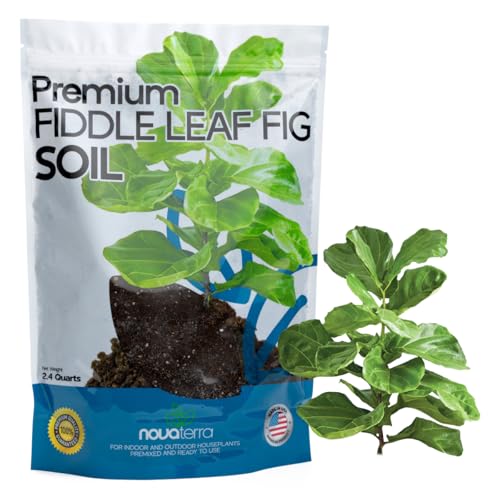
FIDDLE LEAF FIG SOIL: Premixed, ready-to-use blend formulated for Ficus lyrata. Supports healthy roots with balanced moisture retention and excellent drainage.
Common Myths and Misconceptions
Many plant enthusiasts believe fiddle leaf figs produce fruit under any circumstances. This misconception arises from their name, as they belong to the fig family. However, without specific pollinators, like tiny wasps found in their native habitat, they cannot produce true fruits. Instead, you might see small, fig-like structures that resemble fruit but aren’t.
Factors That Affect Fruit Production
Several factors influence whether a fiddle leaf fig can bear fruit:
- Pollination: Successful pollination relies on specific environmental conditions that indoor settings don’t replicate. The absence of pollinators often prevents flower formation.
- Climate: Fiddle leaf figs thrive in humid, warm conditions found in tropical regions. Indoor climates usually lack the necessary humidity and temperature levels.
- Soil Requirements: Well-draining soil supports healthy plant growth. Poor soil conditions can hinder overall health and decrease fruit production potential.
- Light Exposure: Bright, indirect light fosters plant vitality. Insufficient light limits the tree’s ability to reach maturity, affecting its flowering and fruiting capabilities.
By keeping these factors in mind, you can create an environment that helps your fiddle leaf fig thrive, even if fruit production remains unlikely.
Conclusion
While fiddle leaf fig trees are stunning additions to your home they’re unlikely to produce fruit indoors. Understanding their unique needs helps you create the best environment for your plant to thrive.
Even without fruit, these trees bring joy and beauty to any space with their impressive foliage. So focus on providing the right care and enjoy watching your fiddle leaf fig grow and flourish. Remember that sometimes the beauty of a plant lies in its leaves rather than its fruit. Happy planting!
Frequently Asked Questions
Recommended Products

ESSENTIAL NUTRIENTS - A balanced mix to feed your ficus that promotes strong root structure, growth and overall better health. Provides the proper nutrients to grow your small fiddleleaf or audrey ficus into a giant!

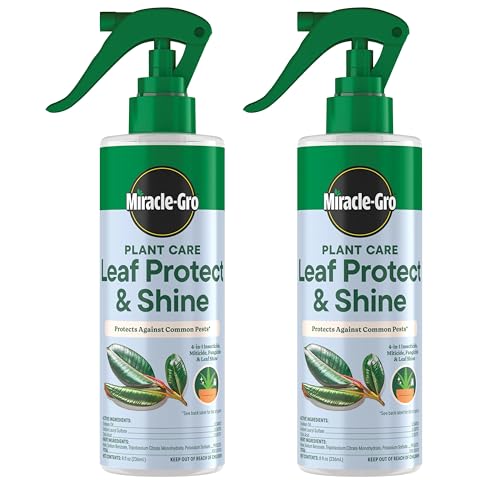
MULTI-PURPOSE PLANT SPRAY: Miracle-Gro Plant Care Leaf Protect & Shine plant spray helps plants in four ways by protecting against mites, insects, and disease control while also beautifying plants for houseplant care
Can fiddle leaf fig trees produce fruit indoors?
Fiddle leaf fig trees typically do not produce fruit indoors. The conditions required for fruit development, such as specific pollinators and the right climate, are often absent in a home environment.
What do fiddle leaf fig trees need to thrive?
To thrive, fiddle leaf figs need bright, indirect light, well-draining soil, and adequate watering when the top inch of soil dries out. They should also be fertilized every four to six weeks during the growing season.
What are the common misconceptions about fiddle leaf figs?
Many people mistakenly believe that fiddle leaf figs can produce fruit simply because of their name. In reality, they require specific conditions for fruit production, including successful pollination by tiny wasps, which are not present indoors.
How tall can fiddle leaf fig trees grow?
Fiddle leaf fig trees can grow up to 10 feet tall indoors when provided optimal care, including adequate light and proper watering techniques.
What factors affect fruit production in fiddle leaf figs?
Fruit production in fiddle leaf figs is influenced by several factors, including successful pollination, appropriate climate conditions, well-draining soil, and sufficient light exposure. Without these elements, true fruit development is unlikely.
