

Have you ever wondered if you can grow your own olives right in your living room? Indoor olive trees are becoming popular for their beauty and potential for fruit production. But many people are left asking: will my indoor olive tree actually produce fruit?
If you’ve invested time and care into nurturing your little green companion, it’s only natural to hope for a harvest. In this article, you’ll discover what it takes for an indoor olive tree to bear fruit and the factors that can influence its success. Whether you’re a seasoned plant parent or just starting out, you’ll find valuable tips to help you enjoy the fruits of your labor.
Key Takeaways
- Olive Tree Varieties: Choose among self-pollinating varieties like Arbequina and Manzanilla for better chances of indoor fruit production.
- Light & Climate Requirements: Ensure your indoor olive tree receives at least 6 hours of direct sunlight daily and is maintained in a temperature range of 60°F to 75°F.
- Pollination Needs: Indoor olive trees may require hand-pollination; creating an optimal indoor environment can enhance natural pollination.
- Watering & Soil Care: Use well-draining soil and allow the top inch to dry out between waterings to prevent root rot while maintaining slight moisture.
- Pruning & Fertilization: Regular pruning and appropriate fertilization strategies are crucial for stimulating growth and maximizing fruit yield.
- Pest Management: Regularly monitor for pests and environmental stressors to maintain plant health, as healthy trees are more likely to bear fruit.
Understanding Olive Trees
Olive trees thrive in a variety of environments and come in different types. Understanding them helps you care for your indoor tree, potentially leading to fruit production.
Types of Olive Trees
Several types of olive trees exist, each with unique characteristics.
- Arbequina
Arbequina olives are small, brownish-green, and known for their rich flavor. They adapt well to indoor conditions and can produce fruit within 1-2 years if cared for properly. - Kalamata
Kalamata olives are dark purple and large, commonly used in Mediterranean dishes. These trees require more sunlight and space but can also thrive indoors with the right conditions. - Manzanilla
Manzanilla olives are small and green, often pickled. They’re suitable for pots and can produce fruit as early as the second year after planting.
Focusing on these varieties can help you choose the best indoor olive tree for fruit production.
Indoor vs. Outdoor Olive Trees
Growing olive trees indoors differs from outdoor cultivation in several ways.
- Light Requirements
Indoor olive trees need at least 6 hours of bright, direct sunlight daily. Outdoor trees benefit from full sun, which helps increase fruit yield. - Climate Considerations
Indoor olive trees thrive in a controlled environment. They prefer temperatures between 60°F and 75°F. Outdoor trees withstand higher temperatures, but they also need protection from frost. - Pollination Needs
Indoor olive trees may require hand-pollination to produce fruit. Outdoor trees typically benefit from natural pollinators like bees. - Watering and Drainage
Indoor trees require careful watering. Use well-draining soil and allow the top inch to dry out between waterings. Outdoor trees tolerate more moisture but also prefer well-drained spaces.
Recognizing these differences helps you create the best environment for your indoor olive tree and enhances your chances of enjoying homegrown olives.
Growing Conditions for Indoor Olive Trees
To grow a healthy indoor olive tree that produces fruit, specific conditions must be met. These factors primarily include adequate light, suitable soil, and proper watering practices.
Recommended Products

72 LED Full Spectrum, 380nm-800nm – Built with 72 super bright LEDs covering the full 380nm-800nm spectrum: 36 white 5000K, 28 warm white 3000K, 6 red and 2 blue. This grow light for indoor plants delivers the wavelengths your plants need year-round, supporting every stage from seedling to bloom — even in rooms with little natural sunlight.
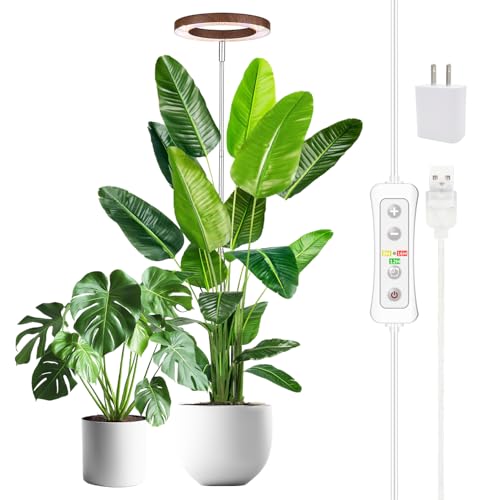
Designed for Large & Tall Indoor Plants:Designed specifically for large indoor plants and tall plants that need stronger and wider light coverage. Helps big plants thrive even in low-light areas like living rooms, corners, or offices.Provides full spectrum light (380nm–800nm) to support every stage of plant growth. A perfect sunlight replacement for indoor plants.

Light Requirements
Olive trees thrive in bright, direct sunlight. Aim for at least six hours of sunlight daily. A south-facing window is ideal. If natural light isn’t available, use grow lights to supplement. Position the lights about 12-24 inches above the tree for optimal exposure. Regularly rotate the tree to ensure all sides get equal light. This practice promotes even growth and increases the likelihood of fruit production.
Soil and Water Needs
Use well-draining soil to prevent waterlogging, which can lead to root rot. A cactus or potting mix works well. Consider adding perlite or sand to enhance drainage.
Water the tree deeply, allowing excess water to drain away. Your goal is to keep the soil slightly moist but not soggy. Check the topsoil; if it feels dry about an inch down, it’s time to water. Reduce watering in winter, as olive trees enter a dormant phase. Monitor humidity levels; indoor environments can be dry. If needed, mist the leaves occasionally or place a humidity tray near the tree to maintain moisture.
Pollination and Fruit Production
Pollination plays a key role in the fruit production process of indoor olive trees. Understanding how it works can help you achieve success in cultivating olives at home.
Recommended Products

Precise Manual Pollination: This vegetable pollinator tool provides controlled hand pollination that enhances fruit and vegetable pollination efficiency, helping to increase crop yields by reliance on unpredictable natural pollinators

Plant pollinator-- this tool is designed to be compatible with different types of crops, including hybrids, exotic species, and varieties,fruits pollination

Efficient Pollination Tool: This plant pollinator tool enables precise manual pollination for a variety of crops including vegetables, fruits, and flowers, helping farmers improve yields and increase productivity without relying on unpredictable insect pollinators
Self-Pollinating Varieties
Some olive tree varieties are self-pollinating, meaning they can produce fruit without the need for another tree. Trees like Arbequina and Manzanilla fall into this category. These varieties typically set fruit on their own, given the right conditions. However, even self-pollinating trees benefit from having other trees nearby, as this can enhance fruit set and size. For best results, consider planting multiple varieties if space allows.
Impact of Indoor Environment on Pollination
The indoor environment significantly affects pollination. Factors like humidity, temperature, and air circulation come into play. For example, dry air can hinder the pollen’s ability to travel, while overly humid conditions can lead to fungal issues. Aim to maintain humidity levels between 40% and 60% and ensure good air circulation around your plants. Providing adequate light also helps with pollination; place your tree where it receives at least six hours of direct sunlight each day. Using a soft paintbrush, you can also hand-pollinate flowers to increase your chances of successful fruit set.
Care Tips for Fruit Production
To enhance fruit production in your indoor olive tree, focus on specific care techniques that promote growth and yield.
Recommended Products

🌳Olive & Fruit Trees: 6-4-6 fertilizer for fruit trees—ideal olive tree fertilizer for potted & outdoor trees; supports healthy growth and fruiting.

Made for Olive Trees - This olive tree fertilizer is formulated specifically to support healthy growth and long-term vitality in olive trees.

Made for Lemon & Citrus Trees – Formulated to support healthy growth in lemon and citrus plants.
Pruning Techniques
Pruning maintains your tree’s shape and encourages fruiting. Begin by removing any dead or damaged branches. Cut back excessively long branches to promote a bushier growth habit. Use clean, sharp pruning shears to avoid damaging the plant. Aim to prune during late winter or early spring before new growth starts. Remove any suckers that grow at the base; these can take energy away from fruit production. Keeping the interior of the tree open allows for better air circulation and light penetration, further stimulating fruiting.
Fertilization Strategies
Fertilization plays a crucial role in fruit production. Use a balanced, water-soluble fertilizer specifically designed for fruiting trees. Apply the fertilizer every four to six weeks during the growing season, typically from spring to early fall. Follow the manufacturer’s instructions for specific dosage. Avoid over-fertilizing, as this can lead to leafy growth at the expense of fruit. During the tree’s dormant phase in winter, reduce or eliminate fertilizer applications to allow the plant to rest. Keep an eye on the soil; if it becomes depleted, adjusting your fertilization routine can bolster your tree’s performance and fruit yield.
Common Challenges
Indoor olive trees face several challenges that may hinder their ability to produce fruit. It’s essential to address these issues to maximize your chances of enjoying homegrown olives.
Pest Control
Pests can seriously affect the health of your indoor olive tree. Common pests include aphids, spider mites, and scale insects.
- Identify Infestations: Regularly inspect your tree for signs of pests, such as webbing or discolored leaves.
- Use Natural Remedies: Introduce beneficial insects like ladybugs or use insecticidal soap to manage infestations effectively.
- Maintain Cleanliness: Wipe down leaves with a damp cloth to remove dust and pests. Regular maintenance can prevent larger infestations.
- Monitor Plant Health: Healthy trees are less susceptible to pests. Ensure proper watering and adequate light to keep your tree strong.
Environmental Stressors
Environmental factors can significantly affect the fruit production of indoor olive trees.
- Light Levels: Olive trees require at least six hours of direct sunlight daily. Place your tree near a south-facing window or use grow lights if natural light is inadequate.
- Humidity Levels: Olive trees prefer a humidity range of 40% to 60%. Use a humidifier or pebble trays to maintain proper humidity during dry seasons.
- Temperature Fluctuations: Keep your tree in a stable environment, ideally between 60°F to 75°F. Avoid placing it near drafts, heaters, or air conditioning vents.
- Watering Practices: Overwatering leads to root rot, while underwatering causes stress. Water your tree deeply when the top inch of soil feels dry, ensuring proper drainage.
By proactively managing pests and environmental conditions, you can create a thriving indoor olive tree that has a better chance of producing fruit.
Conclusion
Growing an indoor olive tree can be a rewarding experience that adds beauty to your space and the potential for delicious homegrown fruit. By providing the right care and conditions you can increase your chances of enjoying those tasty olives.
Remember to focus on adequate light humidity and proper watering practices. Don’t forget about the importance of pollination and consider hand-pollinating for better fruit set. With a little patience and attention your olive tree can thrive and bring you joy for years to come. Happy gardening!
Frequently Asked Questions
Can indoor olive trees bear fruit?
Yes, indoor olive trees can bear fruit if given the right care. Varieties like Arbequina and Manzanilla are known for their ability to produce olives indoors, especially with adequate light, proper watering, and care.
What type of olive trees are best for indoor growth?
Great options for indoor olive trees include Arbequina, Kalamata, and Manzanilla. Each variety has its unique characteristics and care needs, making them suitable choices for indoor cultivation.
How much light do indoor olive trees need?
Indoor olive trees require at least six hours of bright, direct sunlight each day. South-facing windows are ideal, and grow lights can be used if natural light is insufficient.
How should I water my indoor olive tree?
Water your indoor olive tree deeply but allow the top inch of soil to dry out before watering again. This prevents waterlogging, which can harm the tree’s roots.
Do indoor olive trees need fertilizing?
Yes, fertilization is important. Use a balanced, water-soluble fertilizer every four to six weeks during the growing season. Reduce or eliminate fertilization during the dormant winter phase to help the plant rest.
How can I help with pollination for my indoor olive tree?
Some olive varieties are self-pollinating, but having multiple trees aids production. To improve pollination, maintain humidity levels between 40%-60% and consider hand-pollinating flowers with a soft paintbrush.
What are common pests for indoor olive trees?
Common pests include aphids and spider mites. Regular inspections and natural remedies can help manage these pests, along with ensuring the tree is clean to prevent infestations.
What challenges do indoor olive trees face?
Indoor olive trees can encounter issues like low light, improper humidity, and pest infestations. Addressing these challenges through proper care helps create a healthier environment and improves fruit production.
