

Wondering when to fertilize your fruit trees? You’re not alone. Many gardeners face the same question, eager to help their trees thrive and produce delicious fruit. Timing is everything when it comes to fertilizing, and getting it right can make a big difference in your tree’s health and productivity.
Imagine nurturing your trees through the seasons, only to realize you missed the perfect window for fertilization. This article will guide you through the best times to feed your fruit trees so you can enjoy bountiful harvests year after year. With a bit of knowledge, you’ll be well on your way to creating a flourishing fruit garden.
Key Takeaways
- Optimal Fertilization Times: Fertilize fruit trees in early spring, late spring, and early fall for best growth and fruit production.
- Understanding Nutrient Needs: Key nutrients include nitrogen for leafy growth, phosphorus for root development, and potassium for fruit quality.
- Soil Testing Importance: Conduct soil tests to assess nutrient levels and adjust fertilization strategies accordingly, ensuring trees receive the appropriate nutrients.
- Types of Fertilizers: Use granular, liquid, or organic fertilizers based on the specific needs of your trees and the timing of applications.
- Avoid Common Mistakes: Watch for over-fertilization and timing errors to prevent nutrient imbalances and ensure optimal tree health.
- Observation and Adaptation: Regularly monitor tree growth for signs of nutrient deficiencies and adjust your fertilization plan as needed.
Understanding Fruit Tree Fertilization
Fertilizing fruit trees requires a good understanding of their needs. Knowing when and how to fertilize can lead to fruitful yields and healthier trees.
Optimal Times for Fertilizing
- Early Spring: Apply fertilizer in early spring as buds begin to swell. This timing matches the tree’s active growth phase, ensuring nutrient availability.
- Late Spring: Consider a second application in late spring for trees that produce heavy fruit. This boosts nutrient levels during critical growth stages.
- Fall: Fertilize in early fall if your climate allows for it. This helps strengthen roots before winter, ensuring a strong start in spring.
Types of Fertilizers
- Granular Fertilizers: These are easy to apply. Spread them evenly around the tree’s drip line, avoiding direct contact with the trunk.
- Liquid Fertilizers: Mix with water for a quick nutrient boost. Use when trees are actively growing for best results.
- Organic Fertilizers: Choose options like compost or aged manure for a slow-release nutrient source. These improve soil health while feeding your trees.
Key Nutrients for Fruit Trees
- Nitrogen (N): Promotes leafy growth and is crucial in spring as trees develop.
- Phosphorus (P): Supports root development and flower production, important when buds appear.
- Potassium (K): Enhances fruit quality and resistance to diseases. Apply during peak fruiting.
Soil Testing and Nutrient Needs
Conduct soil tests before fertilizing. Testing determines existing nutrient levels and pH balance, guiding your fertilizer choices. Local extension services often provide testing kits and recommendations.
- Watering: Water trees before and after applying fertilizer. This ensures even nutrient distribution.
- Mulching: Apply mulch around the base to retain moisture and improve soil quality.
- Observation: Observe tree growth. Yellowing leaves may indicate nutrient deficiencies, requiring adjustments to your fertilization plan.
Following these guidelines ensures your fruit trees remain healthy and productive throughout the growing season.
Factors Influencing Fertilization Timing
Fertilization timing depends on several key factors that affect the growth and health of your fruit trees. Understanding these factors helps you determine the best time to fertilize for optimal results.
Recommended Products
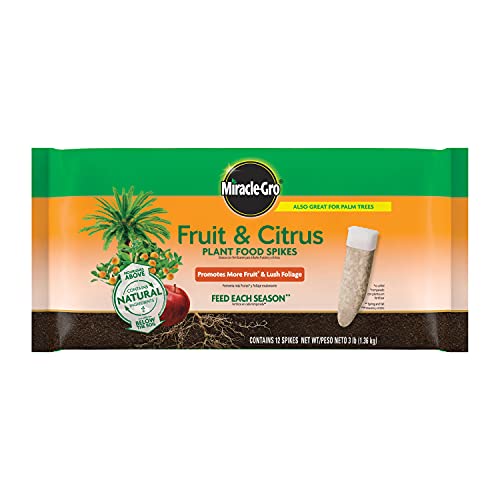
FORMULATED FOR CITRUS AND FRUIT TREES: Use these citrus fertilizer spikes on apple, orange, lemon, lime, and avocado trees; this formula is also great for feeding palm trees

Made for Lemon & Citrus Trees – Formulated to support healthy growth in lemon and citrus plants.

Quick, at home results for Soil pH, Nitrogen, Phosphorous and Potash Innovative and inexpensive soil test kit features an easy-to-use capsule system and patented color comparators
Tree Type
Different fruit trees have varying fertilization needs based on their species. For example, apple trees often thrive with early spring fertilization, while citrus trees benefit from multiple applications throughout the growing season. Identify the specific type of fruit tree you’re cultivating, as their nutrient requirements and growth patterns can differ significantly. Research each tree’s preferred fertilization schedule to apply nutrients when they’re most effective.
Soil Quality
Soil quality plays a crucial role in determining when to fertilize. If your soil is nutrient-poor or heavily compacted, fertilizing in early spring may provide a vital boost for young growth. Conduct a soil test to assess nutrient levels and pH balance. Adjust your fertilization timing according to the test results; for instance, sandy soils drain quickly and may require earlier fertilization compared to clay soils, which retain moisture. Improving soil structure through organic matter can also enhance nutrient retention, impacting fertilization strategies.
Best Times to Fertilize Fruit Trees
Fertilizing fruit trees at the right times enhances growth and fruit production. Understanding when to apply fertilizer can significantly impact your orchard’s success.
Spring Fertilization
Spring marks the beginning of the growing season. Fertilize your fruit trees in early spring, just as new growth begins. This timing ensures that the trees receive the nutrients required for proper development. Consider using a balanced fertilizer high in nitrogen, as it promotes healthy leaf growth. For example, applying a granular fertilizer around March provides essential nutrients for apple or pear trees.
Summer Fertilization
Summer fertilization can optimize tree health, especially for those still vigorous in growth. Apply fertilizer in late spring to early summer to support fruit development. Use a slow-release formula to feed trees consistently during hotter months. For instance, citrus trees benefit from nitrogen-rich fertilizers applied in June, boosting fruit size and quality.
Fall Fertilization
Fall fertilization prepares fruit trees for winter dormancy. Apply nutrients in early fall before the trees enter their rest period. This application supports root development and nutrient storage for the next growing season. Use a balanced fertilizer with lower nitrogen levels but higher phosphorus and potassium. For example, applying fertilizer in September can enhance the health of peach trees as they prepare for cooler temperatures.
By adhering to these fertilization timings, you ensure your fruit trees thrive throughout the year, leading to a bountiful harvest.
Common Fertilization Mistakes
Fertilizing fruit trees can significantly impact their growth and yield. Avoiding common mistakes ensures optimal tree health and productivity.
Recommended Products

Down to Earth Fruit Tree is a five pound box of all natural fertilizer with 6-2-4 formula and is listed by the Organic Materials Review Institute (OMRI) for use in organic production

Package contains 9 fruit and citrus fertilizer spikes and is produced to avoid wasteful runoff, mess, hazards and smells

🌿 Balanced 10-10-10 Granular Fertilizer for Outdoor & Indoor Plants: All-purpose plant food with 10% Nitrogen, 10% Phosphorus, and 10% Potassium. Perfect for outdoor vegetable gardens, fruit trees, evergreens, shrubs, lawns, and flowers. Also great for potted plants and indoor gardening. One solution for all your plant needs!
Over-fertilizing
Over-fertilizing is a frequent error that can harm fruit trees. Applying too much fertilizer can lead to nutrient imbalances, causing problems like excessive foliage growth and reduced fruit production. Signs of over-fertilization include yellowing leaves, burnt tips, or stunted growth.
To prevent this, follow label directions carefully. Start with a soil test to determine the nutrient needs of your trees. Use a balanced fertilizer designed for your specific type of tree and apply it in appropriate amounts. Remember, less is often more when it comes to fertilizing.
Timing Errors
Timing errors can derail your fertilization efforts. Fertilizing too early can stimulate new growth that’s vulnerable to frost. Fertilizing too late can lead to a lack of nutrients during critical growth phases.
Ensure you apply fertilizer during optimal times. For most fruit trees, early spring is ideal for stimulating growth. For late bloomers or trees needing more nutrients, late spring to early summer is best. Pay attention to your local climate and adjust your fertilization schedule as necessary. Consider using slow-release fertilizers to provide a steady nutrient supply without overwhelming young plants.
Conclusion
Fertilizing your fruit trees at the right times can make all the difference in their health and productivity. By paying attention to the specific needs of each tree type and the condition of your soil you can ensure a bountiful harvest. Remember to stick to the recommended fertilization periods in early spring late spring and early fall.
Avoid common pitfalls like over-fertilizing and always follow label directions. With a little care and attention your fruit trees will thrive and reward you with delicious fruits for years to come. Happy gardening!
Frequently Asked Questions
When is the best time to fertilize fruit trees?
The optimal times to fertilize fruit trees are early spring, late spring, and early fall. Early spring promotes new growth, late spring supports fruit development, and fall prepares trees for winter dormancy.
What types of fertilizers are recommended for fruit trees?
Granular, liquid, and organic fertilizers are suitable for fruit trees. A balanced fertilizer high in nitrogen is ideal for early spring, while slow-release formulas work well in late spring to early summer.
Why are soil tests important for fertilizing fruit trees?
Soil tests help determine the nutrient levels and soil quality, allowing you to adjust your fertilization strategy accordingly. They ensure you provide the right nutrients your trees need for healthy growth.
How can over-fertilizing affect fruit trees?
Over-fertilizing can lead to nutrient imbalances and excessive foliage growth, which may reduce fruit production. It’s important to follow label directions and fertilize in appropriate amounts to avoid these issues.
Do different fruit trees require different fertilization strategies?
Yes, different fruit trees have varying needs. For example, apple trees benefit from early spring fertilization, while citrus trees may need multiple applications throughout the growing season to produce optimal fruit.
