

Ever wondered what it takes to grow juicy, plump blackberries in your own backyard? Picture this: you step outside on a sunny morning, craving the sweet taste of freshly picked blackberries. But wait – are your blackberry bushes getting everything they need to thrive and produce those delectable fruits?
Key Takeaways
- Blackberries thrive in moderate climates with full sun exposure and well-draining, loamy soil.
- Select a sunny location in your garden for planting blackberry bushes, ensuring proper soil preparation and drainage.
- Provide consistent watering and mulching to maintain soil moisture and suppress weed growth around blackberry bushes.
- Proper pruning and training techniques are essential for promoting healthy growth and optimal fruit production.
- Be vigilant against common pests like aphids, spider mites, Japanese beetles, powdery mildew, and Botrytis fruit rot to protect your blackberry bushes.
Understanding the Basics of Blackberry Cultivation
To ensure successful blackberry cultivation, it’s essential to understand the key factors that contribute to their growth. Here’s what you need to know:
Climate Requirements for Optimal Growth
Blackberries thrive in moderate climates with well-defined seasons. They prefer full sun exposure but can tolerate partial shade. Ensure your blackberry bushes are exposed to at least 6-8 hours of sunlight daily for optimal growth.
Soil Types Best Suited for Blackberries
Well-draining, loamy soil with a slightly acidic pH level is ideal for growing blackberries. Avoid waterlogged or compacted soils as they can hinder root development and lead to poor plant health. Consider amending your soil with organic matter like compost to improve its structure and fertility for robust blackberry growth.
Preparing Your Garden for Blackberries
When preparing your garden for blackberries, it’s crucial to ensure that you set the right foundation for their growth. Here are some essential steps to consider:
Recommended Products

Accurate Soil pH Testing: Dewildetradingco Soil pH Test Strips offer measurements of soil pH levels (pH 3.5-9). As an essential tool for every gardener and grower, these test strips help determine the optimal pH for various plants, such as outdoor plants, indoor plants, gardens, grass lawns, fruit trees, flowers, vegetables, and forest shrubs.

PROFESSIONAL-GRADE ACCURACY: Engineered specifically for soil pH testing, delivering results quickly (in about 60 seconds). With a 3rd Generation, 3-pad ph tester strips design, our soil ph test kit ensures consistent, repeatable results for all your lawn, landscape and garden needs.

PREMIUM INGREDIENTS: This specifically crafted organic compost blend has a low pH premium formulation that is naturally lightweight and contains just the right ingredients ensuring healthy growth and beautiful results.
Selecting the Right Location
Choose a sunny spot in your garden that receives at least 6-8 hours of sunlight daily. Blackberries thrive in full sun, so make sure to select an area with ample light exposure. Avoid planting them in low-lying areas where water tends to accumulate, as blackberries prefer well-draining soil.
Soil Preparation Techniques
To prepare the soil for blackberry bushes, start by testing its pH level. Blackberries prefer slightly acidic soil, so if needed, amend the soil accordingly. Incorporate organic matter like compost or well-rotted manure into the soil to improve its structure and fertility.
Ensure that the soil is well-draining to prevent waterlogged conditions that can harm blackberry roots. Consider raised beds if your garden has heavy clay soil or poor drainage. By providing optimal growing conditions through proper soil preparation, you can set your blackberry bushes up for success.
By following these guidelines and taking care to select the right location with adequate sunlight and preparing the soil correctly, you can create an ideal environment for your blackberries to thrive in your garden.
Planting and Managing Blackberry Bushes
When planting blackberry bushes, it’s essential to follow best practices to ensure their successful growth and fruit production. Here are some key guidelines for planting and managing your blackberry bushes effectively:
Recommended Products
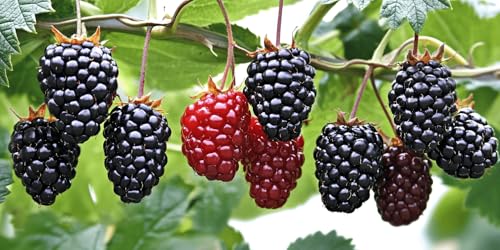
Sweet, Plump Berries from Your Own Garden- Grow 200+ non-GMO blackberry seeds into bushes that produce large, juicy berries bursting with natural sweetness—perfect for fresh eating, jams, and desserts, right from your backyard.

Sweet & Nutritious Berries:The berries have a sweet taste, rich in various vitamins, minerals such as calcium, iron and zinc, as well as amino acids and essential dietary fiber. They are suitable for fresh eating or making jams and desserts, meeting the needs of a healthy diet.

PRODUCE A BUSHEL OF BLACKBERRIES — Produce Huge Fresh Berry in the First Year of Planting
Best Practices for Planting
To plant blackberries successfully, start by selecting a sunny location in your garden that receives 6-8 hours of sunlight daily. Blackberry bushes thrive in full sun, which is crucial for their growth and fruit development. Ensure the soil is well-draining to prevent waterlogged conditions that can harm the plants.
When planting blackberry bushes, space them about 3-4 feet apart in rows to allow for proper air circulation and easy access for maintenance tasks like pruning and harvesting. Dig a hole slightly larger than the root ball of the plant and backfill it with amended soil rich in organic matter like compost.
After planting, water the blackberry bushes thoroughly to help them establish their roots in the new environment. Consider applying a layer of mulch around the base of the plants to retain moisture, suppress weed growth, and maintain even soil temperature.
Watering and Mulching Needs
Blackberry bushes require consistent watering, especially during dry periods or when they are flowering and fruiting. Keep the soil evenly moist but not waterlogged to prevent root rot. A good practice is to provide about 1-2 inches of water per week through rainfall or irrigation.
Mulching around blackberry bushes helps conserve soil moisture, regulate soil temperature, and reduce weed competition. Apply a 2-4 inch layer of organic mulch such as straw or wood chips around the base of the plants while keeping it away from direct contact with stems to prevent rotting.
Pruning and Training Blackberries
Proper pruning is essential for maintaining healthy blackberry bushes and promoting optimal fruit production. In late winter or early spring, prune out old canes that have already fruited to make room for new growth. Trim back lateral branches to encourage airflow within the bush.
Training blackberries involves supporting their canes as they grow to prevent them from sprawling on the ground. Install trellises or stakes near each plant to provide support for canes as they develop. Gently tie young canes to trellises using soft ties without constricting their growth.
Common Pests and Diseases
Blackberries, like any other plant, are susceptible to various pests and diseases that can hinder their growth and fruit production. Identifying these common threats early on is crucial for effectively managing your blackberry bushes.
Recommended Products

MULTI-PURPOSE BUG KILLER - Bonide Neem Oil is a perfect pest control solution for any garden dealing with mites, flies, mildew, and more. This product is a three-in-one fungicide, miticide, and insecticide.

3-in-1 FORMULA: Aphid spray for outdoor plants for use on roses, flowers, shrubs and trees to control listed insects, disease and mites
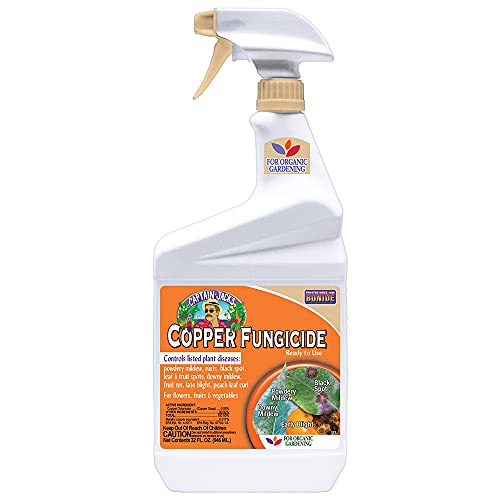
Control fungus and disease in your garden with Captain Jack’s ready-to-use Liquid Copper Fungicide!
Identifying Common Threats
- Aphids: These tiny insects feed on the sap of blackberry plants, causing leaves to curl and distort.
- Spider Mites: These pests suck plant juices, leading to stippled leaves and webbing on the undersides of leaves.
- Japanese Beetles: The adults skeletonize foliage by eating between leaf veins, while the larvae feed on roots.
- Powdery Mildew: A fungal disease that appears as white powdery spots on leaves, affecting photosynthesis.
- Botrytis Fruit Rot: This gray mold infects ripe berries during wet conditions, causing them to rot.
Preventive Measures and Treatments
To protect your blackberry bushes from these threats:
- Regularly inspect your plants for signs of pest infestation or disease development.
- Introduce beneficial insects like ladybugs or lacewings to control aphids naturally.
- Use a strong blast of water to dislodge spider mites from the foliage.
- Handpick Japanese beetles off plants or use pheromone traps for large infestations.
- Apply fungicides labeled for powdery mildew prevention following instructions carefully.
- Remove infected fruits promptly to prevent spread if Botrytis fruit rot is detected.
By staying vigilant and taking proactive measures against pests and diseases, you can ensure that your blackberries remain healthy and productive in your garden.
Conclusion
Growing blackberries can be a rewarding experience when you provide them with the care they need. By choosing a sunny spot, preparing the soil well, and following best planting practices, you set your blackberry bushes up for success. Keep an eye out for common pests and diseases like aphids, spider mites, and powdery mildew to ensure your plants stay healthy. Regular inspections and proactive measures such as introducing beneficial insects or using fungicides can help protect your blackberries. With proper attention and maintenance, you’ll enjoy bountiful harvests of delicious blackberries from your own backyard. Happy growing!
Frequently Asked Questions
How do I choose the right location for planting blackberries?
Select a sunny location with well-draining soil to plant blackberries successfully.
What are the best practices for planting blackberry bushes?
Plant blackberry bushes in rows, spacing them 3-4 feet apart within the row and leaving 8 feet between rows.
How can I prevent common pests like aphids and spider mites from damaging my blackberry bushes?
Regularly inspect plants for signs of pests, introduce beneficial insects like ladybugs, or use water blasts to dislodge pests.
What should I do if my blackberry bushes show symptoms of powdery mildew or Botrytis fruit rot?
Apply fungicides recommended for treating these diseases as soon as symptoms appear on your blackberry bushes.
