

Cherry trees thrive in Massachusetts, offering stunning spring blooms and delicious fruit. To successfully cultivate these trees, select the right varieties, understand local climate conditions, and implement effective care strategies.
Best Cherry Tree Varieties for Massachusetts
When selecting cherry trees for Massachusetts, it’s essential to consider varieties that thrive in the region’s climate and soil conditions. The following section highlights the best cherry tree options, focusing on their growth habits, fruit quality, and resilience to local pests and diseases, ensuring a fruitful harvest for both novice and experienced gardeners.
Choosing the correct cherry tree varieties is crucial for success in Massachusetts. The climate and soil conditions in New England favor specific types of cherry trees. Popular choices include:
Sweet Cherry: Ideal for fresh eating and requires a pollinator.
Sour Cherry: Better suited for baking and preserves, self-pollinating.
Ornamental Cherry: Primarily for aesthetics, with beautiful blooms.
Consider local microclimates when making your selection. Some areas may experience colder winters, which can affect the growth of sweet cherries.
Massachusetts Climate Effects on Cherry Trees
Massachusetts’ climate plays a crucial role in the growth and health of cherry trees, influencing everything from bloom timing to fruit quality. Understanding these climatic factors is essential for successful cultivation, as they determine the best practices for planting and care. This section explores how temperature, precipitation, and seasonal variations impact cherry tree development in the region.
Massachusetts experiences a range of climate conditions that can impact cherry tree growth. The average temperature and rainfall patterns play significant roles in tree health.
Winter Hardiness: Select varieties that can withstand temperatures as low as -20°F.
Frost Dates: Be aware of the last frost date in spring to avoid damage to blossoms.
Soil Type: Well-drained, loamy soil is ideal for cherry trees.
Monitoring local weather patterns can help you anticipate challenges.
Site Preparation for Cherry Trees
Preparing the right site for cherry trees in Massachusetts is crucial for their successful growth and fruit production. This section outlines essential steps to ensure optimal soil conditions, sunlight exposure, and drainage, all of which contribute to the health and vitality of these beautiful trees. Proper site preparation sets the foundation for a thriving cherry orchard in New England.
Proper site preparation is essential for establishing healthy cherry trees. Follow these steps to create the best environment for growth.
Choose a Sunny Location: Ensure at least six hours of sunlight daily.
Test Soil pH: Aim for a pH between 6.0 and 7.0 for optimal growth.
Amend Soil: Incorporate organic matter to improve drainage and nutrient content.
Cherry Tree Planting Best Practices
Planting cherry trees in Massachusetts requires careful attention to local conditions and best practices to ensure healthy growth and vibrant blooms. This section outlines essential guidelines for selecting the right varieties, preparing the soil, and providing the necessary care throughout the seasons. Implementing these strategies will help you cultivate thriving cherry trees that enhance your garden and contribute to the region’s natural beauty.
Planting cherry trees correctly sets the foundation for their success. Follow these guidelines:
Dig a Hole: Create a hole twice the width and the same depth as the root ball.
Place the Tree: Position the tree so that the graft union is above soil level.
Backfill with Soil: Gently pack the soil around the roots to eliminate air pockets.
Water the tree thoroughly after planting to help it settle.
Cherry Tree Care Techniques in Massachusetts
Caring for cherry trees in Massachusetts requires an understanding of the region’s unique climate and soil conditions. This section outlines effective techniques tailored to ensure healthy growth and vibrant blooms, focusing on pruning, watering, and pest management strategies that are particularly suited for New England’s environment. Implementing these practices will enhance the success of cherry tree cultivation in the area.
Regular care ensures cherry trees remain healthy and productive. Implement the following practices:
Watering: Provide deep watering during dry spells, especially in the first two years.
Fertilizing: Use a balanced fertilizer in early spring to promote growth.
Pruning: Remove dead or diseased branches annually to enhance air circulation.
Recommended Products

Control diseases and insects in your garden with Captain Jack’s Fruit Tree Spray Concentrate! Use on a variety of listed fruits, nuts and citrus plants.
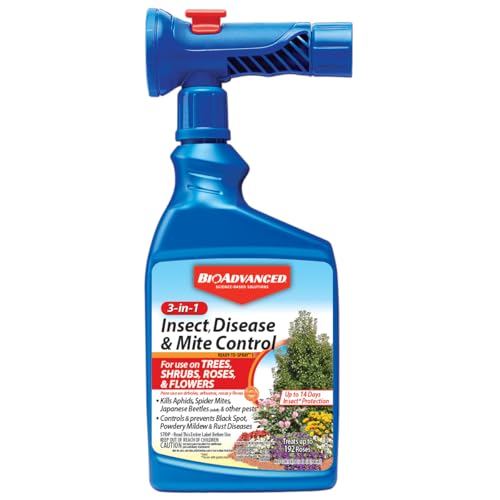
3-in-1 FORMULA: Aphid spray for outdoor plants for use on roses, flowers, shrubs and trees to control listed insects, disease and mites

INSECT KILLER: Army worm killer. Also kills insects such as Aphids, Spider Mites, Japanese Beetles, Caterpillars, and other listed insects
Pest and Disease Control Strategies
Effective pest and disease control is essential for maintaining the health and productivity of cherry trees in Massachusetts. This section outlines practical strategies and methods to manage common threats, ensuring that growers can protect their crops while promoting sustainable practices. By understanding these challenges and solutions, cultivators can enhance their success in New England’s unique climate.
Cherry trees are susceptible to various pests and diseases. Knowing how to manage these issues is vital.
Common Pests: Aphids and cherry fruit flies can damage fruit.
Diseases: Fungal infections like brown rot require timely intervention.
Regular inspections can help catch problems early.
Cherry Fruit Harvest Timing Tips
Understanding the optimal timing for harvesting cherry fruit is crucial for maximizing yield and quality in Massachusetts. This section provides practical tips based on local climate conditions and cherry varieties, ensuring that growers can effectively plan their harvest for the best results. By following these guidelines, you can enjoy a successful cherry season in New England.
Timing your harvest is essential for maximizing fruit quality. Follow these tips for successful harvesting:
Check Color: Sweet cherries should be fully colored and firm.
Taste Test: For sour cherries, ensure they have reached their peak flavor.
Use Care: Gently twist the fruit to avoid damage to the tree.
Cherry Storage and Preservation Methods
Proper storage and preservation methods are essential for maintaining the quality and flavor of cherries harvested in Massachusetts. This section explores various techniques to extend the shelf life of these fruits, ensuring that their vibrant taste and nutritional value are preserved for enjoyment long after the harvest season. Understanding these methods can help both consumers and producers maximize their cherry yields.
Proper storage extends the life of harvested cherries. Consider these methods:
Refrigeration: Store cherries in a cool, dry place.
Freezing: Wash and pit cherries before freezing for long-term storage.
Canning: Prepare preserves or jams for year-round enjoyment.
| Cherry Variety | Best Use | Pollination Needs | Harvest Time |
|---|---|---|---|
| Sweet Cherry | Fresh Eating | Requires Pollinator | Late June |
| Sour Cherry | Baking | Self-Pollinating | Early July |
| Ornamental Cherry | Landscaping | N/A | N/A |
Understanding these aspects of cherry tree cultivation in Massachusetts can significantly enhance your gardening success. Regular attention to local conditions, proper care, and timely harvesting will yield a fruitful cherry tree experience.
