

Do you ever wonder when the best time is to prune your fruit trees? You’re not alone. Many gardeners face this dilemma, unsure whether to tackle the task in winter or wait until spring. Pruning at the right time can make all the difference in your tree’s health and fruit production.
Imagine standing in your yard, surrounded by lush greenery, but your fruit trees aren’t thriving as they should. By understanding the optimal pruning times, you can encourage better growth and a more bountiful harvest. This article will guide you through the best practices for pruning your fruit trees, helping you nurture them for years to come.
Key Takeaways
- Optimal Pruning Times: Pruning fruit trees during winter (dormant season) promotes stronger growth, while summer pruning maintains shape and encourages fruit development.
- Health and Productivity: Regular pruning enhances tree health, boosts fruit production, and reduces the risk of pests and diseases by removing weak or overcrowded branches.
- Improved Air Circulation: Properly pruned trees experience better air circulation, decreasing humidity and lowering the chance of fungal infections.
- Quality Fruit Yield: Thinning branches allows remaining fruit to receive more sunlight and nutrients, resulting in larger and tastier produce.
- Simplified Harvesting: Maintaining a well-pruned tree structure allows for easier and safer harvesting, ensuring fruit is picked at peak flavor.
- Effective Techniques: Utilizing the right tools and techniques, such as thinning, heading back, and angle cuts, ensures efficient pruning and promotes overall tree vitality.
Importance Of Pruning Fruit Trees
Pruning fruit trees plays a vital role in their overall health and productivity. You enhance the tree’s structure and promote better air circulation by removing dead or diseased branches. Healthy trees yield more fruit and resist pests and diseases.
Encouraging Growth and Development
Pruning stimulates new growth by removing older or overcrowded branches. This process allows sunlight to reach the inner parts of the tree, promoting an even distribution of nutrients. As a result, healthier fruit appears on well-pruned trees.
Increasing Fruit Quality and Quantity
Pruning directly impacts fruit quality and quantity. When you thin out branches, the remaining fruit receives more sunlight and resources. This increase in nourishment leads to larger and tastier fruit.
Enhancing Air Circulation
Proper pruning improves air circulation within the tree canopy. Improved airflow reduces humidity levels, which decreases the chance of fungal diseases. Healthy air circulation contributes to a robust growing environment.
Simplifying Harvesting
Pruned trees feature manageable shapes, making harvesting easier and safer. You can access fruit more readily without the hassle of reaching through dense foliage. Efficient harvesting ensures you gather the fruit at the right time for optimal flavor.
Maintaining Tree Health
Regular pruning reduces the likelihood of pests taking hold. By cutting back diseased or damaged limbs, you minimize entry points for insects and diseases. A well-maintained tree remains healthy and productive for years.
Timing Your Pruning
Pruning fruit trees at the right time boosts their health and productivity. Knowing when to prune can lead to better growth and fruit yields.
Recommended Products
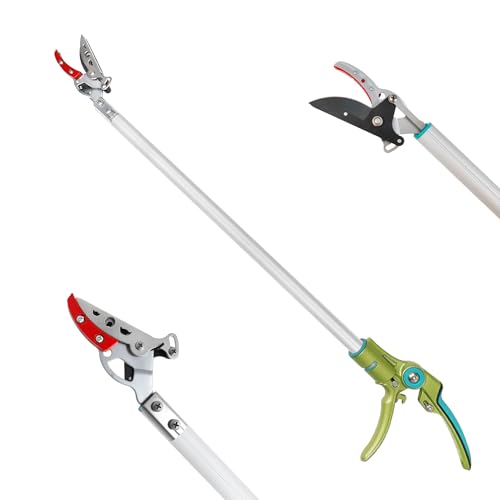
[REACH HIGH & STAY SAFE](No Ladder Required) Say goodbye to wobbly ladders! This 32inch long reach pole pruner offers an extra 30 inches of safe reach, allowing you to prune high branches or tall fruit trees while standing firmly on the ground. It’s the perfect extension tool for maintaining your backyard without the risk of falling.


UPGRAFE PROFESSIONAL GARDENING GRAFTING TOOLS: Professional grafting set, including 2 in 1 grafting pruning tools, 3 replaceable blades, a grafting knife, a pruning shears, a screwdriver, a wrench, 3 grafting films, and 45 colorful tag cards
Winter Pruning
Winter pruning occurs when trees are dormant, typically between late October and March. This timing promotes stronger new growth in spring. During this period, focus on removing dead, damaged, or crossing branches. Use sharp, clean tools for precise cuts to minimize damage to the tree. Aim to prune about 20-30% of the tree’s overall growth. In addition, winter pruning allows better access to the tree’s structure, ensuring balanced sunlight exposure once growth begins.
Summer Pruning
Summer pruning typically takes place from June to August. This technique involves light pruning to control tree size and shape. Trim small and excess branches, encouraging energy to concentrate on fruit development. Remove suckers and water sprouts, as these can divert resources away from fruit production. Summer pruning promotes a well-structured canopy, improving air circulation and sunlight access. Aim for about 10-15% pruning during this time. Proper summer pruning can lead to larger, healthier fruit by allowing the tree to dedicate more energy to existing fruit rather than excess foliage.
Signs Your Trees Need Pruning
Recognizing when your fruit trees need pruning is crucial for their health and productivity. Here are some key indicators to look for:
Recommended Products

★ 1. What you get: Professional convenient grafting tool set including a dual-use grafting pruner tool contain 2 extra replaceable blades, a wrench and a screwdriver, along with 36pcs wide rubber bands, 150 thick rubber bands and 1 grafting tape, packed in a black wallet to meet all your needs

Package Includes: Contents 1 Manual gardening grafting cutter and 2 rolls of 2 sizes of grafting tape, meeting your needs.

Overgrowth and Density
Look for overgrown areas where branches are crowded together. Dense growth limits sunlight and air circulation, which can hinder fruit development. If branches rub against each other, they might break or cause wounds, making the tree susceptible to disease. Aim to maintain a balanced structure by pruning away excess growth, ensuring all branches receive sufficient light.
Poor Fruit Production
Notice a decrease in fruit yield compared to previous years? This decline may indicate your trees require pruning. Unpruned trees focus their energy on excessive foliage rather than fruit production. By removing non-productive branches, you redirect the tree’s energy toward growing fruit. If your fruit trees produce small or misshapen fruit, it’s a sign that pruning could enhance overall fruit quality.
Techniques For Effective Pruning
Pruning effectively requires the right tools and techniques. Following these guidelines ensures healthier and more productive fruit trees.
Recommended Products

【Multi-purpose Tree Pruner】The telescopic pole pruner has a shearing function and can be used for picking fruit and trimming high branches. The sharp blade of the fruit picking rod can easily cut branches up to 1/2 inch in diameter, and the included serrated saw blade uses double-sided cutting technology, making it easy to cut through thicker tree trunks. Its versatile design makes it an indispensable tool for gardening.

10FT POLE TREE PRUNER WITH SAW FUNCTION: Designed primarily for high branch trimming with pull-rope pruning shears, while the integrated saw provides an additional cutting option when needed. This manual tree pruner combines pruning and sawing functions in one long-reach tool for routine tree care in yards, gardens, and orchards.

TONYINGO All-in-One Pole Saw, Tree Trimmer & Pruner for High Branches: Our extendable manual pole saw functions as a complete branch cutter, tree trimmer, and pruner in one tool. The 5–20 FT adjustable pole reaches up to 26 FT overhead, letting you safely trim tall branches without climbing ladders
Tools You Will Need
- Pruning Shears: Use these for small branches and delicate cuts. Ensure they’re sharp for clean, precise cuts.
- Loppers: Choose loppers for thicker branches, typically up to 2 inches in diameter. They offer more leverage, making cuts easier.
- Hand Saw: Select a hand saw for larger branches. A pruning saw specifically designed for this work is ideal.
- Pole Pruner: Consider a pole pruner for hard-to-reach branches. This tool extends your reach, making it safer to prune high trees.
- Gloves: Wear sturdy gloves to protect your hands from thorns and cuts. Comfort is key during extended pruning sessions.
- Disinfectant: Keep disinfectant handy to clean your tools between cuts. This practice prevents the spread of diseases.
- Thinning: Remove entire branches selectively to improve sunlight penetration and air circulation. Thinning encourages better fruit development and reduces disease risk.
- Heading Back: Cut back a portion of branches to foster new growth. Shortening branches promotes bushier tree shapes, making them easier to manage.
- Crown Reduction: Reduce the overall height of the tree for easier access. Cut back the tallest branches while maintaining a natural shape.
- Removal of Dead/Diseased Wood: Identify and remove any dead, damaged, or diseased branches. This action promotes overall tree health and enhances fruit yield.
- Angle Cuts: Make cuts at a 45-degree angle, just above a bud. This cut prevents water accumulation, reducing rot risk.
- Pruning for Shape: Regularly prune to shape the tree. Maintain a balanced structure that allows sunlight to penetrate evenly across the canopy.
By combining the right tools and pruning techniques, you enhance the vitality of your fruit trees, ensuring a bountiful harvest each season.
Conclusion
Pruning your fruit trees at the right time can make all the difference in their health and productivity. By following the guidelines for winter and summer pruning and recognizing the signs that your trees need attention, you can ensure they thrive year after year.
Remember to use the proper tools and techniques to keep your trees in shape. With a little care and attention you’ll enjoy a bountiful harvest of delicious fruit. So grab those pruners and give your trees the love they deserve, and watch them flourish!
Frequently Asked Questions
When is the best time to prune fruit trees?
Pruning fruit trees is best done in winter while the trees are dormant, typically between late October and March. This timing encourages stronger growth in spring. Summer pruning, from June to August, is also effective for controlling size and promoting fruit development.
Why is pruning important for fruit trees?
Pruning enhances the health and productivity of fruit trees by removing dead or diseased branches, improving air circulation, and promoting sunlight access. This helps the trees grow better and yield more fruit, while also reducing the risk of pests and diseases.
How much should I prune my fruit trees?
During winter pruning, you should aim to remove about 20-30% of the tree’s overall growth. In summer, limit pruning to about 10-15%. This balance helps maintain tree health while encouraging fruit production.
What signs indicate my fruit trees need pruning?
Look for signs of overgrowth or density, where crowded branches limit sunlight and air circulation. Additionally, poor fruit production may indicate that the tree’s energy is focused too much on foliage, signaling a need for pruning.
What tools do I need for effective pruning?
Essential tools include pruning shears for small branches, loppers for thicker ones, hand saws for larger cuts, and pole pruners for high branches. Wearing gloves and disinfecting your tools between cuts is also recommended to prevent disease spread.
What techniques should I use when pruning?
Effective pruning techniques include thinning to improve light penetration, heading back to encourage new growth, and crown reduction for easier access. Remove dead or diseased wood and make angled cuts to prevent water accumulation. Regular shaping promotes balanced growth.
