

Have you ever looked at your fruit trees in spring and wondered if it’s the right time to trim them? You’re not alone. Many gardeners face this dilemma as they want to ensure healthy growth and a bountiful harvest.
Key Takeaways
- Timing Matters: Spring is a suitable time for trimming, but it’s crucial to consider the type of tree; trim stone fruits like cherries and peaches in late winter to early spring, while pome fruits like apples and pears should be pruned before new growth starts.
- Health Benefits: Trimming in spring stimulates growth, enhances fruit quality, and helps control tree size, resulting in healthier trees and improved yields.
- Effective Techniques: Use sharp tools such as shears and loppers; implement proper pruning techniques like thinning cuts and shaping to ensure clean cuts and promote better growth.
- Avoid Common Mistakes: Be cautious of over-pruning, as this can stress the tree; always assess tree health before trimming to tailor care appropriately.
- Post-Trimming Care: After pruning, ensure your trees are well-watered and apply mulch to retain moisture, aiding in recovery and growth.
- Monitor Weather Conditions: Keep an eye on local weather forecasts to avoid trimming during frost risks or wet soil conditions, which can stress trees and hinder recovery.
Overview of Fruit Tree Trimming
Trimming fruit trees in spring can play a vital role in their growth and productivity. Understanding the key aspects of this practice helps ensure healthy trees and a fruitful harvest.
Timing of Trimming
Spring offers a window for trimming fruit trees, but timing varies based on the tree type. Consider these guidelines:
- Stone Fruits: For trees like cherries and peaches, trim in late winter to early spring. This timing encourages stronger growth.
- Pome Fruits: Apply trimming for apples and pears in late winter or early spring, before new growth begins.
Benefits of Spring Trimming
Trimming in spring fosters several benefits:
- Stimulates Growth: Removing dead or overcrowded branches encourages new growth.
- Enhances Fruit Quality: Proper trimming leads to better air circulation, promoting healthier fruit.
- Controls Size: Trimming maintains a manageable tree size, making harvest easier.
Techniques for Effective Trimming
Enhance your trimming skills with these techniques:
- Cutting Tools: Use sharp shears or pruners for clean cuts. This helps prevent disease.
- Pruning Techniques:
- Thin Out: Remove branches that are too close together to improve sunlight penetration.
- Shape the Tree: Aim for a balanced shape to support fruit production.
Common Mistakes to Avoid
Certain mistakes can hinder the success of your trimming efforts. Avoid these:
- Over-Pruning: Removing too many branches can stress the tree. Trim selectively.
- Ignoring Tree Health: Always assess the tree’s health before trimming. Sick trees may require different care.
Post-Trimming Care
After trimming, give your trees some attention:
- Watering: Ensure your trees receive ample water to support recovery.
- Mulching: Apply mulch around the base to retain moisture and suppress weeds.
By mastering the timing, benefits, and techniques of fruit tree trimming in spring, you’ll set your trees up for optimal growth and fruit production.
Best Times to Trim Fruit Trees
Timing plays a critical role in the success of trimming fruit trees. Knowing when to prune can significantly influence the health and productivity of your trees.
Recommended Products
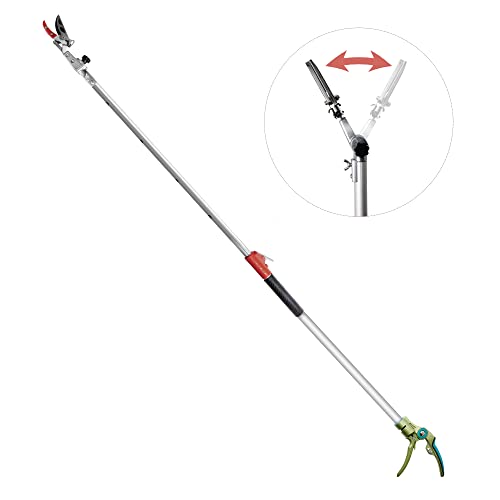
[Helpful Garden Tool] GARTOL brings to you a lightweight and extendable pruning tool to reach out to the least approachable arenas of your garden. You can conveniently get across other plants to remove the fastgrowing brambles and sting nettles without getting scratched or hurt. For gardening lovers, the telescopic pruner cutter head can can be rotated which resolves mobility issues and gives you the pleasure of trimming your garden without bending down or using a ladder to climb and cut them.

[Cut & Hold Pole Pruner for Tree Trimming] This long reach cut and hold pruner makes it easy to grip and remove branches, flowers, or fruit without dropping them. Perfect as a pole fruit picker for harvesting lemons, oranges, apples, or persimmons, and for trimming shrubs and bushes without climbing a ladder.

Spring Trimming Benefits
Trimming in spring can stimulate growth and enhance fruit quality. This season often encourages trees to produce vigorous new shoots, which can lead to better fruit yields. Pruning during this time encourages airflow among the branches, which reduces the risk of fungal infections. Additionally, spring trimming allows you to assess the tree’s structure and make necessary adjustments before the growing season.
Risks of Spring Trimming
Despite its benefits, spring trimming comes with some risks. For example, pruning too late in spring can expose new cuts to damage from frost or pest infestation. Additionally, excessive trimming may stress the tree, leading to reduced fruit production. Trees that haven’t fully leafed out are also more susceptible to sunburn. Balancing pruning techniques and timing is essential to avoid these pitfalls.
Factors to Consider Before Trimming
Several factors influence the decision to trim fruit trees in spring. Evaluating tree types and current weather conditions proves crucial for achieving the best results.
Recommended Products

· ULTRA-SHARP SK5 STAINLESS STEEL - Engineered with premium SK5 stainless steel, these heavy duty pruning shears deliver razor-sharp precision and maximum hardness. The rust-resistant blades are designed to stay sharp longer, effortlessly resisting corrosion and sap buildup for smooth, friction-free garden shears performance year after year.
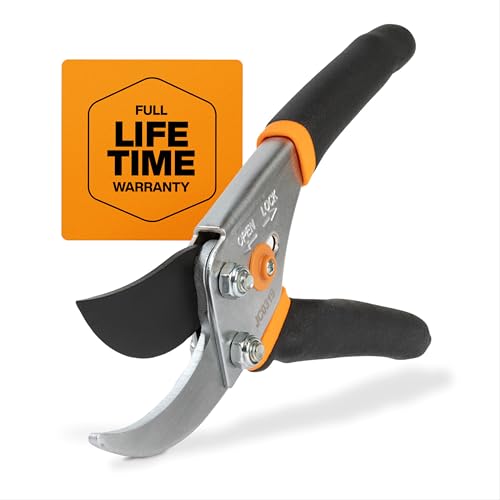
CLEAN CUTS FOR LIVE GROWTH: Bypass blade design is ideal for pruning delicate flower stems and green growth, helping reduce crushing and plant damage while cutting stems and small branches up to 5/8” in diameter

DUAL CUTTING POWER: VERSATILE PRUNING COMBO --- With both Pruning Shears and Pruning Snip, this combo delivers unmatched versatility. Whether you're delicately trimming flowers and shrubs, tackling thicker tree branches, or tending to your vegetable and fruit garden, our combo pack excels in all areas. They're also perfect for landscaping projects and maintaining the health and appearance of indoor plants. With this pack, you have a versatile tool that simplifies your gardening tasks.
Tree Type Considerations
Different fruit tree types require distinct trimming approaches in spring.
- Stone Fruits: Trees like cherries and peaches benefit from pruning in late winter. Trimming these trees too late may lead to sap loss and reduced vigor.
- Pome Fruits: Apples and pears can be pruned in spring, before new growth emerges. This trimming enhances airflow and light penetration, supporting healthy fruit development.
- Young Trees: Saplings may require formative pruning in spring to establish a strong structure. This encourages sturdier growth patterns.
Understanding your tree type helps determine the ideal trimming time and technique.
Weather Conditions
Weather plays a significant role in the timing and effectiveness of trimming.
- Frost Risks: Late spring frosts can damage newly cut branches. Assess local weather forecasts to avoid post-trimming frost events.
- Soil Conditions: Wet soil makes trees more susceptible to stress. Ensure the ground is adequately dry before beginning your trims to prevent damage.
- Temperature Stability: Favorably, stable temperatures lead to less stress for the tree. Aim for trimming days with consistent, mild weather to promote recovery.
Monitoring weather patterns helps you choose the right time for trimming, maximizing the benefits for your fruit trees.
Recommended Trimming Techniques
Effective trimming promotes strong growth and fruit production. Utilizing proper tools and techniques ensures your fruit trees remain healthy and productive.
Recommended Products

IDEAL BRANCH TRIMMER: 28" Steel blade garden bypass lopper that glides through up to 1.5" thick branches for easy cuts; Works well for trimming tree branches to maintain your yard and garden, and to encourage overall plant health and appearance

【Multi-purpose Tree Pruner】The telescopic pole pruner has a shearing function and can be used for picking fruit and trimming high branches. The sharp blade of the fruit picking rod can easily cut branches up to 1/2 inch in diameter, and the included serrated saw blade uses double-sided cutting technology, making it easy to cut through thicker tree trunks. Its versatile design makes it an indispensable tool for gardening.

IDEAL BRANCH TRIMMER: Tree pruner that extends from 7.9 to 12 feet; Lightweight aluminum pole weighing less than five pounds to help minimize fatigue; Ideal for cutting high branches, or making low cuts without bending or kneeling
Proper Tools for Trimming
Using the right tools makes a significant difference in your trimming efforts. Equip yourself with these essential items:
- Pruning Shears: Ideal for small branches up to ¾ inch in diameter. These offer precision cuts and are easy to maneuver.
- Loppers: Use these for branches thicker than ¾ inch but less than 2 inches. They provide greater leverage than shears.
- Saw: A hand saw or pruning saw works best for branches over 2 inches. Opt for a sharp blade to ensure clean cuts.
- Gloves: Protect your hands from sap and thorns by wearing durable gardening gloves.
- Tar Tape: Apply tar tape on larger cuts to prevent diseases and sap loss.
Regularly maintain your tools by cleaning and sharpening them. Clean tools help prevent the spread of disease among trees.
Techniques for Healthy Growth
Implementing specific pruning techniques improves the overall health of your fruit trees. Focus on these approaches:
- Thinning Cuts: Remove whole branches at their point of origin. This method allows light and air to penetrate the canopy, fostering better growth.
- Heading Cuts: Shorten branches by cutting them back to a bud. This encourages new growth and creates a fuller tree.
- Training Young Trees: Shape young trees by developing a central leader and removing competing stems. This establishes a strong foundation for future growth.
- Removing Dead or Diseased Wood: Identify and remove any dead, diseased, or damaged branches. This practice prevents the spread of disease and encourages healthy regrowth.
Employ these techniques during spring trimming to maximize growth potential while minimizing risks associated with timing and over-pruning.
Conclusion
Trimming your fruit trees in spring can be a rewarding endeavor when done correctly. By paying attention to the specific needs of your trees and the weather conditions, you can encourage healthy growth and a bountiful harvest. Remember to use the right tools and techniques to ensure your trees thrive.
Keep an eye on potential risks like frost damage and over-pruning. With a little care and attention, your spring trimming can set the stage for a fruitful season ahead. Enjoy the process and watch your trees flourish!
Frequently Asked Questions
When should I trim my stone fruit trees?
Trimming stone fruit trees, like cherries and peaches, is best done in late winter to early spring. This timing encourages healthy growth and maximizes fruit production without risking frost damage to new cuts.
Can I prune pome fruits in spring?
Yes, pome fruits such as apples and pears should be pruned before new growth starts in spring. This helps enhance airflow, improves light penetration, and supports overall tree health and fruit yield.
What are the benefits of spring trimming my fruit trees?
Spring trimming stimulates growth, enhances fruit quality, and helps control the tree’s size. Proper timing and techniques lead to vigorous shoots and higher fruit yields while promoting good airflow to reduce fungal infections.
What common mistakes should I avoid when pruning?
Avoid over-pruning, as this can stress the tree and reduce yields. Neglecting tree health or failing to make proper cuts can lead to disease and damage. Always prioritize balanced trimming techniques.
How can weather conditions affect the timing of pruning?
Weather conditions, such as frost risks and soil moisture, significantly influence the best pruning times. Monitoring temperatures and stabilizing soil moisture ensures you avoid stress and maximize benefits during spring pruning.
What tools do I need for effective trimming?
Essential tools include sharp pruning shears, loppers, and saws. Using gloves and tar tape for larger cuts is recommended. Regular maintenance of these tools is crucial for preventing disease spread among trees.
What are some effective pruning techniques?
Effective techniques include thinning cuts to improve light exposure, heading cuts to promote new growth, and shaping young trees for a strong structure. Always remove dead or diseased wood to foster healthy growth.
Is there a risk of frost damage when pruning in spring?
Yes, spring pruning can increase the risk of frost damage to new cuts. It’s important to monitor weather forecasts for potential frost threats after pruning to minimize this risk and protect your trees.
