

Guava trees thrive in specific climates, soil, sunlight, and water conditions, but their ideal growing locations are also important.
Understanding where these tropical trees flourish is key to cultivating them successfully.
In this article, we'll explore essential tips for growing guava trees to help you unleash their full potential.
Key Takeaways
- Guava trees thrive in warm, tropical climates with consistent temperatures between 25 to 32 degrees Celsius.
- They require ample sunlight, ideally at least 6 to 8 hours of direct sunlight daily.
- Guava trees flourish in areas with high humidity (around 60-70%).
- Guava trees prefer regions with moderate rainfall and well-drained, fertile soil.
Ideal Climate Conditions
To ensure optimal growth, guava trees thrive in warm, tropical climates with consistent temperatures and ample sunlight. The ideal temperature range for guava trees is between 25 to 32 degrees Celsius, with minimal fluctuations.
Precipitation levels should be around 40 to 50 inches annually, evenly distributed throughout the year. Guava trees flourish in areas with high humidity, around 60-70%, which aids in their fruit production.
Additionally, they require protection from strong winds, as they can damage the delicate branches and leaves. In regions that experience strong winds, creating windbreaks or suitable shelter is crucial for the health of the guava trees.
Understanding and providing these ideal climate conditions is fundamental for the successful cultivation of guava trees, ensuring a bountiful harvest of delicious, nutritious fruits.
Soil Requirements
After understanding the ideal climate conditions for guava trees, it's essential to consider the specific soil requirements that will support their growth and fruit production.
To ensure optimal growth, guava trees have specific soil needs:
- Fertilizer needs, pH levels: Guava trees thrive in well-draining soil with a pH range of 4.5 to 7.0. Regular fertilization with a balanced fertilizer high in nitrogen, phosphorus, and potassium is essential for healthy growth and fruit production.
- Root depth, drainage requirements: Guava trees have shallow, spreading root systems, requiring well-drained soil to prevent waterlogging. The soil should allow water to percolate easily to prevent root rot.
Understanding and meeting these soil requirements will ensure that your guava trees have the best possible conditions for growth, leading to healthy trees and abundant fruit production.
Sunlight and Water Needs
With its sunlight and water needs being crucial to its growth, a guava tree requires careful attention to ensure optimal conditions for thriving. Guava trees thrive in full sunlight, ideally receiving at least 6 to 8 hours of direct sunlight daily. Adequate sunlight ensures proper fruit development and overall tree health.
When it comes to watering, guava trees prefer a consistent watering schedule. During the growing season, which is typically spring and summer, water the tree deeply once a week. In hotter climates or during periods of drought, additional watering may be necessary to maintain soil moisture. In contrast, during the dormant season in winter, reduce the watering frequency, allowing the soil to dry out slightly between waterings.
Recommended Products

USDA Hardiness Zones: 9 to 11

Live pink guava plant, well rooted, about 9 to 11 inches tall
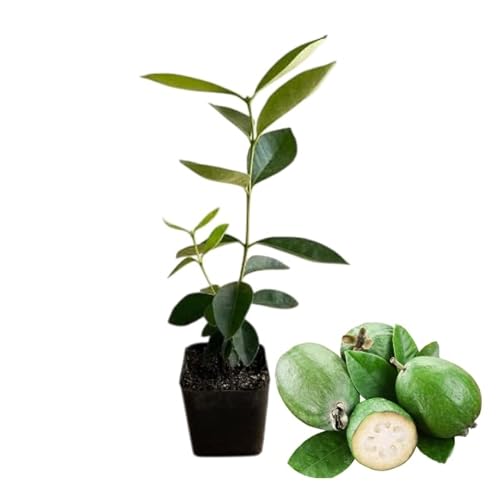
Pineapple guava trees require lots of full sun to thrive—at least eight hours per day
Geographic Locations
If you're considering growing a guava tree, it's essential to understand the geographic locations where this fruit tree thrives best. The guava tree thrives in specific geographic locations, making it essential to consider this when planning for cultivation.
Here's where guava trees grow best:
- Tropical Regions: Guava trees flourish in tropical and subtropical climates with high humidity and warm temperatures.
- Limited Frost: They thrive in areas with minimal frost, as they're sensitive to cold temperatures.
- Moderate Rainfall: Guava trees prefer regions with moderate rainfall, as excessive water can lead to root rot.
- Well-Drained Soil: They grow best in well-drained, fertile soil, and can tolerate a wide range of soil types.
Understanding these geographic requirements is crucial for successful guava tree cultivation.
Growing Tips
For successful cultivation of guava trees, regularly monitor the soil moisture and provide adequate watering to maintain optimal growing conditions. Guava trees thrive in well-draining soil and require consistent moisture, especially during the fruit development stage.
Pruning techniques are essential for promoting a strong tree structure and improving air circulation, which aids in preventing diseases. Begin by removing dead or diseased branches and then shape the tree to encourage outward growth.
Additionally, implementing pest control measures is crucial to safeguard the tree from common pests such as fruit flies and scale insects. Regularly inspect the leaves and fruits for any signs of infestation, and consider using organic pesticides if necessary.
Conclusion
In the right tropical or subtropical climate with well-drained soil and ample sunlight, guava trees can thrive with regular watering. Consider their natural habitat when choosing a location.
With proper care, you can enjoy the delicious fruits from your own tree.
Happy gardening!
