

Have you ever wondered if you can prune your fruit trees in the fall? Many gardeners face this dilemma as the cooler months approach. You might be looking at your trees, thinking they need a little TLC before winter sets in.
Pruning at the right time can make a big difference in the health and productivity of your trees. This article will guide you through the ins and outs of fall pruning, helping you decide if it’s the right choice for your fruit trees. You’ll learn the benefits and potential risks, so you can make an informed decision for your garden.
Key Takeaways
- Pruning Timing: Fall pruning can be beneficial for fruit trees, but it is best to prune early in the season, ideally before the first frost, to minimize risks associated with dormant trees.
- Benefits of Fall Pruning: It can enhance tree health by removing dead or diseased branches, improve airflow and sunlight penetration, and stimulate larger fruit production in the following season.
- Pruning Techniques: Focus on removing dead or damaged wood first, use sharp tools for clean cuts, and avoid removing more than 25% of the tree’s foliage to prevent stress.
- Risks of Fall Pruning: Weather unpredictability can expose fresh cuts to damage from frost, and pruning may encourage new growth that is vulnerable to winter conditions, potentially harming the tree.
- Best Practices: Utilize appropriate tools (pruning shears, loppers, and saws) and apply techniques like angled cuts for drainage to ensure effective pruning while minimizing stress on the tree.
- Stone Fruit Considerations: Avoid heavy pruning of stone fruit trees like peaches and cherries in the fall; reserve this for winter or early spring when they are completely dormant.
Understanding Fruit Tree Pruning
Pruning fruit trees influences their health and productivity. Proper timing plays a crucial role in this process.
Recommended Products

IDEAL BRANCH TRIMMER: 28" Steel blade garden bypass lopper that glides through up to 1.5" thick branches for easy cuts; Works well for trimming tree branches to maintain your yard and garden, and to encourage overall plant health and appearance
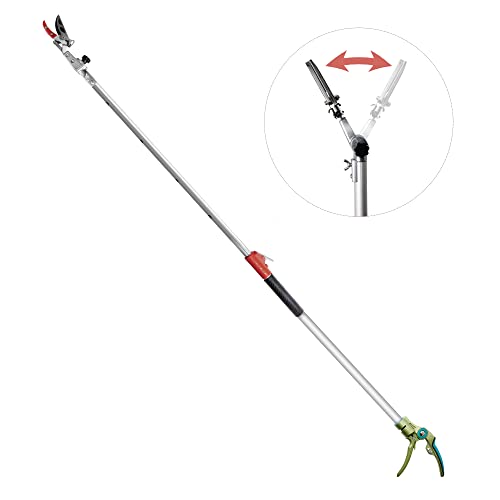
[Helpful Garden Tool] GARTOL brings to you a lightweight and extendable pruning tool to reach out to the least approachable arenas of your garden. You can conveniently get across other plants to remove the fastgrowing brambles and sting nettles without getting scratched or hurt. For gardening lovers, the telescopic pruner cutter head can can be rotated which resolves mobility issues and gives you the pleasure of trimming your garden without bending down or using a ladder to climb and cut them.

[Cut & Hold Pole Pruner for Tree Trimming] This long reach cut and hold pruner makes it easy to grip and remove branches, flowers, or fruit without dropping them. Perfect as a pole fruit picker for harvesting lemons, oranges, apples, or persimmons, and for trimming shrubs and bushes without climbing a ladder.
Why Prune Fruit Trees?
- Encourage Growth: Pruning helps stimulate new growth. It directs the tree’s energy to healthier branches and fruit production.
- Improve Airflow: Proper pruning opens up the canopy. Enhanced airflow helps reduce the risk of disease and improves sunlight exposure.
- Shape and Structure: Regular pruning maintains the tree’s shape. A well-structured tree is easier to manage and harvest.
When to Prune
- Dormant Season: Late winter, before buds break, is optimal for most fruit trees. This timing minimizes stress and allows for vigorous growth in spring.
- Fall Considerations: Pruning in fall can be risky. Trees are preparing for dormancy. Cuts made too late in the season may expose the tree to cold damage.
Types of Pruning Cuts
- Thinning Cuts: These remove entire branches from their point of origin. Thinning enhances airflow and light penetration.
- Heading Cuts: These shorten branches, promoting bushier growth. Heading encourages lateral shoots that can bear more fruit.
Tools for Pruning
- Pruning Shears: Use these for small branches. Sharp blades make clean cuts, reducing the risk of disease.
- Loppers: Ideal for medium branches, providing leverage and reach. Loppers allow for easier cuts without straining.
- Pruning Saw: Essential for larger branches. A saw cuts through thicker wood more efficiently.
Pruning Techniques
- Start with Dead or Diseased Wood: Remove any dead, broken, or diseased branches first. This helps the tree focus energy on healthy areas.
- Cut at an Angle: Angle cuts encourage water runoff. This reduces rot and promotes healing.
- Avoid Over-Pruning: Aim to prune no more than 25% of the tree’s total foliage. Over-pruning can lead to stress and reduced fruit yield.
- Can You Prune Apple Trees in Fall? Yes, lightly prune apple trees in fall if necessary. Focus on removing dead or damaged branches.
- What About Stone Fruit Trees? Generally, avoid fall pruning for peach and cherry trees. They benefit more from winter or early spring pruning.
Understanding these aspects can make fall pruning a productive endeavor. Apply these tips to maximize the health and yield of your fruit trees.
Benefits Of Pruning In Fall
Pruning in the fall offers several advantages for your fruit trees. While caution is necessary, the benefits can enhance the overall health and productivity of your trees.
Recommended Products
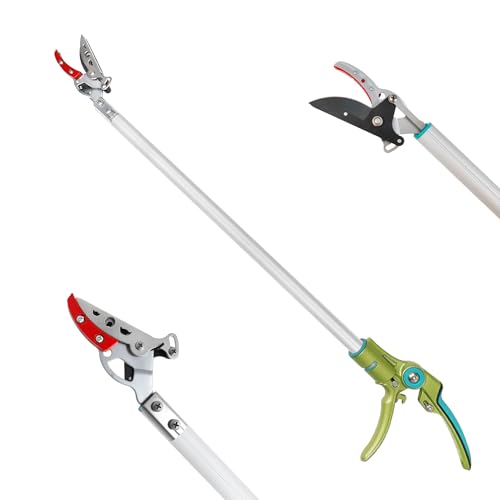
[REACH HIGH & STAY SAFE](No Ladder Required) Say goodbye to wobbly ladders! This 32inch long reach pole pruner offers an extra 30 inches of safe reach, allowing you to prune high branches or tall fruit trees while standing firmly on the ground. It’s the perfect extension tool for maintaining your backyard without the risk of falling.

SUPER LIGHTWEIGHT CUT AND HOLD PRUNERS SET: Our Long Reach Pruner weighs 0.79lbs, appropriate length 32 inch is suitable for relaxed cutting. When you deal with twiggy young tree branches, leaves, fruit spur or fence, one hand is enough. There has a minor hand pruner in this set can solve your lower pruning, a bonus garden glove can protect your hand.

1:EXTENDABLE REACH FOR LADDER-FREE SAFETY – Acting as both a reliable tree pruner and a fruit picker pole, this tool effortlessly extends from 3.28 to 5.25 FT to reach high branches up to 10 FT from the ground. The innovative rotating and locking head allows for precise angles without unstable ladders or risky stretching, ensuring maximum safety.
Improved Tree Health
Pruning during the fall can help remove dead or diseased branches. By eliminating these branches, you reduce the risk of pests and diseases harboring on the tree. This proactive approach encourages stronger new growth in the spring. Plus, fall pruning allows trees to focus their energy on developing healthy buds, leading to better overall vitality.
Enhanced Fruit Production
Pruning in the fall can positively affect fruit production. By removing excess branches, you improve sunlight penetration and airflow within the tree’s canopy. Improved light exposure fosters better flower and fruit development. Additionally, strategic fall pruning encourages the production of larger, healthier fruit in the following season.
Risks Of Pruning In Fall
Pruning fruit trees in fall presents several risks that you should consider before taking action.
Weather Conditions
Weather conditions during fall can be unpredictable. Early frosts may occur after you prune, potentially causing damage to fresh cuts. Cold temperatures may delay the healing process of pruning wounds, increasing vulnerability to diseases. Rain and moisture can promote fungal infections on freshly pruned branches. Aim to prune when the forecast is stable, allowing time for trees to heal before winter sets in.
Tree Vulnerability
Fruit trees become more vulnerable to stress when pruned in fall. Pruning encourages new growth, which can be problematic as trees enter dormancy. New shoots may not survive the winter. Moreover, fall pruning removes protective foliage, exposing branches to harsher winter elements. This predicament can weaken the tree and make it susceptible to pests that target stressed plants.
Understanding these risks can help you make informed decisions about timing and techniques for pruning fruit trees.
Best Practices For Fall Pruning
Fall pruning requires attention to detail and the right tools to promote healthy growth while minimizing risks. Follow these best practices for effective pruning.
Recommended Products

Versatile Cutting Applications: Suitable for precision pruning of branches, tall hedges, and dense bushes, as well as delicate tasks like pruning flowers and harvesting fruit

★ 1. What you get: Professional convenient grafting tool set including a dual-use grafting pruner tool contain 2 extra replaceable blades, a wrench and a screwdriver, along with 36pcs wide rubber bands, 150 thick rubber bands and 1 grafting tape, packed in a black wallet to meet all your needs

【Durable Stainless Steel Blades】 Crafted with rust-resistant stainless steel, the dual blades (curved & straight) stay sharp for precise grafting, bark lifting, and pruning. Includes a bark lifter for effortless plant care.
Tools And Techniques
You need the right tools for successful pruning. Here’s a list of essential tools:
- Pruning Shears: Ideal for small branches and precise cuts.
- Loppers: Suitable for medium-sized branches, providing more leverage.
- Pruning Saws: Necessary for thicker branches, ensuring clean cuts.
Use sharp tools to make clean cuts that heal quickly. Start by removing dead or diseased wood, focusing on areas where airflow is poor. Make angled cuts to promote drainage and reduce moisture buildup, preventing rot. Avoid removing more than a quarter of the tree’s canopy in one season to minimize stress.
Timing And Frequency
Timing significantly impacts the effectiveness of fall pruning. Aim for early fall, around late September to early October, before the first frost. Trees begin preparing for dormancy, and light pruning can stimulate robust spring growth.
Prune fruit trees every year, focusing on maintenance. Light pruning ensures a balanced shape and removes potential hazards. Avoid heavy pruning in fall, especially for stone fruits like peaches and cherries; save that for winter or early spring when trees are fully dormant. Regular maintenance in fall keeps your trees healthy without risking winter damage, ensuring better growth in spring.
Conclusion
Pruning your fruit trees in the fall can be a bit of a balancing act. While it offers some benefits like improving tree health and encouraging better fruit production, it’s essential to weigh those against the risks of unpredictable weather and potential stress on the trees.
If you choose to prune in the fall, stick to light pruning and focus on removing dead or diseased branches. Remember to use the right tools and techniques to ensure clean cuts that heal quickly. By being mindful of timing and the specific needs of your trees, you can set the stage for a vibrant and fruitful growing season ahead. Happy gardening!
Frequently Asked Questions
Is it safe to prune fruit trees in the fall?
Pruning fruit trees in the fall can be risky. While light pruning of apple trees is acceptable, peach and cherry trees should be pruned in winter or early spring. Fall pruning may encourage new growth that won’t survive winter and expose trees to harsh conditions.
What are the benefits of fall pruning?
Fall pruning can improve tree health by removing dead or diseased branches, reducing pest risks, and promoting stronger growth in spring. It also enhances airflow and sunlight penetration, contributing to better flower and fruit development for the upcoming season.
What tools are needed for pruning fruit trees?
Essential tools for pruning fruit trees include pruning shears for small branches, loppers for thicker limbs, and pruning saws for larger cuts. Using sharp tools ensures clean cuts that heal quickly, promoting tree health.
What techniques should I use when pruning?
When pruning, start by removing dead or diseased wood. Make angled cuts to encourage drainage and healing, and avoid over-pruning to minimize stress on the tree. Light annual pruning helps maintain tree health effectively.
When is the best time to prune fruit trees?
The optimal time to prune fruit trees is during their dormant season in late winter. However, for light pruning of apple trees, early fall (late September to early October) can also be acceptable, ensuring minimal risk of winter damage.
