

Have you ever wondered how often banana trees bear fruit? If you’re a gardening enthusiast or just curious about these tropical wonders, knowing their fruiting cycle can help you plan and maximize your harvest.
Key Takeaways
- Banana trees typically produce fruit once a year, yielding one large bunch within a 12-month cycle.
- Flowering occurs 9 to 12 months after planting, followed by a 2 to 4 month maturation period for the fruit.
- Ideal growing conditions include warm temperatures (75°F to 95°F), consistent moisture, rich soil, and ample sunlight (6 to 8 hours daily).
- Factors like soil quality and variety can impact the frequency and yield of banana production significantly.
- On average, each tree can produce between 50 to 150 bananas, depending on growing conditions.
- Implementing proper harvesting techniques is crucial for maximizing yield and maintaining fruit quality.
Overview of Banana Trees
Banana trees, known scientifically as Musa, are herbaceous plants that thrive in tropical and subtropical climates. They grow from a corm, which acts like a bulb. Young banana plants emerge from this structure, producing lush, large leaves.
Recommended Products

Let our professionally formulated plant food help your fruit tree grow healthy, strong AND abundantly producing
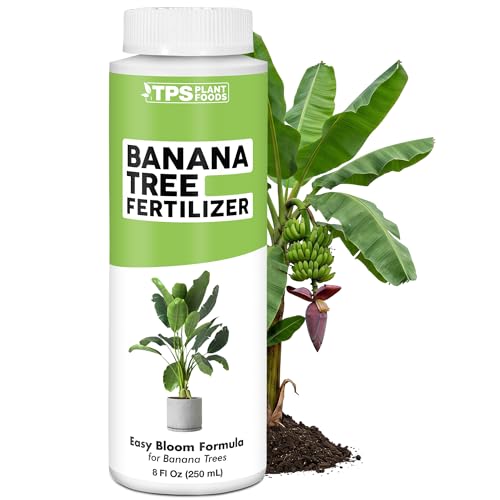
Made for Banana Trees – Specially formulated banana fertilizer designed to support the nutrient needs of banana plants.
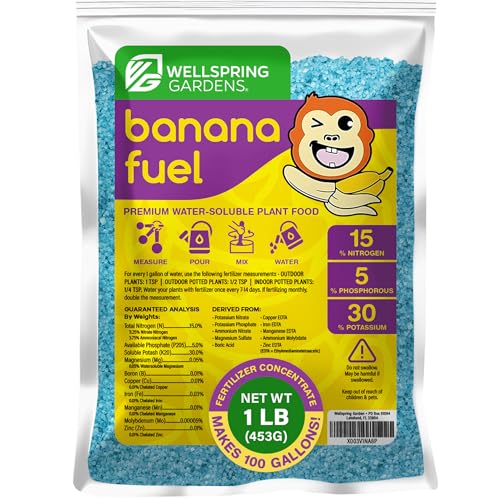
PREMIUM WATER SOLUBLE FERTILIZER: Wellspring Gardens Banana Fuel Fertilizer provides a water-soluble and high-quality nutrient blend with minor elements to promote optimal growth for your banana plants. Its premium 15-5-30 blend ensures that your banana plants are healthy and happy.
Growth Cycle
Banana trees follow a distinct growth cycle. After planting, you’ll typically see flowering within 9 to 12 months. Each tree usually produces one large flower cluster known as a bunch. The banana bunch contains multiple hands, each holding individual bananas.
Fruiting Frequency
Most banana trees produce fruit once a year. After harvesting, the tree dies back, but new shoots emerge from the corm, allowing for continuous production every year. This cycle can make your garden productive for years.
Environment Impact
For optimal fruit production, banana trees require warm temperatures and plenty of moisture. Consistent artful watering, rich soil, and full sunlight enhance the yield.
Varieties
Some common banana tree varieties include:
- Cavendish: The most widely known variety, often found in grocery stores.
- Apple Banana: Known for its sweet flavor and slightly tangy taste.
- Red Banana: Characterized by its reddish-purple skin and creamy texture.
Understanding the characteristics and needs of banana trees aids in maximizing your harvest and enjoying fresh bananas right from your garden.
Life Cycle of Banana Trees
Banana trees follow a unique life cycle that includes distinct growth stages and a specific flowering process. Understanding this cycle helps you manage your banana plants effectively.
Growth Stages
- Planting: Start with a healthy corm or sucker. Place it in rich, well-draining soil.
- Vegetative Growth: After planting, expect rapid leaf growth. The tree develops a tall pseudostem with lush green leaves, typically 4 to 6 months post-planting.
- Maturation: After about 9 to 12 months, the banana tree reaches maturity. At this stage, it has a robust structure that can support the fruiting process.
- Fruiting: During the growing season, the tree develops a flower bud in the center, signaling the start of fruit production. You’ll notice small bananas forming shortly after the flowers emerge.
- Harvesting: Once the bananas mature, typically 2 to 4 months after flowering, it’s time to harvest. Each plant produces one bunch of bananas.
- Initiation: Flowering occurs when the banana tree is mature, usually 9 to 12 months after planting. You’ll see a large flower spike emerging from the center.
- Development: The flower cluster, known as the inflorescence, opens to reveal fragrant flowers. This process attracts pollinators, although most cultivated bananas don’t require pollination.
- Fruit Set: After pollination, the flowers develop into small bananas. This transition usually takes about 6 to 8 weeks.
- Fruit Maturation: The bananas grow and mature for an additional 2 to 4 months before you can harvest them. The entire flowering and fruiting process generally spans around 5 to 9 months.
These stages illustrate the steady progression from planting to harvest, helping you plan for your banana tree’s production effectively.
How Many Times Do Banana Trees Produce Fruit?
Banana trees typically produce fruit once a year. Understanding their flowering and fruiting cycle is essential for planning your harvest effectively.
Recommended Products

2X MORE VALUE: The 16 oz bottle of Banana Plant Fertilizer makes 16 gallons of banana fertilizer for fruit trees, while the bigger size 32 oz bottle makes 32 gallons for lasting care of your banana trees.

Let our professionally formulated plant food help your fruit tree grow healthy, strong AND abundantly producing

PREMIUM FUEL LIQUID FERTILIZER: Wellspring Gardens Banana Fuel Liquid Fertilizer Concentrate provides a quality nutrient blend with minor elements that could grow your plants. Its 3-1-6 formula ratio is the ideal fertilizer ration according to University of Florida which is what our product is made of.
Frequency of Fruit Production
Most banana trees yield one bunch of bananas annually. After this harvest, the tree dies back, but new shoots form from the corm. This ensures continuous production as these new shoots mature. If you plant multiple suckers or corms, you can stagger harvests over the years, allowing for a more consistent supply of fresh bananas.
Factors Affecting Production
Several factors affect how often banana trees produce fruit:
- Temperature: Banana trees thrive in temperatures between 75°F and 95°F (24°C to 35°C). Extreme cold or heat can slow growth and reduce fruiting.
- Moisture: Consistent watering is crucial. Aim for around 2 inches of water weekly. Insufficient moisture can lead to smaller fruit or fewer blooms.
- Soil Quality: Rich, well-draining soil promotes healthy growth. Adding organic matter, like compost, can enhance fruit production.
- Sunlight: Full sunlight supports optimal growth. Ensure your banana trees receive at least 6 to 8 hours of direct sunlight daily.
- Variety: Different banana varieties produce at varying rates. Planting a mix, such as Cavendish and Apple Banana, can provide diverse fruit throughout the year.
By optimizing these factors, you can boost your banana tree’s ability to produce fruit and enjoy a bountiful harvest.
Harvesting and Yield
Banana trees produce fruit annually, making understanding the harvesting process and yield essential for successful cultivation.
Recommended Products

Billhook Sickle Machete - 14 inch Short Machete for Cutting Trees and Yard Work Sickle, Steel Sickle Billhook Machete Billhook Knife Machete for Clearing Brush Axe Sickle Grass Short Machete Weeding Sickle Cold Cteel Machete Sickle Knife Garden Tool - Small Hand Sickle for Grass

High quality 12-inch blade machete knife. Our survival knife is made of black coated 440C stainless steel which provides super sharp cutting performance and high durability, while the saw handle of machette is covered with the rubber for comfortable and continuous usage. The multifunctional sheath is made of heavy duty nylon cordura fabric.

K104-O Harvest Utility Knife with 3-Inch Stainless Steel Blade is designed for slicing produce or cutting vegetable stems.
Best Practices for Harvesting
Harvesting bananas requires timing and technique. Follow these best practices:
- Monitor Ripeness: Check for a yellowing of the fruit. Harvest bananas when they are about 75% ripe, as they continue to ripen once picked.
- Use Proper Tools: Use a sharp knife or machete to cut the stalk cleanly. This minimizes damage to the tree.
- Handle Gently: Avoid bruising the fruit. Carefully lower the bunch to the ground to prevent injury.
- Harvest in Dry Weather: Dry conditions reduce the risk of disease. Harvesting during mornings or late afternoons helps avoid sunburned fruit.
Expected Yield per Tree
The yield of banana trees varies based on several factors. On average, each tree produces one large bunch containing 50 to 150 bananas. Here’s a breakdown of potential yields:
| Variables | Estimated Yield |
|---|---|
| Optimal Conditions | 120 to 150 bananas per tree |
| Average Conditions | 50 to 100 bananas per tree |
| Poor Conditions | 30 to 50 bananas per tree |
Factors influencing yield include the tree’s age, soil quality, and care practices. Proper management can significantly enhance productivity.
Conclusion
Understanding how often banana trees produce fruit can really help you make the most of your gardening efforts. With the right conditions and care you can enjoy a bountiful harvest each year.
Remember that while each tree typically yields one bunch annually you can plant multiple suckers to ensure a steady supply of delicious bananas. So whether you’re a seasoned gardener or just starting out you’re now equipped to grow your own banana trees and enjoy their fruitful rewards. Happy gardening!
Frequently Asked Questions
How long does it take for a banana tree to produce fruit?
Banana trees typically take 9 to 12 months to produce fruit after planting. During this period, the tree undergoes stages of vegetative growth and maturity before flowering occurs.
How often do banana trees bear fruit?
Most banana trees bear fruit once a year, producing one large bunch of bananas during their fruiting cycle.
What conditions are best for growing banana trees?
Optimal conditions for banana trees include temperatures between 75°F and 95°F, consistent watering, rich, well-draining soil, and plenty of sunlight to enhance fruit production.
How can I increase banana yield from my trees?
To increase yield, ensure optimal growing conditions, provide regular care, and consider planting multiple suckers or corms to stagger harvests throughout the year.
What factors affect banana production?
Factors affecting banana production include temperature, moisture, soil quality, sunlight, and the specific variety of banana tree being grown.
How many bananas does a banana tree produce?
A banana tree can produce one bunch containing between 50 to 150 bananas, depending on environmental conditions and care practices. Optimal conditions yield around 120 to 150 bananas.
What is the best way to harvest bananas?
To harvest bananas, monitor their ripeness, use proper tools, handle the fruit gently, and harvest during dry weather to minimize the risk of disease.
